We may earn a commission when you buy through links on this page, at no extra cost to you. How this works.
If you keep backyard chickens, you know that coop cleaning can feel like a never-ending chore. The deep litter method offers a different approach - one that can reduce how often you muck out bedding while turning waste into compost right inside the coop.
At its core, the deep litter method is a managed bedding system. Instead of removing soiled material every week, you layer fresh bedding on top and let the lower layers break down over time. Microbes, earthworms, and the scratching activity of your flock work together to decompose droppings and transform the bedding into a carbon-rich compost.
This method has real advantages: less frequent cleanouts, natural heat generation in cold weather, and finished compost you can use in your garden. But it also comes with constraints. It requires deliberate management, adequate ventilation, and attention to moisture levels. Done poorly, it can create ammonia buildup, attract pests, or lead to respiratory issues in your birds.
In this guide, we'll walk through how the deep litter method works, the benefits it can deliver, the challenges you need to plan for, and whether it's a good fit for your coop and flock. Understanding both the pros and cons will help you decide if this system aligns with your time, climate, and chicken-keeping goals.
What Is the Deep Litter Method?
The deep litter method is a bedding management system where you build up layers of carbon-rich material - such as straw, wood shavings, or hemp bedding - over time instead of removing soiled bedding every week. Fresh bedding is added regularly on top, and the layers underneath begin to compost in place as microbes break down chicken manure and organic matter.
This approach differs from traditional coop cleaning, where all bedding is removed and replaced frequently. With deep litter, you maintain an active composting bed inside the coop. You add a new layer of dry material whenever the surface becomes compacted or soiled, and occasionally turn or fluff the bedding to aerate it and encourage microbial activity.
The process relies on a balance between carbon (bedding) and nitrogen (manure). As the bedding decomposes, beneficial microbes generate heat and help control odor and pathogens. The result is a thick, layered floor that can stay in place for several months before a full cleanout.
Success with the deep litter method depends on two critical conditions: the coop must remain dry, and it must have adequate ventilation. Moisture from rain, leaking waterers, or poor airflow will cause the bedding to become wet and anaerobic, leading to ammonia buildup, mold, and unpleasant odors. A dry, well-ventilated coop allows aerobic decomposition to proceed safely and keeps the flock comfortable.
How the Deep Litter Method Works
The deep litter method relies on a layered approach that builds up over months, transforming a coop floor into a living composting system. Understanding the practical steps and maintenance rhythm helps you decide whether this method fits your coop setup and schedule.
Start with a clean, dry coop floor. Remove all old bedding, droppings, and debris, then confirm the floor and walls are dry and free of moisture issues. If the floor is dirt or concrete, ensure it drains well and has no standing water problems. This clean foundation prevents odor and pest issues as the litter builds.
Add a base layer of 3 to 4 inches of dry bedding material. Pine shavings, chopped straw, and hemp bedding are common choices because they absorb moisture, allow airflow, and break down steadily. Spread the material evenly across the floor, covering high-traffic areas under roosts and around feeders where droppings concentrate.
As the surface becomes soiled, add a fresh layer of bedding on top rather than removing the old material. Depending on flock size and coop conditions, this might mean adding a half-inch to an inch of new bedding every week or two. The goal is to keep the top surface dry and to bury wet or heavily soiled spots under fresh material.
Turn and aerate the bedding at least once a week using a rake, pitchfork, or garden fork. Mix the top layer with the deeper material to distribute moisture, incorporate droppings, and introduce oxygen. This turning encourages beneficial bacteria to break down organic matter and prevents compaction, which can trap moisture and create ammonia buildup.
Monitor moisture levels and smell closely. The bedding should feel dry to the touch on the surface and slightly damp - not wet - deeper down. A healthy deep litter system has an earthy, composting smell. If you detect sharp ammonia odor, see visible moisture, or notice the bedding clumping into wet mats, add more dry bedding immediately and increase ventilation. Ammonia indicates insufficient aeration or too much moisture, both of which can harm respiratory health.
Ventilation plays a critical role. Even with regular turning, the composting process produces heat, moisture, and gases. Ensure your coop has adequate roof or wall vents to allow humid air to escape and fresh air to circulate. Poor ventilation will undermine the method, causing odor and dampness no matter how often you turn the litter.
Plan to remove and replace the entire deep litter once or twice a year, typically in spring and fall. By this point, the bedding will have composted into dark, crumbly material several inches deep. Shovel it out, compost it further if needed, or apply it directly to garden beds. Clean the coop floor, inspect for damage or pests, and restart with a fresh base layer.
The balance between adding material, turning regularly, and maintaining airflow determines whether the method works smoothly or creates problems. Too little turning leads to compaction and ammonia; too little fresh bedding leaves the surface wet; and poor ventilation traps moisture regardless of management. When these elements align, the deep litter method reduces daily chores and produces useful compost with minimal effort.
Pros of the Deep Litter Method
The deep litter method offers several practical advantages that make it appealing for backyard chicken keepers looking to reduce maintenance time while supporting their flock's natural behaviors.
One of the most immediate benefits is fewer full cleanouts. Instead of stripping and replacing all bedding every few weeks, you add fresh layers on top and turn the material periodically. Many keepers find they can go months between complete bedding changes, depending on coop size and flock density.
Natural composting happens right inside the coop. As chickens scratch and microbes break down the organic matter, the bedding gradually turns into rich, dark compost. This material can be added directly to garden beds or compost piles, turning waste into a valuable soil amendment without extra effort.
The method provides added insulation during cold months. A thick, actively composting litter layer generates modest heat as microorganisms work, and the depth itself acts as a buffer against cold floors. This can help keep the coop more comfortable without additional heat sources.
It encourages natural scratching behavior. Chickens instinctively forage and dig, and a deep bedding pack gives them an enriching environment to express these behaviors. The activity keeps birds occupied and supports their physical and mental well-being.
Finally, deep litter reduces bedding waste by composting material in place rather than hauling it away. You use bedding more efficiently, and the volume decreases as decomposition progresses, meaning less material to manage overall.
Cons and Challenges of the Deep Litter Method
While the deep litter method offers composting benefits and easier winter management, it introduces several challenges that make it unsuitable for many backyard coops. Understanding these drawbacks helps you evaluate whether your setup can support this approach safely.
Ventilation is non-negotiable. The decomposition process generates ammonia, moisture, and heat. Without continuous airflow near the ceiling and fresh air intake near the floor, ammonia concentrations can climb quickly, irritating your birds' respiratory systems and eyes. Coops with single windows or minimal vents struggle to keep air fresh enough for deep litter to work safely.
Damp climates create compounding problems. High humidity slows evaporation and keeps bedding wet longer. Wet litter stops composting and starts rotting, producing strong odors and creating an environment where harmful bacteria and mold thrive. If your region sees frequent rain, fog, or coastal moisture, the method demands constant vigilance and often fails despite your best efforts.
Moisture management becomes a daily concern. Spilled water, droppings under roosts, and tracked-in mud all add moisture faster than the system can handle. You'll need to turn the litter every few days, add dry material to wet spots immediately, and monitor for clumping or sour smells. This is more involved than simply scooping droppings and replacing a thin layer of bedding weekly.
Upfront bedding costs are higher. Starting with six to twelve inches of material requires significantly more pine shavings, straw, or other carbon-rich bedding than traditional methods. While you replace it less often, the initial investment and storage space can be prohibitive for small-scale keepers.
Monitoring never stops. Unlike a weekly cleanout schedule, deep litter demands you stay aware of odor changes, bedding texture, and flock behavior. Miss a few days of turning during a rainy stretch, and you may face an ammonia spike or a sudden explosion of flies and pests.
It's not a fit-and-forget system. Some keepers assume deep litter means less work, but in practice it shifts the work from heavy cleanouts to frequent, smaller interventions. If your schedule or coop design doesn't support regular turning and airflow checks, a simpler spot-cleaning routine - removing droppings and wet spots daily or every few days and refreshing bedding weekly - may prove more reliable and healthier for your flock.
Who Should Use the Deep Litter Method (and Who Shouldn't)
The deep litter method isn't a one-size-fits-all solution. Whether it works well for you depends on your climate, coop design, and how much time you can commit to active management.
This method works best when you have:
- A dry climate or consistently low humidity - moisture buildup is the biggest enemy of deep litter
- A well-ventilated coop with multiple air vents positioned to create cross-flow without drafts
- Enough vertical space to allow bedding to build 8 to 12 inches deep without crowding your birds
- Time to turn and monitor the bedding at least once a week, looking for wet spots, clumps, or ammonia smell
- A willingness to troubleshoot - you'll need to add carbon-rich material when things get too moist or smell off
Keepers in arid or temperate regions with spacious, airy coops often find the method reduces labor once the system stabilizes. If you enjoy observing your flock and don't mind a hands-on approach to bedding management, deep litter can fit naturally into your routine.
This method is usually a poor fit if:
- You live in a high-humidity region - coastal areas, tropical zones, or anywhere moisture lingers make it difficult to keep bedding dry enough
- Your coop has limited airflow, small windows, or low ceilings that trap moisture and ammonia
- You have a compact coop with minimal floor space - deep litter requires room to build up without reducing usable area
- You prefer a predictable, low-monitoring routine - deep litter demands regular checks and occasional corrective action
- You're managing a quarantine or medical situation where complete cleanouts offer more control
If your setup doesn't align with these conditions, a weekly or biweekly cleanout schedule may give you more predictable results with less risk of moisture or odor problems. There's no shame in choosing the simpler path - good flock health comes from matching your management style to your environment, not from forcing a trendy technique into the wrong situation.
Common Mistakes to Avoid
Even with a solid understanding of the deep litter method, several common mistakes can turn a promising system into a source of problems for your flock. Recognizing these errors early helps you adjust your approach before health or odor issues develop.
One frequent mistake is starting the deep litter method in a poorly ventilated coop. Without adequate air exchange, moisture accumulates faster than the bedding can absorb it, and ammonia fumes build up at ground level where chickens breathe. Before beginning deep litter, confirm that your coop has adjustable vents near the roof and sufficient airflow year-round. If ventilation is marginal, upgrade it first or choose a different bedding management strategy.
Another error is failing to turn the bedding regularly. Many keepers add fresh layers on top but never disturb the material beneath, leading to compacted, anaerobic zones that smell sour and don't compost. Aim to turn or stir the litter with a rake or pitchfork at least weekly, especially in high-traffic areas under roosts and around feeders. This introduces oxygen, speeds decomposition, and prevents wet pockets from forming.
Adding too little fresh material is also problematic. A thin sprinkle of new bedding doesn't provide enough carbon to balance the nitrogen in fresh droppings, and the litter becomes saturated quickly. When you notice the top layer looking damp or matted, add a generous coating - two to four inches of dry material - to restore absorbency and keep the composting process active.
Ignoring early warning signs like moisture or ammonia smell is a mistake that can escalate rapidly. If you detect a sharp ammonia odor when you open the coop door in the morning, or if bedding feels wet or clumps when squeezed, the system is out of balance. Address it immediately by removing wet sections, adding several inches of dry bedding, and improving ventilation. Waiting only worsens air quality and increases the risk of respiratory irritation.
Using deep litter in damp climates without adjustments is another common pitfall. In regions with high humidity or frequent rain, standard deep litter practices may not provide enough drying capacity. If you live in a wet climate, increase the frequency of fresh bedding additions, ensure covered outdoor runs to reduce tracked-in moisture, and consider partial cleanouts more often than once or twice a year. Some keepers in these areas find a hybrid approach - deeper bedding in dry months, more frequent removal in wet seasons - works better than strict year-round deep litter.
Finally, expecting zero maintenance is unrealistic. The deep litter method reduces the frequency of full cleanouts, but it still requires regular attention. Weekly turning, monthly top-ups, and vigilant monitoring of moisture and odor are essential. Treating it as a set-and-forget system leads to compacted, foul-smelling bedding and unhealthy conditions. Plan for routine care, and the method will deliver its benefits reliably.
Final Takeaway: Is the Deep Litter Method Right for You?
The deep litter method can be a smart choice for chicken keepers, but it's not a one-size-fits-all solution. Success depends on your climate, coop design, and how much hands-on management you're willing to do.
This method works best in dry, well-ventilated coops where moisture can escape naturally. If you're willing to turn the bedding weekly, monitor moisture levels, and watch for signs of ammonia buildup, deep litter can reduce cleanout frequency and produce valuable compost over time. It insulates the coop floor in winter and gives your chickens something to scratch through, which supports their natural behaviors.
On the other hand, deep litter is not a good fit for humid climates, poorly ventilated coops, or situations where daily observation isn't practical. If your coop tends to trap moisture or you prefer a simpler routine with more frequent, lighter cleanouts, traditional bedding management may serve you better. The method also requires more upfront bedding material and a longer commitment to see the composting benefits.
Before you commit, take an honest look at your setup. Check your ventilation, consider your local weather patterns, and think about how much time you can dedicate to turning bedding and monitoring conditions. If your coop stays dry and you enjoy a more active management style, deep litter can reduce waste hauling and give you finished compost. If any of those factors don't align, sticking with a traditional approach will likely be less frustrating and just as effective for keeping your flock healthy.
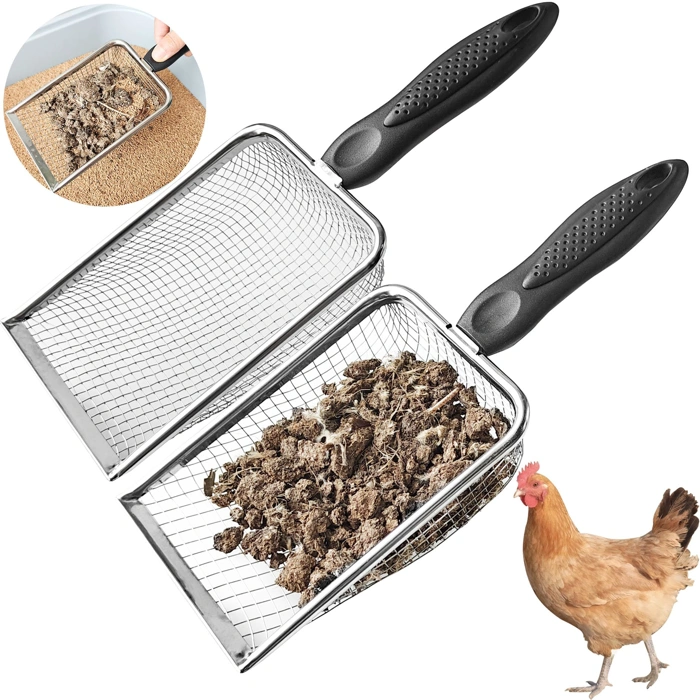
2 Pack Metal Chicken Coop Poop Scooper and Rake Tool with 3.8mm & 5mm Mesh
The 2 Pack Metal Chicken Coop Poop Scooper and Rake Tool offers a practical solution for turning and aerating bedding in deep litter systems. This set includes two metal tools with different mesh sizes - 3.8mm and 5mm - giving you flexibility to sift through bedding layers and remove droppings while leaving clean material behind.
The dual mesh options let you choose the right tool for different bedding depths and materials. The finer 3.8mm mesh works well for catching smaller debris and works effectively with shavings or sawdust, while the 5mm option moves through thicker or compressed litter more easily. Both tools are made from metal, which holds up better to regular use and moisture exposure than plastic alternatives.
At $9.99 for both tools, this set makes routine maintenance more manageable without a significant investment. Having two scoops on hand is convenient for larger coops or when multiple people help with chore rotation. The metal construction handles the weight of damp bedding and resists bending during turning and sifting tasks.
The rake and scooper design supports the weekly turning recommended for deep litter management, helping you mix fresh droppings into lower layers and expose compacted spots that need attention. This regular aeration is central to keeping the composting process active and odors under control.
With a 4.4 out of 5 rating, users have found these tools reliable for ongoing bedding work. The set provides a straightforward, affordable way to maintain your deep litter system without heavy or complicated equipment.
Check price and availability if you need a reliable tool for turning bedding.
- ✅ Includes two tools with 3.8mm and 5mm mesh options
- ✅ Metal construction for durability and moisture resistance
- ✅ Affordable at $9.99 for the pair
- ✅ Dual mesh sizes suit different bedding types and depths
- ✅ Supports routine turning and aeration in deep litter systems
- ⚠️ No handle length or dimensions provided
- ⚠️ Brand information not specified
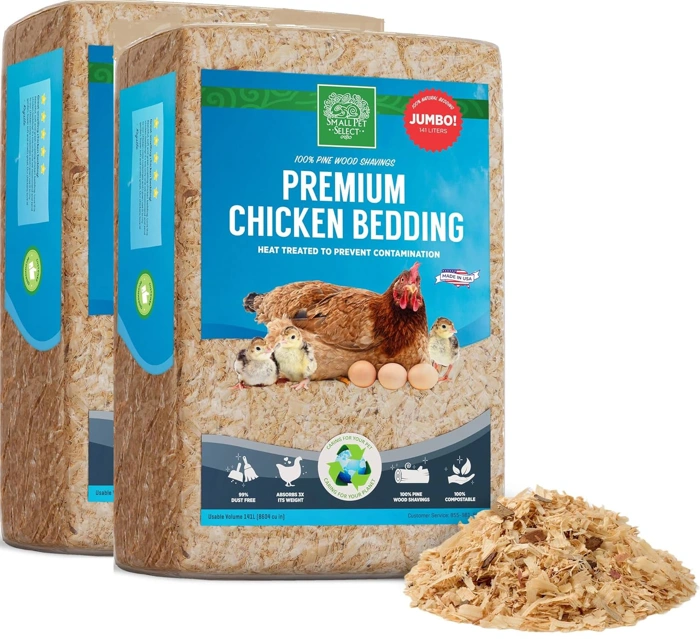
Small Pet Select Pine Shavings Chicken Bedding, 2 Pack (282L Total)
Small Pet Select Pine Shavings arrives as a two-pack totaling 282 liters, offering enough volume to start and maintain a deep litter system in a medium-to-large coop without frequent restocking trips. The shavings are kiln-dried to reduce moisture and dust, which helps maintain the dry, aerated base layer the deep litter method depends on.
Pine's natural absorbency pulls moisture away from droppings, allowing the carbon-rich material to balance nitrogen waste as the bedding composts in place. The shavings break down gradually, so you can layer fresh material on top every few weeks and let microbial activity handle decomposition underneath. When you do a full cleanout, the finished compost can go straight into garden beds after a short cure.
The upfront cost is higher than a single compressed bale from a farm-supply store, but 282 liters lasts several months in most backyard setups, especially if you're only adding thin maintenance layers. The 4.6 out of 5 rating reflects consistent quality and low dust, and stock availability has been stable. If your coop has good airflow and you prefer bedding that composts predictably, this volume makes sense.
Check price and availability if pine shavings fit your bedding preference.
- ✅ 282-liter volume supports multiple months of deep litter layering
- ✅ Kiln-dried for lower moisture and reduced dust
- ✅ Composts in place and transitions easily to garden use
- ✅ 4.6/5 rating with stable stock availability
- ⚠️ Higher upfront cost compared to single compressed bales
- ⚠️ Requires dry storage space for the two-pack volume
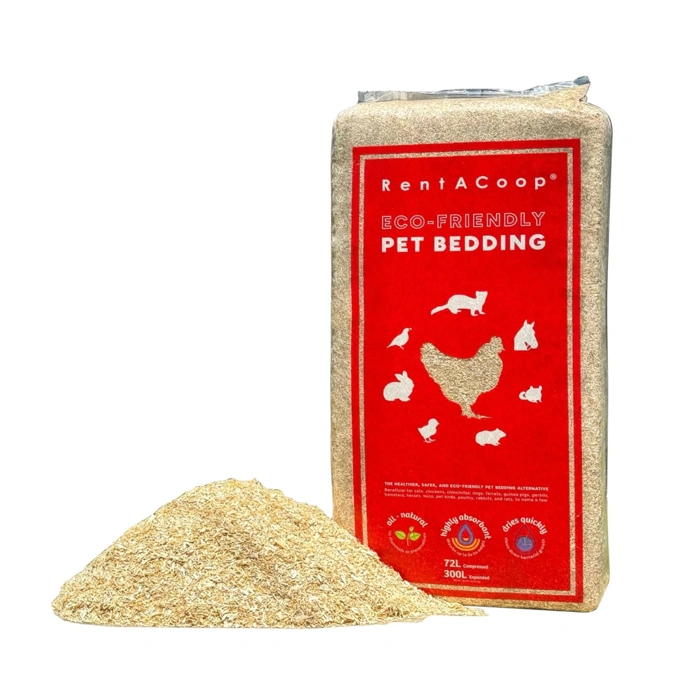
RentACoop Extra-Soft Premium Hemp Bedding 300L – Super Absorbent, Low Dust, Natural Odor Control for Chicken Coops, Nest Boxes, Small Animals, Reptiles & Horses
RentACoop Hemp Bedding offers a premium alternative to traditional pine shavings for deep litter systems. This 300L compressed bale expands to provide generous coverage for chicken coops, with hemp fiber delivering superior absorbency that can help manage moisture in humid climates or high-traffic coops where odor control matters most.
Hemp bedding produces notably less dust than many wood shavings, which improves air quality inside the coop - a benefit for both chickens and anyone working inside the space. The natural fiber structure absorbs moisture effectively and helps suppress ammonia odors as the deep litter layer matures, making it well-suited for keepers who extend time between cleanouts.
The extra-soft texture works well in nest boxes and as a base layer for deep litter, though the material does break down more slowly than pine shavings. This slower decomposition can be an advantage if you want a longer-lasting litter pack, but it may also mean the composting process takes additional time once you remove spent bedding.
At $72.95, hemp bedding costs significantly more per bale than pine shavings. For flocks in dry climates or coops with excellent ventilation, pine shavings may meet absorbency needs at a lower price point. Hemp becomes more attractive when moisture, dust, or odor issues make absorbency and air quality higher priorities than upfront cost.
The product holds a 4.5/5 rating and is currently in stock. If your deep litter system struggles with dampness or odor despite regular turning, or if dust is a concern in your coop environment, the added absorbency and low-dust profile may justify the premium. Check price and availability if you need extra absorbency and odor control.
- ✅ Superior absorbency helps manage moisture in humid or high-traffic coops
- ✅ Low dust improves air quality for chickens and keepers
- ✅ Natural odor control as litter layer matures
- ✅ Extra-soft texture suitable for nest boxes and base layers
- ✅ Slower decomposition extends litter pack lifespan
- ⚠️ Significantly higher cost at $72.95 compared to pine shavings
- ⚠️ Slower composting process after removal from coop
- ⚠️ May be unnecessary in dry climates with good ventilation
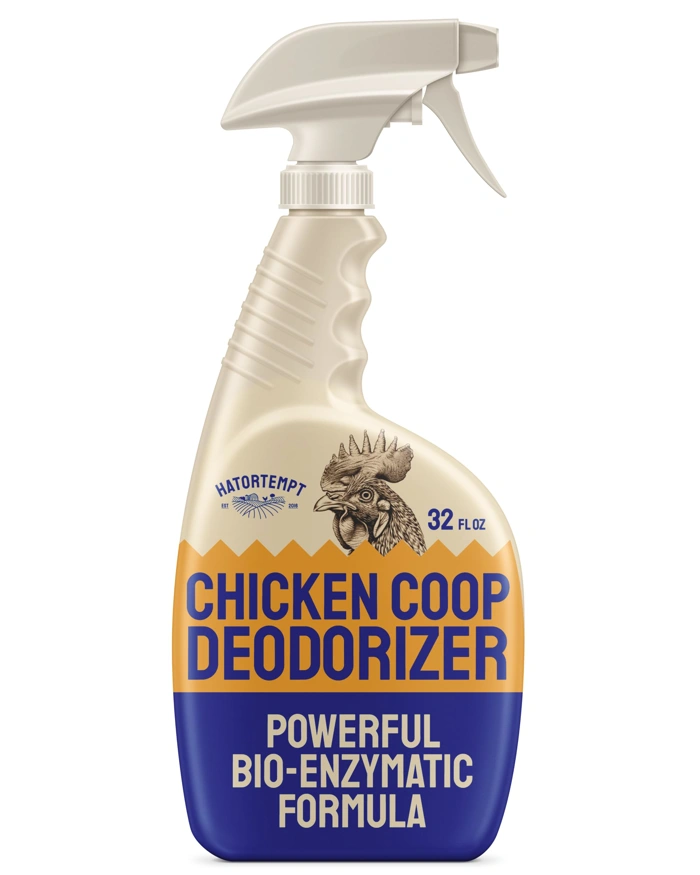
Hatortempt Chicken Coop Deodorizer & Cleaner Spray, 32 Oz Unscented, Ammonia Control
When moisture builds up faster than your deep litter system can handle, ammonia odor can become a problem - especially in humid climates or coops with limited airflow. The Hatortempt Chicken Coop Deodorizer & Cleaner Spray offers a 32-ounce unscented formula designed for ammonia control and spot treatment.
This spray is not a substitute for proper ventilation or litter management, but it can serve as a supplemental tool when you notice wet patches, concentrated odor around feeders or waterers, or damp mornings after a humid night. The unscented formulation means it won't add perfume or mask smells with fragrance - it targets ammonia directly.
At $23.99 for 32 ounces, it sits in the moderate price range and carries a 4.7 out of 5 rating. It's most useful for keepers who run deep litter in challenging conditions: poor natural ventilation, high stocking density, or regions with extended rainy seasons. If your coop stays dry and your litter turns regularly, you may not need a spray at all.
Use it as a spot treatment rather than a weekly drench. Spray problem areas lightly, then stir the litter to encourage drying and microbial activity. Pair it with adequate bedding depth, regular turning, and consistent airflow for best results.
Check price and availability if you want a backup odor control option.
- ✅ Unscented formula targets ammonia without added fragrance
- ✅ 32-ounce size suitable for spot treatment over multiple applications
- ✅ Helpful supplement in humid climates or coops with marginal ventilation
- ⚠️ Does not replace proper ventilation or litter management practices
- ⚠️ Moderate price at $23.99 may add up if used frequently
- ⚠️ Effectiveness depends on maintaining adequate bedding depth and airflow
What You Need to Start the Deep Litter Method
- Dry, well-ventilated coop with solid floor
- Carbon-rich bedding material (pine shavings, hemp, straw)
- Rake or turning tool to aerate bedding weekly
- Moisture and odor monitoring routine
- Plan for seasonal full cleanout and compost use