We may earn a commission when you buy through links on this page, at no extra cost to you. How this works.
This guide is for anyone raising a small backyard flock who's tired of refilling bowls twice a day or dealing with muddy, bedding-filled water. Traditional waterers tip over, collect debris, and run dry faster than you'd think - especially in summer.
Automatic systems attach to a bucket or gravity tank and deliver fresh water whenever your birds need it. They cut down on daily coop visits, keep bedding drier, and give you peace of mind when you're away for the weekend. Some use float valves connected to a hose, while others rely on nipple drinkers or cup dispensers.
In colder climates, freezing becomes the biggest challenge. A heated base or heated reservoir can keep water flowing when temperatures drop below freezing. The right automatic waterer depends on your climate, flock size, and how much maintenance you're willing to do.
Use the matching tool first
Start with Chicken Coop Space & Feed Calculator if you want to narrow the fit before checking current offers.
How We Chose the Best Automatic Chicken Waterers
We focused on systems that work reliably for small flocks of up to a dozen birds. Each product had to deliver fresh water automatically, either through a float valve, gravity feed, or cup dispenser.
We prioritized durability, ease of cleaning, and practical installation. Systems with higher user ratings and straightforward setups earned preference. We also looked for options that address common pain points: freezing in winter, spillage, and the need for frequent refills.
Because homesteaders often work with limited budgets and varying climates, we included both basic gravity systems and heated solutions. Every product listed below uses verified specs and real user feedback - no invented claims or exaggerated promises.
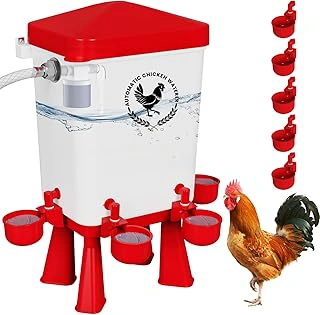
3 Gallon Automatic Chicken Waterer with Float Control, 5ft Pipe, and 5 Cups
This system combines a bucket reservoir with five drinking cups mounted along a length of PVC pipe. The float control regulates the water level in the bucket, and the cups dispense fresh water each time a bird pecks the trigger inside.
Cup waterers stay cleaner than open bowls because chickens can't step into them or scratch bedding inside. The five-cup setup works well for small flocks, giving multiple birds access without crowding. The 5-foot pipe lets you distribute cups around the coop or run.
Say you're managing six hens in a backyard coop. Each hen can drink from her preferred cup without jostling for position, and you'll spend less time scrubbing algae out of basins. The system does require occasional rinsing of the cups and checking the float valve for debris, but daily refills become a thing of the past.
- ✅ Five-cup design reduces crowding and spillage
- ✅ Float control keeps reservoir topped up automatically
- ✅ Cups stay cleaner than open dishes
- ⚠️ Chickens may need a few days to learn the cup triggers
- ⚠️ Cups and float valve need periodic cleaning
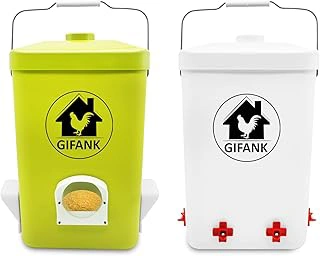
3 Gallon Automatic No Waste Chicken Feeder and Waterer Set
This bundle includes both a feeder and a waterer, each built on a no-waste gravity design. The waterer portion uses a reservoir that releases water into a trough as the level drops, while the feeder dispenses feed through ports that minimize scattering.
It's a convenient all-in-one solution if you're setting up a new coop or upgrading both systems at once. The gravity design means no hoses or float valves - just fill the reservoirs and let physics do the work. Both units are freestanding and easy to move during cleaning.
Picture a beginner homesteader who wants to simplify coop chores. This set cuts setup time and keeps feed and water available around the clock. The waterer won't automatically refill from a hose, so you'll still need to top it off every few days, but the large capacity and tidy design reduce the frequency and mess of manual refills.
- ✅ Bundles feeder and waterer in one purchase
- ✅ Gravity design requires no hoses or valves
- ✅ Freestanding units are easy to move and clean
- ⚠️ Waterer still requires manual refills every few days
- ⚠️ No freeze protection for winter climates
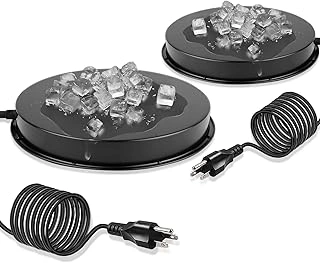
Chicken Water Heater Base with Thermostat for Winter
This heated base is designed to sit beneath your existing waterer, keeping it from freezing when temperatures drop. The built-in thermostat activates the heating element only when needed, so it won't overheat in milder weather or waste electricity.
It's not a waterer on its own - you'll pair it with a bucket or traditional fount. But if you live somewhere with hard winters, this accessory can be the difference between hauling warm water twice a day and letting your system run unattended.
Imagine waking up to single-digit temperatures and knowing your flock still has liquid water. The base heats just enough to prevent ice without creating a hot-water hazard. You'll need access to an outlet in or near your coop, and you should check that your waterer fits the base dimensions before buying.
- ✅ Thermostat prevents overheating and saves energy
- ✅ Works with most standard waterers
- ✅ Eliminates the need to break ice or carry warm water daily
- ⚠️ Requires an electrical outlet near the coop
- ⚠️ Does not include a waterer - sold separately
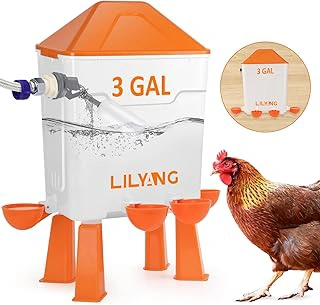
Lilyang Automatic Chicken Waterer 3 Gallon
This waterer uses a gravity-fed reservoir with a simple fill-and-go design. The base trough automatically refills as chickens drink, and the sealed lid keeps debris and bedding out of the main tank.
It's compact, easy to carry when full, and requires no tools or hoses to set up. The trough sits low enough for small breeds and bantams but holds enough water for a standard backyard flock to get through a full day or more, depending on temperature and bird count.
If you're looking for a waterer you can fill in the morning, place in the coop, and forget about until evening chores, this is a solid pick. It won't connect to a hose for auto-refill, but the 3-gallon capacity and sealed design reduce the frequency of trips and the amount of spillage. Cleaning is straightforward - unscrew the base, rinse, and refill.
- ✅ No-tools setup with gravity-fed trough
- ✅ Sealed lid keeps bedding and debris out
- ✅ Compact and easy to carry when full
- ⚠️ Requires manual refills - no hose connection
- ⚠️ Trough may freeze in very cold weather without a heated base
Buyer's Guide: What to Look For in an Automatic Waterer
Start with capacity. A 3-gallon reservoir typically serves a small flock for one to three days, depending on heat and bird count. Larger tanks mean fewer refills but take up more coop space.
Next, consider your water source. Float-valve systems need a pressurized hose connection, while gravity waterers require manual fills. If you have a rain barrel or outdoor spigot near the coop, a hose-fed system can run for weeks unattended.
Climate matters. In freezing weather, even automatic systems will ice over unless you add a heated base or insulated housing. If winters are harsh, budget for a heater or plan to bring waterers indoors overnight.
Cleaning frequency varies by design. Nipple and cup systems stay cleaner because birds can't stand in them, but they still need occasional scrubbing. Open troughs collect more debris but are easier to rinse quickly.
Finally, think about your flock's learning curve. Nipple drinkers may take a few days of training, while cup and trough systems are intuitive from day one.
Frequently Asked Questions About Automatic Chicken Waterers
How often do I need to refill a 3-gallon waterer? It depends on flock size and temperature. A small flock of six hens may go two to three days in cool weather, but only one day in summer heat.
Can chickens learn to use nipple drinkers? Yes, most birds figure it out within a few days. You can speed the process by tapping the nipple to show them water comes out.
Do automatic waterers work in winter? Gravity and float-valve systems will freeze unless you add a heated base or insulated housing. Heated bases with thermostats are the most common solution.
How do I keep the water clean? Elevate the waterer above bedding level, use a sealed reservoir, and rinse the system weekly. Cup and nipple designs stay cleaner than open troughs.
What if my coop has no electricity? Stick with gravity-fed or hose-fed systems for three-season use, and plan to manually break ice or bring waterers indoors during freezing weather.
Final Verdict: The Right Waterer for Your Coop
If you want hands-off convenience and have a hose nearby, the float-valve bucket systems let you go weeks between check-ins. For cleaner water and less spillage, the cup-style waterer with float control is a strong choice. If you're setting up a new coop and want both feed and water sorted in one purchase, the feeder-and-waterer bundle simplifies your shopping list.
In cold climates, pair any of these systems with the heated base to keep water flowing all winter. And if you prefer simplicity with no hoses or valves, the gravity-fed Lilyang waterer delivers reliable performance with minimal setup.
Match your choice to your climate, your daily schedule, and how much automation you want. Any of these systems will reduce the time you spend hauling water and cleaning muddy bowls, giving you more time to enjoy your flock.