I spent my first homesteading season hand-turning a three-bin pallet system every weekend. By August, my lower back staged a full rebellion and I bought a tumbler out of desperation. That purchase taught me something important: there's no universal 'best' composter. The right choice depends entirely on what you're composting, how much space you have, and honestly, how much you enjoy physical labor.
The compost tumbler versus bin debate isn't really about which technology is superior. It's about matching a tool to your situation. Tumblers promise speed and convenience. Traditional bins offer capacity and simplicity. Both can produce excellent compost, and both can become neglected eyesores if they don't fit your actual workflow.
According to research from Oregon State University Extension, the average household generates about 200 pounds of compostable kitchen waste annually, not counting yard debris. The question isn't whether you should compost-it's which system will actually get used rather than becoming garden decor. Let's walk through the practical differences that matter on a working homestead.
How Compost Tumblers Actually Work
A compost tumbler is essentially a barrel mounted on a frame that you can rotate. You load it with kitchen scraps and 'brown' materials like shredded paper or dry leaves, then spin the drum every few days to aerate the pile. The enclosed design traps heat and moisture while the tumbling action distributes oxygen-two critical factors that thermophilic bacteria need to break down organic matter quickly.
The appeal is obvious. No pitchfork required. No bending over to turn a pile. Just grab the handle and give it a few rotations while your coffee brews. In optimal conditions-proper moisture, good carbon-to-nitrogen ratio, regular turning-you can get finished compost in 4 to 6 weeks according to Cornell University's composting research.
But here's the catch: tumblers have limited capacity. Once you fill one up, you need to stop adding material and let that batch finish. That's why dual-chamber models have become popular. You fill one side while the other 'cooks.' It's elegant in theory, though it does mean you're managing two smaller batches instead of one large continuous pile.
The elevation also matters more than you'd think. Being off the ground means no direct contact with soil organisms and earthworms that would naturally colonize a ground-level pile. You're relying entirely on the microbes already present in your ingredients, which is usually fine but does change the biology slightly.
Traditional Compost Bins: The Tried and True Approach
A traditional compost bin is basically a container that holds your pile in place. It might be made from wooden slats, recycled plastic panels, or concrete blocks. Some have open bottoms to allow direct soil contact. Others are fully enclosed to deter pests. The simplest version is literally just a wire cylinder or a pile with no container at all.
The main advantage is capacity and flexibility. A standard bin holds anywhere from 80 to over 200 gallons. You can keep adding material indefinitely, harvesting finished compost from the bottom while fresh stuff decomposes on top. For homesteaders with gardens, this continuous-feed approach often makes more sense than batch composting.
Bins also cost less. A basic wire mesh cylinder runs $30-40. Even a nice multi-chamber wooden bin rarely tops $150. And if you're handy, you can build one from pallets for essentially nothing. The trade-off is effort. You'll need to turn the pile with a garden fork every week or two, and that means lifting and aerating material manually.
The other reality is that open bins take longer. You're looking at 3 to 6 months for finished compost, sometimes longer in cool weather. But according to the University of Illinois Extension, this slower 'cold composting' is perfectly fine-it just requires patience rather than active management. Many experienced gardeners actually prefer it because the process is more forgiving of ratios and moisture levels.
Speed, Effort, and the Reality of Your Schedule
Let's talk about what actually happens in real life. Tumblers are faster if-and this is a big if-you turn them every 2-3 days and maintain the right moisture level. Miss a week because you're dealing with sick chickens or a work deadline, and that speed advantage evaporates. The enclosed drum can go anaerobic quickly, turning into a slimy, smelly mess.
I've found that tumblers work beautifully for people with consistent routines. If you're the type who checks the garden every morning anyway, spinning the tumbler becomes a 30-second habit. But if your homestead time is sporadic, a bin is more forgiving. You can ignore it for two weeks and it just keeps slowly decomposing. No drama.
The physical effort calculation is also personal. Yes, turning a tumbler is easier than forking a pile. But a full tumbler-especially the larger models-can be surprisingly heavy to rotate. My 65-gallon tumbler when fully loaded probably weighs 200 pounds. That's manageable but not effortless, especially if you're recovering from an injury or dealing with arthritis. Meanwhile, I can turn my bin pile in manageable sections, taking breaks as needed.
What You're Actually Composting Matters
Kitchen scraps and coffee grounds? A tumbler handles these beautifully. The small particle size breaks down quickly, and the enclosed space prevents fruit flies. If your compost stream is mostly vegetable peelings, eggshells, and shredded paper from the office, a dual-chamber tumbler might be perfect.
But add significant yard waste to the equation and the math changes. A season of grass clippings, pruned branches (even chipped), and autumn leaves will quickly overwhelm a 37-gallon tumbler. Bins excel at volume. I can dump an entire wheelbarrow of spent tomato plants into my bin without worrying about capacity. A tumbler would need three or four loads to accommodate the same material.
There's also the question of what you can't compost easily in a tumbler. Woody stems and thick stalks don't break down well in the limited space. They just tumble around, jamming the mixing bars. In a bin, those items eventually decompose with time and direct soil contact. The invertebrates and fungi that colonize from the ground level help process tougher materials that bacteria alone struggle with.
According to the EPA's composting guidelines, the ideal system matches your waste stream. High-volume producers need capacity. Apartment dwellers or small-space gardeners benefit from compact, fast systems. There's no shame in choosing based on practical constraints rather than composting ideology.
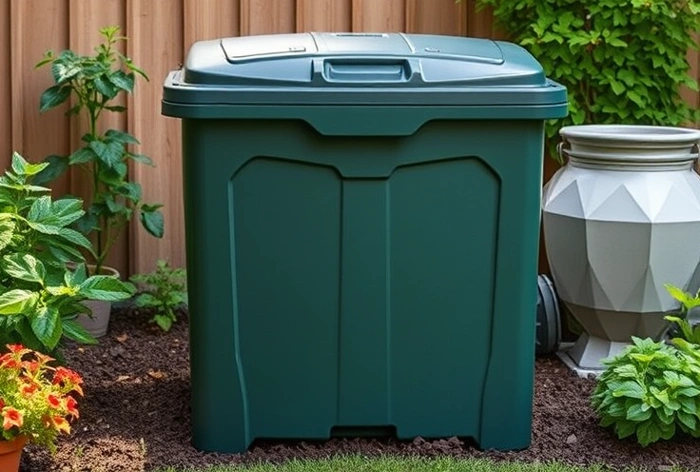
Miracle-Gro Small Composter - Dual Chamber Compost Tumbler - 2 Batches - All-Season - Easy-Turn, Fast-Working System - (2) 18.5 gal (70L) - Heavy-Duty Garden Tumbler with Gloves
This Miracle-Gro tumbler is the model I see most often in suburban homesteads, and for good reason. The dual 18.5-gallon chambers mean you can run a continuous composting operation despite the compact footprint. Fill one side with fresh scraps while the other side finishes, then swap. It's a genuinely practical workflow for kitchen waste.
The internal mixing bars are more effective than smooth-walled tumblers I've tried. They actually break up clumps as you turn, which speeds decomposition noticeably. The elevated design keeps it away from ground moisture and pests, which matters if you have raccoons or rats in your area.
Where it stumbles is assembly. The instructions are unclear and the panels don't quite want to align. Plan on recruiting a second person and allocating a frustrating hour. And be honest about your volume-37 gallons total is fine for a couple's kitchen scraps but insufficient if you're composting for a family of five or adding garden waste beyond a few weeds.
- ✅ The dual-chamber system lets you 'cook' one batch of compost while continuously adding new scraps to the other, providing a steady supply.
- ✅ Tumbling action makes it easy to aerate the pile by simply turning the handle, avoiding the physical strain of using a pitchfork.
- ✅ Being fully enclosed and elevated off the ground helps prevent rodents and other pests from accessing your compost.
- ✅ The internal mixing bars efficiently break up clumps and mix materials as you turn it, accelerating the decomposition process.
- ⚠️ Assembly can be difficult and time-consuming, often requiring two people and careful attention to the instructions.
- ⚠️ The combined 37-gallon capacity is relatively small and best for kitchen scraps; it may not be sufficient for a family with significant yard waste.
- ⚠️ If the carbon-to-nitrogen ratio is too wet, the sliding doors can sometimes leak compost leachate onto the ground below.
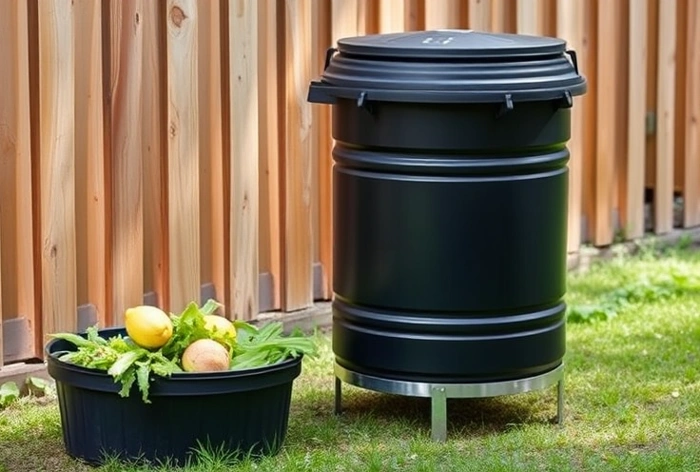
Lifetime 65 Gal. Black Compost Tumbler
If you need more capacity but still want the convenience of a tumbler, this Lifetime model hits a practical sweet spot. The 65-gallon drum can handle a small family's kitchen waste plus moderate garden scraps-think lettuce bolting, pulled weeds, and the occasional bag of autumn leaves.
The build quality is noticeably more robust than budget models. The powder-coated galvanized steel frame feels stable, and the HDPE drum should withstand years of UV exposure without becoming brittle. I appreciate the internal aeration bar that runs through the center; it helps oxygenate the core of the pile, where anaerobic conditions most often develop.
The single-chamber design is both strength and weakness. It's simple-just one large space to manage. But it means you need to stop adding material when you want to let a batch finish, which interrupts the continuous flow that makes composting convenient. And when this drum is more than half full, turning it becomes genuinely strenuous. The dark color also means it can overheat and dry out in full sun, requiring you to monitor moisture more carefully than lighter-colored alternatives.
- ✅ A generous 65-gallon capacity makes it suitable for a small family's kitchen scraps and moderate yard waste.
- ✅ The UV-protected HDPE drum and powder-coated steel frame are designed for durability and to withstand outdoor elements for years.
- ✅ An internal aeration bar runs through the drum, helping to mix and supply oxygen to the compost as it's turned.
- ✅ Features a large removable lid that makes it simple to add large amounts of material or empty the finished compost into a wheelbarrow.
- ⚠️ As a single-chamber unit, you must stop adding new materials to allow the entire batch to finish, interrupting the composting cycle.
- ⚠️ The large drum can become extremely heavy and difficult to turn when it is more than half full, which can be a challenge for some users.
- ⚠️ The dark black color absorbs significant heat, which can cause the compost to dry out too quickly in very sunny locations, requiring more frequent watering.
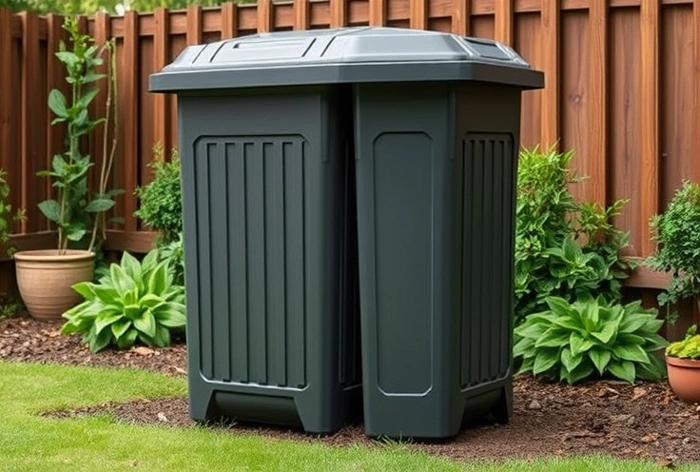
FCMP Outdoor 37 Gal. Tumbling Composter
The FCMP tumbler sits in the same size category as the Miracle-Gro model-37 gallons split across two chambers-but brings some thoughtful design improvements. The octagonal shape with deep panel fins does a better job mixing material than simple round drums. You can actually see and hear the compost tumbling and breaking apart as you rotate it.
I particularly like that it's made from 100% post-consumer recycled polypropylene. If you're homesteading with sustainability as a core value, that matters. The material is BPA-free and feels thick enough to last. The ergonomic hand holds are positioned well, making the rotation motion comfortable rather than awkward.
But this model shares the same frustrating assembly process that seems endemic to dual-chamber tumblers. The panels require significant force to snap into the frame, and you'll question your life choices halfway through. The 37-gallon capacity also means this is best for smaller households focused primarily on food scraps. If you're composting significant garden waste, you'll quickly outgrow it. And like many tumblers, the sliding doors can get gummed up with sticky compost, making access difficult when the drum is full.
- ✅ The octagonal drum and deep fins on the panels are effective at breaking up clumps and mixing compost.
- ✅ Built with 100% recycled, BPA-free plastic, directly supporting the sustainable living goals of a homesteader.
- ✅ Designed with ergonomic hand holds, making the tumbling action relatively easy and accessible for most users.
- ✅ The dual-chamber design enables continuous composting, so you can always be adding new kitchen scraps while an older batch cures.
- ⚠️ Like many similar models, the initial assembly process can be difficult, with panels that require significant force to snap together.
- ⚠️ The 37-gallon capacity is on the smaller side and is best for a one or two-person household's food scraps, not large yard waste.
- ⚠️ The sliding access doors can become clogged with compost material, making them stiff and difficult to open or close fully.
Cost and Long-Term Value Considerations
A quality compost tumbler runs $90-170 depending on size and features. That's a real investment compared to a $40 wire bin or a free pallet setup. But the cost-per-use calculation depends entirely on whether you'll actually use it consistently. A $150 tumbler that sits neglected is more expensive than a $40 bin that gets used weekly.
Durability varies dramatically. Cheap tumblers with thin plastic and lightweight frames crack within two seasons. The models I've recommended here use UV-protected materials and galvanized steel that should last 5-7 years minimum. I'm in year four with my FCMP tumbler and it's still structurally sound, though the doors are getting sticky.
Bins, especially wire or wooden versions, require occasional maintenance. Wire can rust. Wood eventually rots. But these are simple, repairable issues. A broken tumbler-say, a cracked drum or failed bearing-often means replacing the entire unit. The mechanical complexity introduces additional failure points.
The hidden cost that nobody mentions is amendments. Because tumblers don't have soil contact, you might need to add a compost starter or finished compost from another source to introduce beneficial microbes. Bins inoculate themselves naturally. It's a minor cost but worth factoring if you're starting from scratch with no existing compost on site.
Deciding Factors: Which System Fits Your Homestead?
- Choose a tumbler if you're primarily composting kitchen scraps and want finished compost quickly
- Choose a bin if you generate significant yard waste or garden debris beyond food scraps
- Consider dual-chamber tumblers for continuous composting workflow without maintaining separate piles
- Opt for larger capacity if composting for more than two people or including chicken bedding
- Factor in physical limitations-tumblers reduce strain but full drums can still be heavy to rotate
- Budget for quality construction if choosing a tumbler; cheap models fail quickly outdoors
- Plan for patience with bins-they take longer but require less active management
- Evaluate pest pressure in your area; tumblers offer better protection from rodents and raccoons
What Actually Works in Real Homestead Life
Here's what I've learned after using both systems: the best composter is the one you'll actually maintain. Tumblers are wonderful for people who enjoy quick routines and produce mainly food waste. Bins excel for gardeners who generate volume and prefer a set-it-and-forget-it approach.
Many experienced homesteaders end up with both. A tumbler near the kitchen door for daily scraps. A larger bin out by the garden for plant debris, autumn leaves, and occasional chicken coop cleanouts. This hybrid approach gives you speed when you want it and capacity when you need it.
The romanticism around composting can obscure the mundane reality: it's yard work. Some days you'll be eager to tend your compost. Other weeks you'll ignore it because life intervenes. Choose a system that tolerates your actual behavior rather than your aspirational behavior. A neglected bin just sits there decomposing slowly. A neglected tumbler can become a problem.
Whatever you choose, you're making a meaningful contribution to your homestead's sustainability. According to the EPA, food scraps and yard waste together constitute more than 30% of what we throw away. Diverting that into compost closes the loop, builds soil, and reduces your dependence on external inputs. That's valuable regardless of which container you use.