We may earn a commission when you buy through links on this page, at no extra cost to you. How this works.
If you're getting ready to start your first compost pile, you're taking a smart step toward healthier soil and a more sustainable homestead. But like many beginners, you might be wondering how to avoid the pitfalls that lead to slow decomposition, unpleasant odors, or unwanted pests around your pile.
The good news is that composting is remarkably forgiving. You don't need perfect conditions or expensive equipment to succeed. What you do need is an understanding of a few key principles - balancing your materials, maintaining the right moisture level, and ensuring adequate airflow - that make the difference between a pile that transforms into rich, crumbly compost in a few months and one that sits unchanged for a year or more.
This guide walks you through the most common mistakes beginners make when starting a compost pile, and more importantly, how to avoid them from day one. Whether you're working with a simple open pile, a bin system, or a tumbler, these fundamentals apply. By sidestepping these missteps early, you'll save yourself time troubleshooting later, keep your compost area pleasant and pest-free, and produce finished compost that's ready to enrich your garden beds when you need it.
Composting isn't complicated, but small adjustments at the beginning set you up for steady success. Let's look at what to watch out for so your first pile becomes a reliable source of homemade compost season after season.
Mistake #1: The Wrong Ratio of Greens to Browns
One of the most common compost pile mistakes beginners make is getting the balance of greens and browns wrong. This ratio is the foundation of healthy decomposition, and when it's off, your pile will let you know - often with unpleasant smells or frustratingly slow progress.
Greens are nitrogen-rich materials like fresh grass clippings, fruit and vegetable scraps, coffee grounds, and green plant trimmings. They provide the protein and moisture that fuel the microorganisms breaking down your pile.
Browns are carbon-rich materials such as dry leaves, straw, shredded cardboard, newspaper, and small twigs. They add structure, create air pockets, and absorb excess moisture.
When you add too many greens, your compost pile becomes a soggy, compacted mess. The excess nitrogen and moisture create anaerobic conditions - meaning there's not enough oxygen for healthy decomposition. The result is a slimy pile that smells like ammonia or rotting garbage. This is one of the quickest ways to turn neighbors against your composting efforts.
On the flip side, too many browns starve the microbial community of the nitrogen they need to work efficiently. Your pile will stay dry and break down at a crawl, sometimes taking a year or more to produce finished compost. You'll be left wondering if anything is happening at all.
The sweet spot is a ratio of roughly 2-3 parts brown material to 1 part green material by volume. You don't need to measure precisely - think of it as layering: for every bucket of food scraps, add two to three times that volume in dry leaves or shredded cardboard. Visual estimation works well once you get a feel for it.
If your pile starts to smell, add more browns and turn it to reintroduce oxygen. If decomposition stalls, mix in some greens and a bit of water to reactivate the microbes. Adjusting as you go is part of learning to read your pile, and small corrections keep the process moving smoothly.
Mistake #2: Letting the Pile Get Too Dry or Too Wet
Moisture balance is critical for active composting. The ideal texture is damp, like a wrung-out sponge - moist enough to support microbial activity but not so wet that water pools or drips freely when you squeeze a handful.
When a compost pile becomes too dry, decomposition slows dramatically or stops altogether. Microorganisms need moisture to break down organic matter, and a parched pile will sit inert for months. You may notice the materials look dusty, gray, or unchanged over time.
On the other end, a pile that's too wet becomes compacted and oxygen-starved. Without adequate air circulation, beneficial aerobic microbes die off and anaerobic bacteria take over, producing foul-smelling compounds like ammonia or hydrogen sulfide. The pile may develop a slimy texture, emit a rotten odor, and attract pests.
Use the squeeze test to check moisture: grab a handful of material from the center of the pile and squeeze firmly. A few drops of water should appear, but it should not stream out. If the handful crumbles and feels dry to the touch, add water with a hose or watering can, turning the pile to distribute moisture evenly. If water pours out or the material feels soggy, mix in dry carbon-rich materials such as shredded leaves, straw, or sawdust to absorb excess liquid and reintroduce air pockets.
Seasonal conditions will affect moisture levels. Summer heat evaporates water quickly, so you may need to water weekly or cover the pile with a tarp to retain humidity. In rainy climates or during wet seasons, a lid or tarp can prevent oversaturation. Check moisture every few weeks and adjust as conditions change.
Mistake #3: Forgetting to Aerate Your Compost
Oxygen is the fuel that drives aerobic decomposition - the process that transforms kitchen scraps and yard waste into rich, earthy compost. When your pile lacks air circulation, beneficial aerobic bacteria can't do their job. Instead, anaerobic bacteria take over, producing a foul, sulfurous smell and slowing breakdown to a crawl.
Signs of poor aeration are hard to miss: a rotten-egg or ammonia odor, slimy texture in the center of the pile, and material that looks the same week after week. If you peel back the top layer and encounter a dense, compacted, smelly mass, your pile is suffocating.
Turning your compost introduces fresh oxygen and redistributes moisture and heat. For hot composting - where you're aiming for temperatures above 130°F - turn the pile weekly. This keeps decomposition moving quickly and helps the pile reach finished compost in as little as four to eight weeks. If you're taking a slower, passive approach, turning every two weeks is usually enough to prevent odor and keep things progressing steadily.
You don't need fancy equipment to aerate effectively. A standard pitchfork works well: push it deep into the pile, lift and toss the material to the side, then repeat across the entire pile. This technique moves outer material toward the center and vice versa, evening out temperature and moisture. For deeper piles or if turning is physically difficult, a compost aerator - a long-handled tool with folding tines or a corkscrew design - lets you punch aeration channels without fully turning the pile. It's quicker, though not as thorough as a full turn.
Make aeration a habit from the start. Mark your calendar or set a phone reminder so turning becomes part of your routine. Even a few minutes of turning each week makes the difference between a productive pile and a stagnant, smelly mess. Consistent oxygen flow keeps your compost pile working efficiently, producing finished compost faster and with far fewer odor complaints from neighbors or family.
Mistake #4: Adding Prohibited Materials
Not everything biodegradable belongs in a compost pile. Adding the wrong materials can attract pests, create foul odors, introduce pathogens, or contaminate your finished compost. Understanding what to exclude protects both your pile and the garden where you'll eventually use the compost.
Meat, fish, and bones decompose slowly and release strong odors that attract rats, raccoons, and other scavengers. These animal products also create ideal conditions for harmful bacteria as they break down. Even small scraps can turn a quiet pile into a pest magnet within days.
Dairy products including cheese, milk, yogurt, and butter produce similar problems. They smell as they rot, draw flies and rodents, and can introduce pathogens. The fats in dairy also coat other materials and slow overall decomposition.
Oils, fats, and grease from cooking or food preparation create a water-resistant barrier on compost ingredients. This coating prevents air and moisture from reaching organic matter, which stalls the breakdown process. Excess fats also attract pests and produce rancid odors.
Pet waste from dogs, cats, or other carnivorous animals carries parasites and pathogens that survive the composting process in most backyard piles. These organisms can contaminate vegetables and pose health risks. Herbivore manure from chickens, rabbits, or livestock is safe, but carnivore waste is not.
Diseased or pest-infested plants can spread problems throughout your garden. Fungal spores, bacterial blights, and insect eggs often survive in compost that doesn't reach high enough temperatures. If you've pulled plants with visible disease or heavy pest damage, dispose of them separately.
Treated or painted wood contains chemical preservatives, stains, or finishes that leach into compost. These substances can harm soil microbes and persist in your garden soil. Stick to untreated, natural wood materials like plain sawdust or wood chips.
Weeds with seed heads present a risk unless your pile consistently reaches high temperatures. Many weed seeds survive mild composting conditions and will sprout wherever you spread the finished compost. Remove seed heads before adding weeds, or dispose of seedy weeds separately.
Coal or charcoal ash differs from wood ash in chemistry. It contains sulfur and other compounds that can harm plants and soil biology. Wood ash in small amounts is acceptable, but avoid ashes from coal, briquettes, or treated wood.
For materials you can't compost, consider these alternatives: meat and dairy scraps go in the trash or, where available, municipal composting facilities that reach higher temperatures. Cooking oils and fats can sometimes be recycled through local programs. Pet waste belongs in the trash or specialized pet-waste composting systems. Diseased plants should be bagged and discarded to prevent spread. Treated wood goes to appropriate waste facilities, never burned or composted.
When in doubt, leave it out. A cautious approach prevents most problems. Focus on safe, proven ingredients - vegetable scraps, fruit peels, coffee grounds, eggshells, yard trimmings, and plain paper - and your pile will remain productive, pest-free, and ready to enrich your garden.
Mistake #5: Making the Pile Too Small to Heat Up Properly
One of the most overlooked factors in compost success is size. A pile that's too small simply won't generate the internal heat needed for efficient decomposition. Without that heat, microorganisms work much more slowly, and you may wait months or even a year for finished compost instead of the typical 8 to 12 weeks.
The magic number for hot composting is a minimum of 3 feet wide by 3 feet deep by 3 feet tall - roughly one cubic meter. At this size, the pile has enough mass to insulate itself and trap the heat produced by microbial activity. Internal temperatures can reach 130 to 160 degrees Fahrenheit, which speeds breakdown and helps kill weed seeds and pathogens.
If your pile is smaller - say, 1 or 2 cubic feet - it will still decompose, but you'll be operating in cold composting mode. This isn't a failure; it's just a slower process. Cold piles work well for gardeners with limited material or space, but expect timelines to stretch significantly.
For those with space constraints, a tumbler bin can be a practical compromise. While most tumblers hold less volume than the ideal 27 cubic feet, their enclosed design retains more heat and their rotation feature adds regular aeration, which helps offset the smaller size. Just be prepared for a composting timeline somewhere between hot and cold methods.
If you're building an open pile and can't quite reach the 3x3x3 benchmark at first, focus on collecting enough material before you start layering. Stockpile browns like shredded leaves or cardboard, and save kitchen scraps in a lidded bucket for a few days. When you have enough volume to build a proper-sized pile all at once, you'll see much faster heating and decomposition than if you add small amounts gradually.
Another option is to accept the longer timeline and embrace cold composting. It requires less effort, no turning, and still produces quality finished compost - it just takes patience. Either approach works; the key is understanding that pile size directly affects both temperature and speed.
Mistake #6: Not Chopping or Shredding Large Materials
Large, intact materials create one of the most common bottlenecks in compost piles. Whole branches, uncut vegetables, and intact corn cobs can sit for months - or even years - without breaking down, leaving you with a bin full of recognizable debris instead of finished compost.
The issue comes down to surface area. Microorganisms can only work on the exterior of each piece, so a whole apple might take six months to decompose, while the same apple chopped into quarters breaks down in weeks. Thick stems, intact root vegetables, and woody prunings are especially problematic because their dense structure resists microbial penetration.
The solution is straightforward: chop or shred materials to roughly 1 to 3 inches before adding them to your pile. This size range offers enough surface area for fast decomposition without creating pieces so small they mat together and block airflow.
You don't need specialized equipment. Pruning shears work well for cutting stems, stalks, and small branches. A sharp shovel can chop kitchen scraps and soft plant material directly on your compost pile or a flat surface. For fall leaves, a lawn mower is one of the most efficient tools - run it over dry leaves a few times, and you'll have perfectly sized mulch ready to layer with greens.
There is a trade-off: chopping materials takes effort up front. On a busy weekend, it's tempting to toss whole squash or armfuls of uncut garden waste into the bin and move on. But that five or ten minutes of prep work can mean the difference between finished compost in three months versus a pile that's still half-raw after a full season.
If you have a large volume of woody material, consider keeping a separate brush pile for slow decomposition or investing in a chipper-shredder down the line. For everyday composting, a simple habit of cutting or breaking materials as you add them will keep your pile moving efficiently.
Patience and Practice Make Perfect Compost
Composting is one of the most forgiving practices in the garden. Even when things don't go perfectly, organic matter still breaks down and creates something useful for your soil. The key is observation and adjustment - paying attention to what your pile tells you through smell, temperature, and texture, then making small changes to guide it in the right direction.
By avoiding the six mistakes covered in this guide - neglecting the greens-to-browns balance, building a pile that's too small or too large, forgetting to turn and aerate, adding the wrong materials, ignoring moisture levels, and expecting instant results - you'll set yourself up for composting success from the start. Each of these pitfalls is easy to sidestep once you understand the basic principles of what a compost pile needs to thrive.
Don't be discouraged if your first batch takes longer than expected or if you need to troubleshoot along the way. Keep simple notes about what you add and when, so you can spot patterns over time. Celebrate the small wins: the first time your pile heats up, the earthy smell of active decomposition, or the moment you uncover finished compost that crumbles like rich soil in your hands.
Remember that even imperfect compost - material that hasn't fully broken down or that took months longer than planned - still adds organic matter, improves soil structure, and feeds beneficial organisms when worked into your garden beds. Composting is a skill that deepens with practice, and every pile teaches you something new about the balance of carbon, nitrogen, air, and water that transforms kitchen scraps and yard waste into black gold for your homestead.
Start where you are, with the materials you have. Adjust as you learn. Your soil - and your garden - will thank you for the effort.
Quick Troubleshooting: How to Fix Common Compost Problems
- Smelly compost: Add more browns and turn the pile to introduce oxygen
- Slimy or matted compost: Mix in dry carbon materials and reduce moisture
- Pile not heating up: Check size (too small?), add greens for nitrogen, turn more frequently
- Pests or rodents: Stop adding meat/dairy, bury food scraps deeper, use a closed bin
- Pile too dry and not decomposing: Add water gradually while mixing, cover to retain moisture
- Only the center is composting: Turn edges into center, ensure even moisture distribution
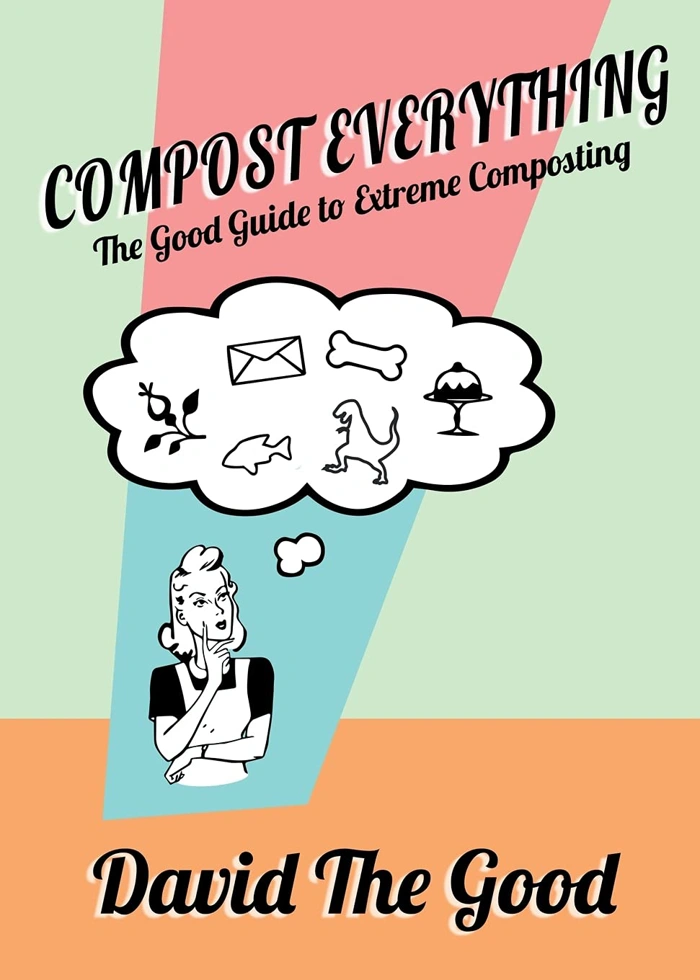
Compost Everything: Extreme Composting Guide
Once you've worked through the most common beginner mistakes, Compost Everything: Extreme Composting Guide offers a practical next step for composters ready to experiment beyond standard backyard methods. Priced at $14.99, this guide takes a hands-on approach to unconventional composting techniques that go well past the typical greens-and-browns advice.
The book is designed for readers who have mastered the basics and want to troubleshoot stubborn piles, optimize decomposition speed, or explore materials that traditional guides often skip. Its experimental tone makes it particularly useful if you're trying to solve specific problems - like breaking down tough materials, composting in challenging climates, or working with limited space.
This isn't an introductory manual. The methods covered assume you're comfortable with moisture balance, aeration, and carbon-to-nitrogen ratios. If you're still figuring out why your pile won't heat up or how often to turn it, work through those fundamentals first. But if you're ready to push past conventional limits and adapt composting systems to your specific situation, this guide provides the depth and practical detail to support that next phase.
With a 4.8 out of 5 rating, readers consistently note its straightforward writing and willingness to address real-world composting challenges that other resources gloss over.
- ✅ Practical, experimental approach to composting
- ✅ Covers unconventional methods beyond basic guides
- ✅ Useful for troubleshooting and optimizing systems
- ✅ Affordable at $14.99
- ⚠️ Not suitable for absolute beginners
- ⚠️ Assumes familiarity with core composting principles
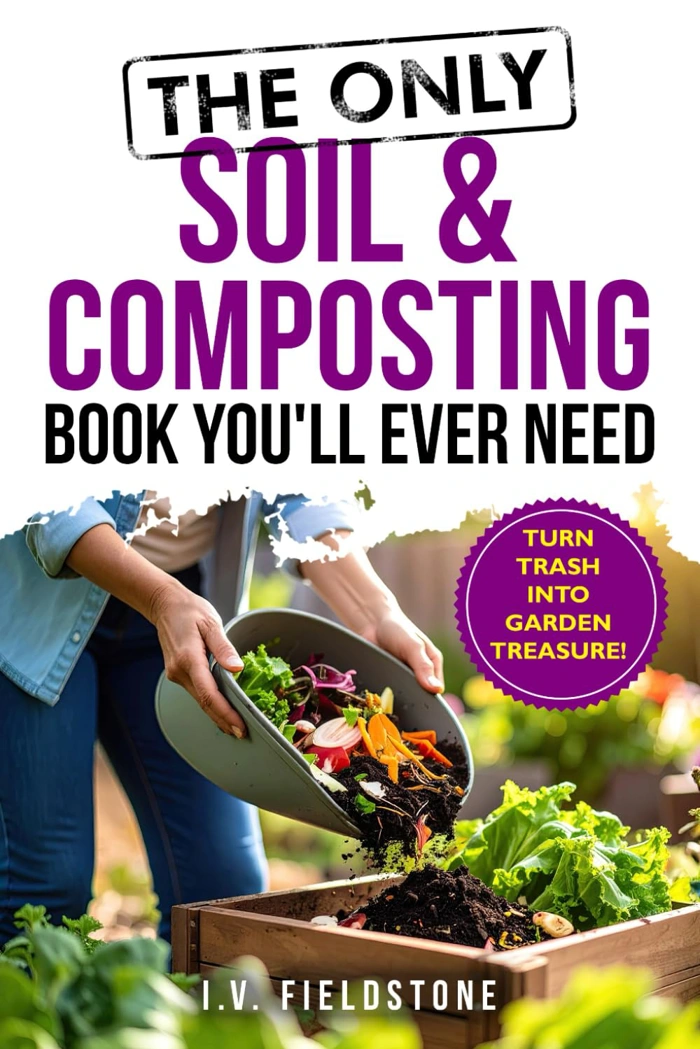
Mastering Soil & Composting: Boost Plant Growth & Create Garden Treasure
If you're serious about avoiding compost pile mistakes before they happen, Mastering Soil & Composting: Boost Plant Growth & Create Garden Treasure is a resource worth considering. This book offers a beginner-oriented foundation that covers both composting techniques and the soil science behind why those techniques matter.
Many new composters learn by trial and error - adding too many grass clippings, letting piles dry out, or wondering why decomposition stalls. This guide walks through the fundamentals in a way that connects composting practices to plant health and soil structure, helping you understand not just what to do, but why it works. That context makes it easier to troubleshoot problems and adapt methods to your own yard conditions.
The dual focus on soil and composting is particularly useful if you're planning to integrate finished compost into garden beds, raised planters, or landscape projects. You'll get a clearer picture of how compost interacts with existing soil, what to expect as organic matter breaks down, and how to match your composting approach to your gardening goals.
At $16.99, it's a straightforward investment for anyone who prefers to build knowledge alongside their first pile rather than fixing avoidable mistakes later. The 4.6-out-of-5 rating reflects consistent feedback from readers who found the explanations practical and the advice easy to follow.
This book is best suited for beginners who want a complete foundation in both composting and soil science, rather than a quick-start checklist. If you're looking for a single reference that ties together the science, the process, and the payoff, this guide delivers that broader perspective.
- ✅ Covers both composting and soil science for a complete foundation
- ✅ Beginner-oriented explanations that connect technique to results
- ✅ Helps integrate compost into broader garden planning
- ✅ Affordable reference at $16.99
- ⚠️ More comprehensive than a quick-start guide - requires time to read through
- ⚠️ Focus on fundamentals may feel basic for experienced composters
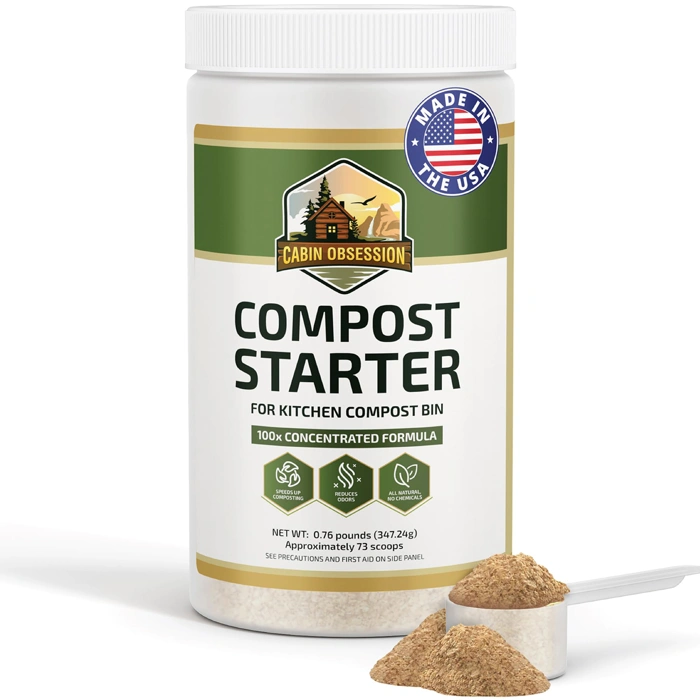
100x Concentrated All Natural Compost Accelerator for Countertop Kitchen Bins
If you've followed the fundamentals - balancing greens and browns, maintaining moisture, and aerating regularly - but still find your compost pile sluggish, a compost accelerator can help speed things along. The 100x Concentrated All Natural Compost Accelerator is designed to boost microbial activity, particularly in smaller setups like countertop kitchen bins or cold-weather piles where decomposition naturally slows.
This concentrated formula is all-natural, which means you're not introducing synthetic chemicals into the organic matter you plan to return to your garden. A little goes a long way with the 100x concentration, so one bottle lasts through many batches. It's especially useful for beginners who are still dialing in their green-to-brown ratio or dealing with compacted material that isn't heating up.
That said, an accelerator is a tool, not a fix for poor technique. If your pile is too dry, too wet, or lacks enough nitrogen-rich greens, adding a microbial boost won't solve the underlying issue. Use it as a supplement when you need faster results or want to jumpstart activity in a new bin, but don't rely on it to replace proper pile management.
The product works well in countertop bins where space is limited and you want to minimize odor by speeding decomposition. It's also handy during colder months when outdoor piles lose heat and slow down. For those just starting out, it offers a bit of insurance while you're learning the rhythm of composting.
At $19.99, it's an affordable option to keep on hand, especially if you compost year-round or manage multiple small bins. Just remember: the accelerator enhances what's already working - it won't fix a pile that's out of balance.
- ✅ 100x concentrated formula lasts through many batches
- ✅ All-natural formulation with no synthetic chemicals
- ✅ Helpful for countertop bins and cold-weather composting
- ✅ Speeds microbial activity when fundamentals are in place
- ⚠️ Won't fix underlying issues like incorrect moisture or ratio
- ⚠️ Optional tool - not essential if technique is sound
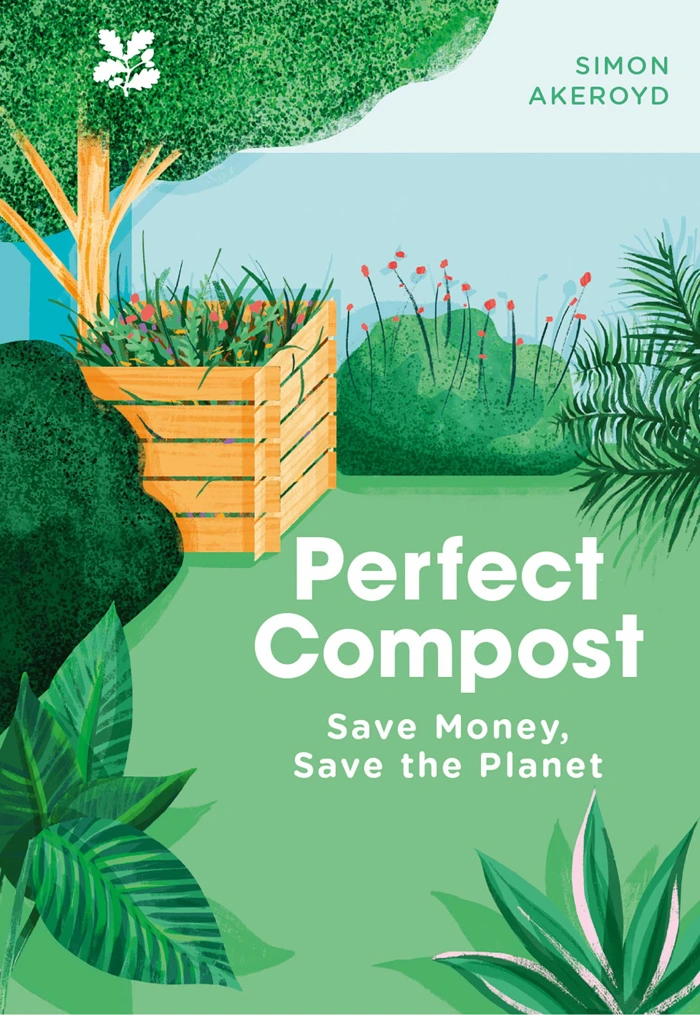
National Trust Books: Perfect Compost: A Practical Guide eBook
For readers who want a straightforward, portable reference, the National Trust Books: Perfect Compost: A Practical Guide eBook offers a focused introduction to composting fundamentals at an accessible price point. Priced at $6.99, this digital guide covers the essentials without overwhelming detail, making it a useful companion for beginners who prefer a concise overview they can reference on a tablet or phone while working outdoors.
The eBook format makes it easy to search for specific topics - balancing greens and browns, troubleshooting odor, adjusting moisture - without flipping through printed pages. Its practical focus aligns well with hands-on learning: read a section, step outside to apply it, and return when questions arise. This approach works especially well for visual learners who benefit from written reinforcement of techniques they're actively practicing.
Because it's a quick-start resource rather than an exhaustive manual, this guide complements real-world experimentation. It won't replace experience with your own pile's behavior in your local climate, but it provides a clear baseline to help you avoid the most common setup and maintenance mistakes. The concise structure also makes it a helpful refresher if you're returning to composting after a break or adjusting your methods for a new location.
This eBook suits readers who prefer digital formats, want a low-cost entry point, and value portability over in-depth coverage. If you learn best by doing and appreciate having a compact reference within reach, this guide delivers practical advice without unnecessary complexity.
- ✅ Affordable at $6.99
- ✅ Digital format for easy searching and portability
- ✅ Concise, practical focus on composting fundamentals
- ✅ Useful quick-start or refresher resource
- ⚠️ Limited depth compared to comprehensive printed guides
- ⚠️ Digital-only format may not suit all readers