We may earn a commission when you buy through links on this page, at no extra cost to you. How this works.
If you've noticed your backyard chickens shedding feathers in unexpected patches or looking scraggly as the seasons shift, you're likely watching them go through a molt. Chicken molting is a natural annual cycle where birds lose old feathers and grow fresh plumage, typically triggered by changes in daylight hours during late summer and fall. While the process can look alarming - especially the first time you see it - molting is completely normal and signals that your flock is preparing for cooler weather ahead.
The challenge for chicken keepers is that regrowing feathers demands significant energy and nutrients, particularly protein. Feathers are made mostly of keratin, a protein structure, so hens need roughly 20 - 22% protein in their diet during a molt compared to the usual 16 - 18% for routine maintenance. Without enough protein, feather regrowth slows, birds may stay exposed longer, and egg production can drop sharply or stop altogether.
This guide walks you through the signs of molting, explains why protein becomes the priority nutrient, and introduces high-protein treat options that fit easily into your feeding routine. You'll also learn how to adjust feed and avoid common mistakes that can stretch out the molt unnecessarily. By the end, you'll have a clear plan to support your flock through this transition and help them emerge with strong, insulating feathers ready for winter.
What is Chicken Molting and Why Does it Happen?
Chicken molting is the natural process where birds shed old, worn feathers and grow fresh plumage in their place. Most backyard chickens molt once a year, usually triggered by the shorter days of late summer or early fall when daylight drops below about fourteen hours. This this product clock signals the bird to pause egg production and redirect energy toward building new feather coats before winter cold arrives.
Feathers take a beating over the course of a year. Sun bleaches pigment, rain and dust wear down the barbs, and the constant activity of scratching, roosting, and flapping creates splits and breaks. By autumn, a hen's protective covering is threadbare. Molting allows the bird to replace this damaged insulation with dense, intact feathers that trap body heat more effectively and shed water efficiently.
The process unfolds in a predictable sequence. Feathers drop from the head and neck first, then move down the body to the back, wings, and tail. Some chickens lose feathers gradually over two to three months, while others molt hard and fast, going nearly bald in a matter of weeks. Both patterns are normal. During this time, you may notice bare patches of skin, pin feathers poking through like quills, and a temporary drop in activity as the bird conserves energy.
Feather regrowth is protein-intensive work. A single feather is roughly 80 to 85 percent protein by dry weight, and a full molt can require a hen to rebuild thousands of feathers simultaneously. Without adequate protein intake, regrowth slows, feathers come in weak or malformed, and the bird may enter winter poorly insulated. Understanding this demand is the first step in supporting your flock through the molt with confidence.
How to Identify the Signs of Molting in Your Flock
Molting chickens show several distinct physical and this product changes that set this natural process apart from illness or flock aggression. Patchy feather loss is the most obvious sign - you'll notice bare or thinning areas on the neck, back, wings, and vent first, followed by the body and tail. These patches appear symmetrical on both sides of the bird, unlike the isolated damage caused by feather pecking or parasites.
Pin feathers emerge as the new plumage begins to grow. These short, waxy spikes look like dark or light quills poking through the skin, and they're sensitive to the touch, which is why molting hens often prefer not to be handled. If you see clusters of these emerging feathers alongside bare patches, molting is underway.
Egg production drops sharply or stops entirely during a molt because the hen redirects protein and energy from laying to feather regrowth. A hen that was reliably producing eggs may go weeks without laying a single one. This pause is normal and temporary - most birds resume laying once their new feathers are fully developed.
this product changes accompany the physical transformation. Molting chickens tend to be quieter, less active, and more cautious around the coop. They may roost longer, avoid the nesting box, and stay closer to shelter. Some hens become irritable or prefer solitude while their bodies recover.
To distinguish molting from illness, look for overall body condition. A molting chicken maintains a healthy appetite, clear eyes, and normal droppings, even while looking ragged. Birds that are lethargic, losing weight rapidly, or showing respiratory symptoms need veterinary attention rather than extra protein. Feather pecking, on the other hand, creates localized damage with broken feather shafts and visible wounds, often concentrated on the back or tail, rather than the symmetrical, full-body pattern of a natural molt.
Check your flock in late summer through fall - the most common molting window - and watch for these signs as a group. Most backyard hens will molt around the same time, making the collective slowdown in eggs and scruffy appearance easier to recognize.
The Importance of Protein During the Molting Process
Feathers are composed of approximately 80 - 85% protein, primarily keratin, which means regrowing an entire coat places significant nutritional demands on your flock. During a molt, hens redirect energy away from egg production and channel it into rebuilding their plumage. A bird that typically thrives on a 16% protein layer feed may benefit from 18 - 22% protein during active feather replacement to support this metabolic shift.
Outside of molting, laying hens maintain feather condition and egg production on standard rations. When molting begins, that balance changes. The bird's body prioritizes feather follicle activity, and inadequate protein can slow regrowth or result in brittle, poorly formed feathers. Offering higher-protein options during this window helps meet the increased demand without forcing the hen to pull from her own muscle tissue.
Protein supplementation during molt is practical support, not a medical intervention. You're simply matching feed to the bird's current this product work. Once new feathers are fully grown and laying resumes, you can return to typical protein levels. Observing feather quality and regrowth speed gives you direct feedback on whether your feeding adjustments are working. Dense, glossy new plumage and a return to normal activity signal that nutritional support has done its job.
DIY High-Protein Snacks You Can Make at Home
When you need protein support for molting hens without spending on commercial treats every day, a few pantry staples will do the job. Scrambled eggs are one of the easiest options - cook them plain with no butter or oil, let them cool, and crumble them into the feeder. Chickens recognize eggs as food quickly, and the protein content is hard to beat.
Dried mealworms are another simple addition. You can buy them in bulk or raise your own if you have the setup. A small handful per bird a few times a week adds meaningful protein during heavy feather regrowth without overfeeding.
Sunflower seeds - especially black oil sunflower seeds - offer protein, fat, and vitamin E. Scatter a palmful in the run or mix them into scratch. Avoid salted or flavored seeds meant for human snacking.
Cooked lentils work well if you have leftovers. Rinse them to remove excess salt, and offer them at room temperature. Chickens will pick through them eagerly, and lentils provide plant-based protein that complements their layer feed.
If you clean fish at home, the scraps - skin, small bones, and trimmings - can be chopped and offered raw or lightly cooked. Not every flock will take to fish immediately, but once they do, it becomes a high-value treat during molt.
Portion control matters even with homemade snacks. Treats and toppers should make up no more than ten percent of daily intake so the complete feed remains the nutritional foundation. A few spoonfuls per bird, two or three times a week, is plenty.
DIY snacks shine when you want control over ingredients and cost, but they do require prep time. On busy days or when traveling, keeping a bag of commercial protein treats on hand makes consistency easier. The two approaches work together - use what fits your schedule and your flock's appetite.
Final Thoughts
Molting is a natural part of your flock's yearly rhythm, and understanding the cycle takes much of the worry out of watching your hens lose feathers. When you recognize the signs early - patchy feathers, reduced laying, and increased preening - you can step in with practical support rather than scrambling to diagnose a problem.
Protein is the single most useful adjustment during molt. Whether you offer mealworms, sunflower seeds, scrambled eggs, or a commercial high-protein supplement, the extra nutrients give your birds the building blocks they need to grow strong, intact feathers faster. You don't need expensive or exotic ingredients; even kitchen scraps like cooked lentils or canned fish can make a difference when fed in moderation.
Budget and routine matter just as much as nutrition. A small flock may thrive on a daily handful of seeds, while a larger operation might benefit from bulk dried larvae or a purpose-blended feed. Pick treats that fit your schedule and storage, and rotate options to keep hens interested without overcomplicating your feeding plan.
First-time keepers often mistake molt for illness or stress, but the cycle is predictable and temporary. Most hens complete the process in eight to twelve weeks, emerging with glossy new plumage and returning to lay within a few weeks after that. Watch your birds, adjust protein as needed, and give them the quiet space they need to rebuild. Trust the process, and your flock will come through molt healthier and more resilient.
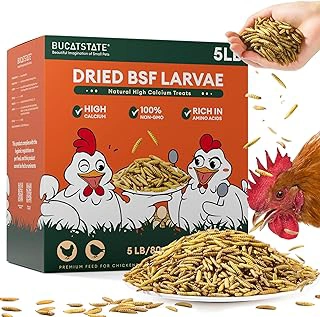
this product 5LB Dried Black Soldier Fly Larvae, High Protein Non-GMO BSFL
Black soldier fly larvae offer one of the highest protein concentrations available in a dried treat form, making them a focused choice when birds are replacing feathers. The this product 5LB package delivers that density in a quantity designed for multi-bird flocks or extended feeding periods during the molt cycle.
Each larva is naturally rich in protein and calcium, two nutrients feather shafts and quills require in higher amounts as they grow. The dried format stores at room temperature without refrigeration, so you can keep the bag in a coop shed or feed room and scoop portions as needed. The 5-pound size suits flocks of six to twelve birds through a typical six-week molt window, or it can serve as a year-round supplement mixed into scratch or offered separately.
The non-GMO designation indicates the larvae were raised on verified feed sources, which matters to owners who track input quality across their flock's diet. Because the larvae are whole and dry, birds work to pick and peck at each piece, adding a foraging element that keeps them engaged even when outdoor scratching slows during feather regrowth.
Compared to smaller one- or two-pound bags, the 5-pound option reduces per-ounce cost and the frequency of reorders. If your flock size is smaller or you want to test palatability before committing to a larger quantity, a smaller trial bag may make more sense initially.
This product suits flocks actively molting or any situation where concentrated protein supports egg production, growth, or recovery. Scatter a handful each morning or mix into regular feed to boost protein intake without adding bulk.
- ✅ High protein and calcium density supports feather regrowth
- ✅ 5-pound size offers value for multi-bird flocks or extended feeding
- ✅ Shelf-stable dried format requires no refrigeration
- ✅ Non-GMO larvae raised on verified feed sources
- ✅ Whole larvae encourage natural foraging behavior
- ⚠️ Large quantity may exceed needs for very small flocks
- ⚠️ Higher upfront cost compared to smaller trial bags
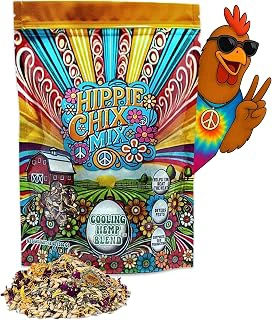
Hippie Chix Mix Cooling Hemp Blend – Chicken Supplement for Heat Stress & Hydration – High-Protein Herbal Poultry Feed Supplement for Egg Production, Molting, Immunity & Pest Control
Hippie Chix Mix Cooling Hemp Blend offers a multi-ingredient approach for flock keepers who want to address molting alongside heat stress and general wellness. The herbal formula includes hemp seeds, which contribute protein and omega fatty acids, paired with Hippie Chix Mix Cooling Hemp Blend – Chicken Supplement for Heat Stress & Hydration – High-Protein Herbal Poultry Feed Supplement for Egg Production, Molting, Immunity & Pest Control chosen for their cooling and hydration properties. This makes the supplement relevant during late-summer molts, when birds face both feather regrowth demands and warm weather.
The blend is designed to support egg production, immunity, and pest control at the same time, so it functions as an all-season option rather than a molt-specific concentrate. If your flock experiences overlapping stressors - such as molting during temperature swings or pest pressure - the combined herbal profile may be more practical than rotating single-ingredient treats. The hemp content adds a moderate protein boost without the intensity of dried mealworms or black soldier fly larvae, which can be an advantage for birds that respond better to gentler supplementation.
However, the multi-purpose design means protein levels are lower than dedicated high-protein treats. Birds in hard molt may need additional protein sources to meet the multiple% range most helpful for feather regrowth. The herbal ingredients also introduce flavors and textures some flocks may take time to accept, particularly if they are accustomed to insect-based or seed treats.
Use Hippie Chix Mix when you want a holistic supplement that addresses molting as one piece of a broader wellness routine. It pairs well with a quality layer feed and works best for keepers who value botanical support and are comfortable supplementing protein separately if the molt is severe. At $28.99, it sits at a higher price point than single-ingredient options, reflecting the blend's complexity and the inclusion of hemp.
- ✅ Multi-ingredient herbal blend addresses molting, heat stress, and immunity together
- ✅ Hemp seeds provide protein and omega fatty acids in a gentler profile
- ✅ Suitable for late-summer molts when birds face temperature and feather-regrowth stress
- ✅ All-season formulation reduces the need to rotate multiple supplements
- ⚠️ Lower protein concentration than dedicated insect or high-protein treats
- ⚠️ Herbal flavors may require an adjustment period for some flocks
- ⚠️ Higher cost reflects blend complexity, less economical for molt-only use
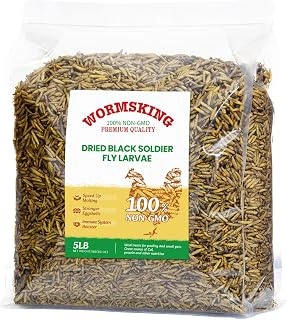
WORMSKING 5LB Dried Black Soldier Fly Larvae, High Protein Poultry Treats
The WORMSKING 5LB package delivers dried black soldier fly larvae in a bulk format designed for keepers who want a steady supply of high-protein treats without frequent reordering. At $28.99, this option sits in the mid-range for volume, offering more larvae per dollar than single-pound pouches but less savings than some ten-pound competitors. The 4.7-star rating reflects consistent satisfaction with quality and value.
Black soldier fly larvae bring protein levels similar to mealworms, supporting feather regrowth and energy during molting seasons. The five-pound size works well for flocks of six to twelve birds, providing several weeks of daily supplementation without taking up excessive pantry space. The dried format means no refrigeration and minimal odor, making storage straightforward on a shelf or in a feed bin.
Compared to the WORMSKING 5LB Dried Black Soldier Fly Larvae, High Protein Poultry Treats option reviewed earlier, WORMSKING offers a middle ground: smaller than a ten-pound bulk order but larger than trial sizes. Keepers who have used both one-pound and ten-pound bags often find five pounds balances freshness and convenience - the larvae stay palatable through the molt cycle without risk of staleness. The packaging is resealable, though some users transfer contents to airtight containers for longer-term humidity control.
Protein content supports not only feather development but also appetite during the stress of molting, when hens may eat less of their regular layer feed. A tablespoon per bird every other day keeps intake moderate and helps reduce the chance of over-reliance on treats. This size also suits keepers who rotate protein sources - alternating black soldier fly larvae with sunflower seeds or cooked eggs - to give birds variety without waste.
For flocks needing consistent, high-protein treats during molt or off-season egg production dips, this five-pound package strikes a practical balance between cost, storage, and shelf life.
- ✅ Mid-range bulk size balances cost and freshness for medium flocks
- ✅ 4.7-star rating reflects reliable quality and customer satisfaction
- ✅ Resealable packaging simplifies storage without refrigeration
- ✅ High protein content supports feather regrowth and energy during molt
- ⚠️ Less per-pound savings than ten-pound bulk options
- ⚠️ May require airtight transfer for extended humidity control
Other Essential Care Tips for a Molting Flock
- Reduce stress by minimizing handling and flock changes during molt
- Provide clean, fresh water at all times to support feather growth
- Check for signs of illness or parasites, which can worsen during molt
- Expect reduced or stopped egg production until feathers fully regrow
- Add extra bedding to keep chickens comfortable as they lose insulation
- Avoid introducing new birds until molt is complete to reduce stress