We may earn a commission when you buy through links on this page, at no extra cost to you. How this works.
If you're ready to grow your own vegetable transplants from seed but struggle with slow or uneven germination, this guide is for you. A heat mat provides gentle, consistent warmth from below, which many warm-season crops need to sprout reliably indoors.
Without bottom heat, tomato, pepper, and eggplant seeds can take weeks to emerge - or fail entirely if your room is too cool. A good seedling heat mat solves that problem by maintaining the ideal soil temperature, often boosting germination speed and success rates.
We've selected four dependable mats that cater to different needs: precise temperature control, durability, larger grow operations, and budget-conscious gardeners. Each has been verified for availability and specs, so you can choose with confidence.
Use the matching tool first
Start with Beginner Organic Garden Setup Checklist if you want to narrow the fit before checking current offers.

LUXBIRD Waterproof Seedling Heat Mats with Digital Thermostat Controller
This mat pairs reliable heating with a digital thermostat controller, giving you precise temperature management. You can dial in the exact soil temperature your seeds need, avoiding the guesswork that comes with unregulated mats.
The waterproof construction handles the inevitable spills and splashes of indoor seed starting. Imagine you're germinating a tray of heirloom tomatoes and a tray of sweet peppers side by side - you can monitor and adjust the heat to suit both without overheating one or underheating the other.
At $59.99, it's a mid-range investment that offers the control serious gardeners appreciate. The digital display is easy to read, and the mat heats evenly. If you want to fine-tune germination conditions and protect your investment in specialty seeds, this setup is worth considering.
- ✅ Includes digital thermostat for precise control
- ✅ Waterproof design for messy seed-starting environments
- ✅ Even heat distribution across the mat
- ⚠️ Higher initial cost than basic mats
- ⚠️ Thermostat adds another component to manage

BN-LINK Seedling Heat Mat, 10 x 20.75-Inch
BN-LINK has built a reputation for durable, no-frills gardening equipment, and this mat lives up to that standard. It's a straightforward 10×20.75-inch mat that fits a standard seed tray perfectly, with a 4.6 rating reflecting its dependability.
The mat raises soil temperature by about 10-20°F above ambient air, which is ideal for most vegetable seeds. Picture starting a batch of basil and cucumber seeds in early spring - this mat provides the gentle warmth they need without any complicated setup.
At $23.49, it's an affordable entry point. You won't get a thermostat with this model, so you'll need to monitor temperatures manually or pair it with a separate controller if you want precise regulation. For beginners who want reliable heat without extra features, this is a solid, proven choice.
- ✅ Highly rated for reliability and durability
- ✅ Fits standard 10×20 seed trays perfectly
- ✅ Affordable price point for beginners
- ⚠️ No built-in thermostat
- ⚠️ Limited size options

BN-LINK Waterproof Seedling Heat Mats for Seed Starting
If you're scaling up your seed starting operation or need to warm multiple trays at once, this larger BN-LINK mat offers expanded coverage. The waterproof surface handles heavy use, and the increased size means you can fit several trays or larger flats without crowding.
Suppose you're starting enough transplants for a quarter-acre garden - this mat can accommodate the volume. The same reliable BN-LINK heating technology spreads across a bigger footprint, maintaining even warmth.
Priced at $62.99, it's a step up in both size and cost. You'll need adequate shelf or table space, and pairing it with a thermostat (sold separately) is wise for long-term use. For homesteaders who start seeds in batches or grow for market, this mat supports larger ambitions while keeping quality high.
- ✅ Larger surface area for multiple trays
- ✅ Waterproof and durable construction
- ✅ Trusted BN-LINK quality
- ⚠️ Higher price reflects larger size
- ⚠️ Requires more space and potentially a separate thermostat
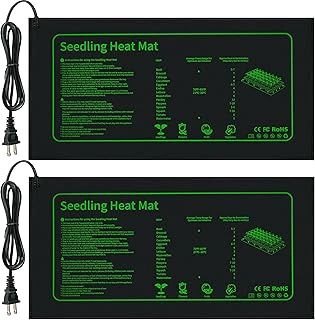
LOCONHA 10" x 20.75" Waterproof Seedling Heat Mat for Indoor Plant Germination
For gardeners just getting started or those on a tight budget, this LOCONHA mat delivers essential heating performance without breaking the bank. At $20.99, it's the most affordable option on our list, yet it still provides the waterproof protection and reliable warmth you need.
The standard 10×20.75-inch size fits one seed tray comfortably. Imagine you're testing the waters with your first round of pepper seedlings - this mat gives you a low-risk way to see the benefits of bottom heat firsthand.
It lacks a thermostat, so you'll want to keep an eye on soil temperatures with a thermometer. The 4.3 rating suggests it performs well for basic use. If you're starting small or want to try seedling heat mats before committing to a pricier setup, this is a practical, budget-friendly choice.
- ✅ Lowest price point for budget-conscious gardeners
- ✅ Waterproof design protects against moisture
- ✅ Standard size fits most seed trays
- ⚠️ No thermostat included
- ⚠️ May require manual temperature monitoring
Why Consistent Bottom Heat is Crucial for Germination
Seeds are living organisms waiting for the right cues to wake up. Temperature is one of the most important triggers. Many vegetable seeds, especially heat-lovers like peppers and basil, need soil temperatures between 70°F and 85°F to germinate quickly.
Room temperature air doesn't always translate to warm soil, particularly if you're starting seeds in a basement or garage. A heat mat warms the growing medium directly, creating the cozy environment seeds expect.
Faster germination means healthier seedlings with more time to develop before transplant day. It also reduces the window when damping-off disease can strike. Bottom heat doesn't replace good light or proper watering, but it's a game-changer for reliable sprouting.
Our Top 4 Picks for Seedling Heat Mats
We've narrowed down the options to four heat mats that balance performance, value, and practical features. Each product has been verified for current availability and specifications.
You'll find a best overall pick with a built-in thermostat, a durable workhorse from a trusted brand, a larger mat for multi-tray setups, and a budget-friendly option that still delivers results. These mats fit standard 10×20 seed trays or larger configurations, depending on your space and ambitions.
Read through each review to see which aligns with your seed-starting goals and homestead layout.
How to Choose the Right Heat Mat for Your Setup
Start by counting how many seed trays you plan to run at once. A single standard mat works for one tray, but if you're starting seeds for a large garden or sharing with neighbors, a larger mat or multiple units make sense.
Consider whether you want a thermostat. Mats without one are cheaper and simpler, but you'll need to monitor soil temperature yourself. A thermostat adds precision and can prevent overheating, which is helpful if you're growing a mix of crops with different heat preferences.
Check your available space and power outlets. Heat mats need a flat, stable surface away from water sources, and you'll want access to electricity. Finally, think about durability - waterproof mats handle the realities of watering and humid environments better than basic models.
Key Features Explained: Size, Wattage, and Safety Certifications
Size matters because your mat needs to fit your seed trays without wasted space or gaps. Standard 10×20 mats are the most common and versatile. Larger mats work for multiple trays or bigger flats.
Wattage determines how much heat the mat can produce. Most seedling mats range from 17 to 45 watts, which is enough to raise soil temperature 10-20°F above room temperature. Higher wattage isn't always better - you want gentle, consistent warmth, not a hot plate.
Look for safety certifications like UL or ETL listings, which confirm the mat has been tested for electrical safety. Waterproof or water-resistant construction is essential since seed starting involves constant moisture. These features protect both you and your investment.
Safety First: Proper Use and Care for Your Heat Mat
Always place your heat mat on a flat, hard surface - never directly on carpet or fabric, which can trap heat and create a fire hazard. Use a waterproof tray or plastic sheet underneath to catch any drips or spills.
Avoid letting water pool on the mat itself, even if it's labeled waterproof. Wipe up spills promptly and unplug the mat when not in use or when watering heavily. Don't cover the mat with anything other than your seed tray; airflow around the edges helps prevent overheating.
Check the mat regularly for any damage like fraying cords or cracks in the surface. If you spot issues, replace it rather than risk electrical problems. Store mats flat in a dry place during the off-season to extend their lifespan.
FAQ: Answering Your Seed Starting Heat Mat Questions
Do all seeds need a heat mat? No. Cool-season crops like lettuce and spinach germinate fine at room temperature. Heat mats benefit warm-season vegetables like tomatoes, peppers, eggplants, cucumbers, and melons.
Can I leave the mat on 24/7? Yes, most mats are designed for continuous use during germination. Once seeds sprout, you can often turn off the heat unless you're growing tropical plants that need ongoing warmth.
How hot do seedling heat mats get? Most raise soil temperature 10-20°F above ambient air. A room at 65°F might see soil temps around 75-85°F, which is ideal for most warm-season seeds.
Do I need a separate thermostat? Not always, but it helps. A thermostat prevents overheating and lets you set exact temperatures. Mats without one work fine if you monitor manually.