We may earn a commission when you buy through links on this page, at no extra cost to you. How this works.
If you've ever stood in the garden aisle or scrolled through soil amendment options online, you've probably wondered whether you need compost, worm castings, or both. You're not alone - many homesteaders and gardeners find themselves confused about the difference between these two popular soil builders.
At first glance, compost and worm castings might seem interchangeable. Both are dark, crumbly, and promise to improve your garden soil. But they're created through different processes, deliver nutrients in different ways, and work best in different situations.
In this guide, we'll break down exactly what sets compost and worm castings apart, explain how each one benefits your garden soil, and help you decide when to reach for one over the other. Whether you're building new beds, top-dressing established plants, or mixing your own potting blends, understanding these differences will help you make smarter choices for healthier plants and better harvests.
The Quick Answer: How Compost and Worm Castings Differ
At their core, compost and worm castings both enrich garden soil, but they arrive at that goal through entirely different processes and deliver distinct benefits.
Compost is decomposed organic matter - think food scraps, leaves, grass clippings, and yard waste - broken down by billions of microbes, fungi, and bacteria. The process often generates heat as microorganisms consume the material, turning it into a dark, crumbly soil amendment. Composting typically takes weeks to months, depending on conditions like moisture, aeration, and the mix of brown and green materials. The finished product is rich in organic matter, improves soil structure, and introduces beneficial microbes that support plant health.
Worm castings, on the other hand, are the digested output of earthworms - most commonly red wigglers - that consume organic waste and excrete it as fine, concentrated granules. This process, called vermicomposting, is cooler and slower than traditional composting, relying entirely on the worms' digestive systems rather than heat-generating microbial activity. The result is a nutrient-dense, odor-free material with a texture closer to coffee grounds than to traditional compost. Worm castings are especially high in available nutrients and beneficial microbes, and they release those nutrients gradually as plants need them.
Both amendments improve soil, but compost functions primarily as a soil conditioner - adding bulk, improving drainage in clay soils, and increasing water retention in sandy soils. Worm castings act more like a gentle, slow-release fertilizer with excellent soil-conditioning properties packed into a smaller volume. You can use them separately or together, depending on your garden's needs and what you have available.
What Compost Does for Your Garden Soil
Compost transforms your garden soil by adding organic matter that improves structure, water retention, and the living ecosystem beneath the surface. When you work compost into your beds, you're building a foundation that supports healthier root systems and more resilient plants over time.
The primary role of compost is as a soil conditioner. It breaks up heavy clay, helping water drain more efficiently, and it binds sandy soils together so they hold moisture longer. This structural improvement creates pore space for air and water movement, which roots need to grow deep and strong.
Compost also feeds the beneficial microbes, fungi, and earthworms that keep soil healthy. As these organisms break down the organic matter, they release nutrients slowly - nitrogen, phosphorus, potassium, and trace minerals - giving plants a steady supply rather than a quick burst. This slow-release nature means compost won't burn tender roots or leach away after heavy rain.
Moisture retention is another key benefit. Compost acts like a sponge in the soil, holding water during dry spells and reducing how often you need to irrigate. In hot climates or raised beds that dry out quickly, this can make a noticeable difference in plant performance.
Because compost works best in larger volumes - typically mixed into the top several inches of soil or used as mulch - it's a practical choice for building new beds, refreshing tired garden plots, or topdressing around established perennials and shrubs. You're not looking for a concentrated boost; you're creating an environment where plants can thrive season after season.
What Worm Castings Do for Your Garden Soil
Worm castings - sometimes called vermicompost - are the digested material earthworms leave behind after processing organic matter. Unlike traditional compost, which is produced through microbial decomposition, worm castings are created inside the worm's gut, where organic material is broken down and enriched with enzymes, beneficial bacteria, and plant-available nutrients.
The result is a fine-textured, odorless material that's far more concentrated than regular compost. Worm castings contain higher levels of nitrogen, phosphorus, and potassium in forms plants can absorb immediately. They also supply humic acids and microorganisms that improve nutrient uptake and support healthy root development.
Because worm castings are so nutrient-dense, you use them in much smaller quantities than compost. A handful mixed into potting soil, sprinkled around transplants, or top-dressed over garden beds can provide a steady nutrient boost without overwhelming plants. They're especially useful for container gardening, starting seeds, and feeding heavy feeders like tomatoes and peppers.
Worm castings also enhance soil biology. The microbes they introduce help break down organic matter, suppress certain soil pathogens, and improve the overall microbial balance in your garden. This makes them a valuable supplement for building long-term soil health, even in beds that already receive compost.
Think of worm castings as a concentrated fertilizer and soil conditioner rolled into one. They don't replace compost's role as a bulk soil builder, but they complement it by delivering a potent dose of nutrients and beneficial organisms exactly where your plants need them most.
Key Differences at a Glance
- Compost is made from decomposed organic matter; worm castings are earthworm-digested material
- Compost is used in larger volumes (mixed into beds); worm castings are concentrated and used sparingly
- Compost improves soil structure and moisture retention; worm castings boost nutrient availability
- Compost takes weeks to months to produce; worm castings require vermicomposting setup and worm population
- Both are organic and safe for all garden plants
- You can use both together for maximum soil health benefits
When to Use Compost vs. Worm Castings
Choosing between compost and worm castings depends on what your garden needs at the moment. Each serves a different purpose, and understanding when to reach for one over the other will help you use both more effectively.
Use compost when you're building new beds, refreshing tired soil, or working with problem soils like heavy clay or loose sand. Compost adds bulk and organic matter, which improves soil structure, water retention, and aeration over time. It's ideal for fall or spring soil prep, mixing into planting holes, or spreading as mulch. Because compost is relatively inexpensive and available in larger volumes, it's the practical choice for covering ground and feeding the broader soil ecosystem.
Use worm castings when you need a nutrient boost without changing soil texture. They're especially useful for transplanting seedlings, feeding heavy feeders like tomatoes and peppers, top-dressing potted plants, or side-dressing vegetables mid-season. Worm castings deliver a concentrated dose of nutrients in a form plants can absorb quickly, making them valuable when space is limited or when you want to give specific plants extra attention.
Worm castings are also gentle enough to use near young roots and won't burn plants, even when applied generously. This makes them a safer option than synthetic fertilizers when working with delicate seedlings or container gardens.
You don't have to choose one or the other. Many gardeners use compost as the foundation - mixing it into beds each season - and then apply worm castings as a targeted supplement. For example, you might work compost into a vegetable bed in spring, then side-dress your tomatoes with worm castings once they start setting fruit. This combination gives you both the structure-building benefits of compost and the nutrient density of worm castings.
If budget is a concern, prioritize compost for large-scale soil improvement and reserve worm castings for high-value plants or situations where a little goes a long way. If you're gardening in containers or raised beds with limited soil volume, worm castings offer more nutrient punch per pound, making them worth the higher cost.
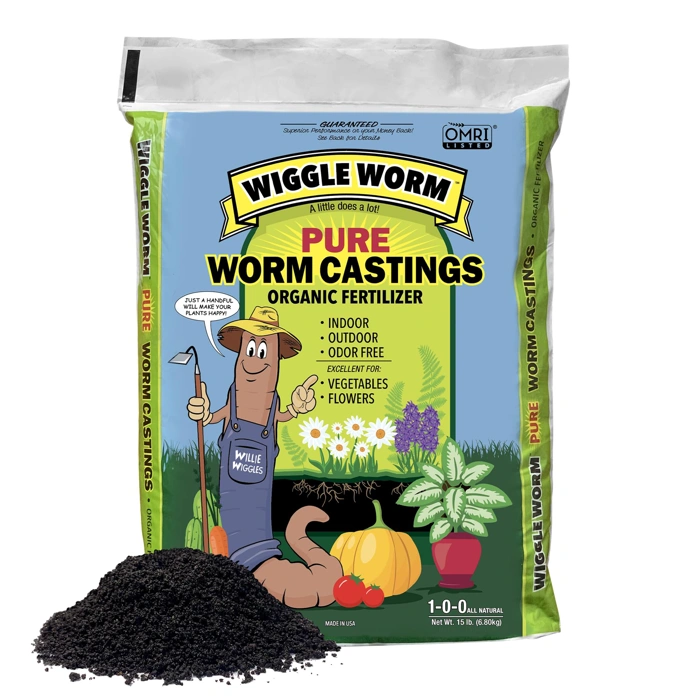
Wiggle Worm 100% Pure Organic Mineral-Dense Worm Castings Fertilizer, 15lbs
If you want the benefits of worm castings without maintaining your own vermicomposting bin, Wiggle Worm 100% Pure Organic Mineral-Dense Worm Castings Fertilizer offers a ready-to-use option. This 15-pound bag delivers concentrated castings that work well as a top dressing for containers, a boost for seedlings, or a supplement mixed into planting holes.
Because worm castings are naturally rich in beneficial microbes and nutrients in forms plants can readily absorb, they make a useful addition when you need more than what standard compost provides. The 15-pound size suits moderate garden use - enough to treat several containers or amend small beds without committing to bulk quantities.
With a 4.8 out of 5 rating, users appreciate the fine texture and the organic certification, which aligns with chemical-free gardening goals. The product is priced at $25.97, positioning it as a focused investment for gardeners who prioritize nutrient density over volume.
Use this product when you want the microbial activity and plant-available nutrients of castings but don't have space or time for worm bins. It works especially well for starting seeds, feeding houseplants, or supplementing transplant holes where a little goes a long way. For general bed building or mulching, traditional compost remains more economical per cubic foot.
- ✅ Pure, concentrated worm castings ready to use
- ✅ 15-pound size suitable for moderate garden applications
- ✅ Organic certification supports chemical-free gardening
- ✅ Fine texture mixes easily into soil or potting mix
- ✅ High user rating reflects consistent quality
- ⚠️ Higher cost per pound compared to bulk compost
- ⚠️ Limited volume for large-scale bed amendment
- ⚠️ Requires careful application to maximize value
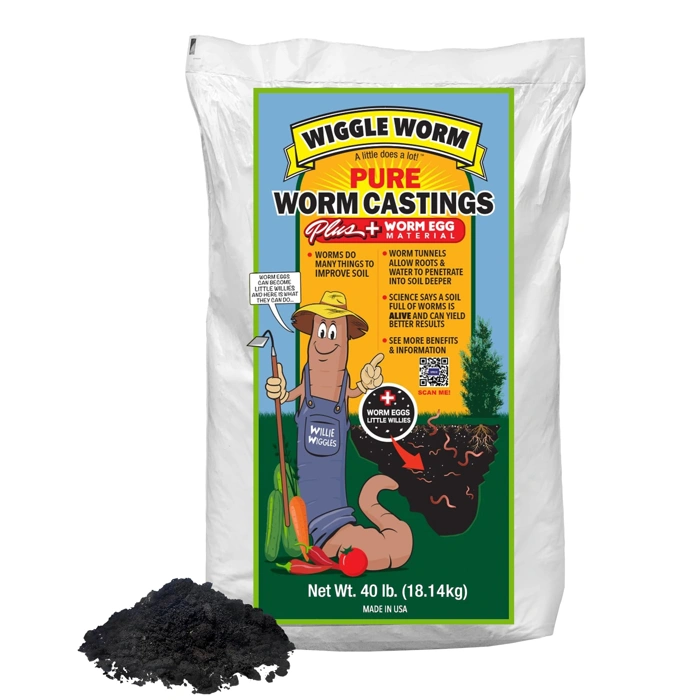
Wiggle Worm 100% Pure Worm Castings Plus Worm Egg Material, 40lbs
The Wiggle Worm 100% Pure Worm Castings Plus Worm Egg Material comes in a 40-pound bag, making it a practical choice for gardeners managing larger beds or using castings regularly throughout the growing season. At $42.99, the cost per pound is lower than smaller packages, which appeals to homesteaders and market gardeners who apply castings as a routine soil amendment.
This product includes worm egg material along with the castings themselves. That means you're not only adding finished worm castings to your soil - you're also introducingcocoons that can hatch and establish a small population of beneficial worms in your garden beds over time. This can gradually expand the soil biology in place, especially in raised beds or in-ground plots where conditions support worm activity.
The 40-pound size requires some storage planning. The bag is bulky, so you'll want a dry spot in a shed or garage. If you're side-dressing rows, topdressing perennials, or mixing castings into potting blends for seedlings, this volume lets you work without running out mid-season. It's also easier to share with neighbors or split the cost if you're part of a garden co-op.
With a 4.6 out of 5 rating, users generally report consistent quality and good results when mixed into garden soil or used as a top layer around transplants. The inclusion of egg material is a bonus for gardeners interested in building long-term soil health, though it won't replace a full worm bin if you're looking to process kitchen scraps on an ongoing basis.
This option fits well for anyone who's moved beyond small trial bags and wants to incorporate worm castings into their regular soil-building routine. The price point and volume make it a solid fit for homesteaders, community gardens, or growers maintaining multiple raised beds season after season.
- ✅ 40-pound bag offers lower per-pound cost for regular users
- ✅ Includes worm egg material to help establish beneficial worms in beds
- ✅ Suitable for larger gardens, multiple raised beds, or ongoing seasonal use
- ✅ 4.6 out of 5 rating reflects consistent quality
- ⚠️ Bulky 40-pound bag requires dry storage space
- ⚠️ Worm eggs need suitable soil conditions to hatch and establish
- ⚠️ Large volume may be more than occasional gardeners need
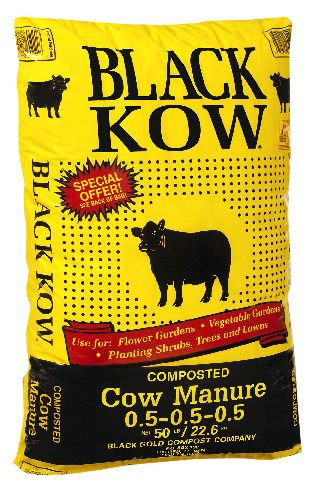
Black Kow Composted Cow Manure 35 lb Bag
Black Kow Composted Cow Manure offers a straightforward option for gardeners looking to add organic matter in larger volumes. This 35-pound bag delivers composted manure that works well when mixed into garden beds to improve soil structure and provide slow-release nutrients over time.
Composted cow manure functions similarly to traditional compost: it breaks down gradually in the soil, feeding beneficial microbes and helping sandy soils hold moisture while loosening heavy clay. The composting process breaks down raw manure into a stable, earthy material that won't burn plant roots the way fresh manure would.
This product suits gardeners preparing new beds, refreshing vegetable gardens between seasons, or working organic matter into larger planting areas where bulk coverage matters more than precision. The 35-pound format makes it practical for amending multiple square feet of garden space without needing to haul numerous small bags.
Keep in mind that composted manure delivers a different nutrient profile than worm castings. It adds organic bulk and slow-release fertility, but it doesn't offer the concentrated nutrient density or microbial activity level that worm castings provide. For building soil structure and feeding the soil food web in larger spaces, composted cow manure like Black Kow serves as a practical, budget-conscious amendment.
- ✅ 35-pound bag covers larger garden areas efficiently
- ✅ Composted format is safe for direct soil application
- ✅ Improves soil structure while adding slow-release nutrients
- ✅ Practical choice for bulk soil building projects
- ⚠️ Less nutrient-dense than worm castings per pound
- ⚠️ Requires mixing into soil rather than top-dressing
- ⚠️ Heavier bags may be less convenient for smaller gardens
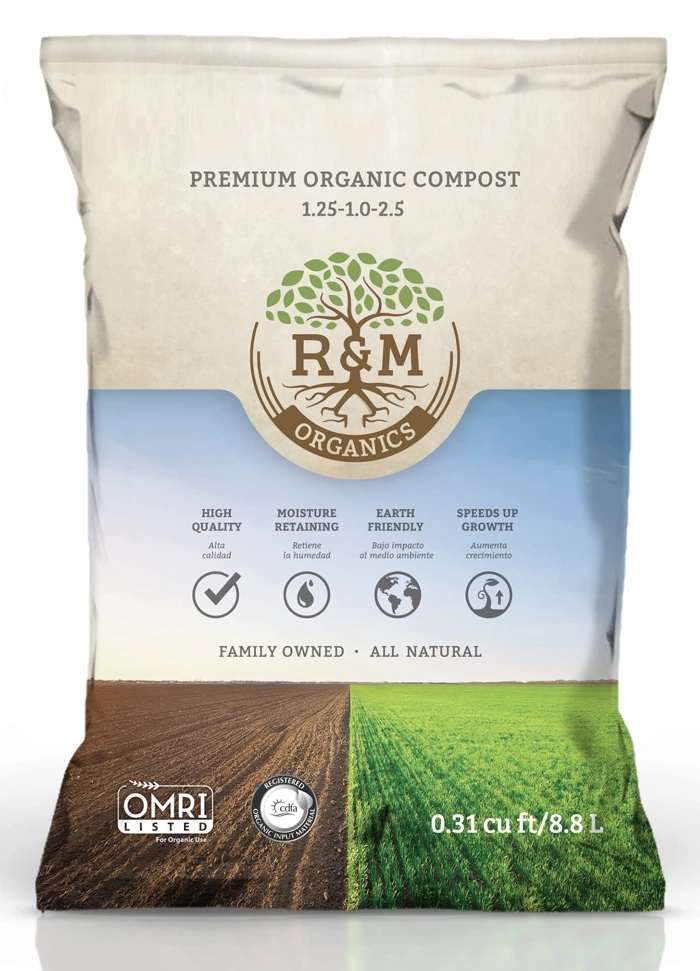
R&M Organics Premium Organic Compost 10-Pound Bag
The R&M Organics Premium Organic Compost arrives in a 10-pound bag and carries a 4.7-out-of-5 rating. This ready-to-use compost is packaged at a scale that fits small raised beds, container gardens, and anyone looking to amend soil without committing to bulk quantities.
Because it arrives bagged and ready, there's no need to turn piles, monitor moisture, or wait months for decomposition. You open the bag and work it directly into planting holes or top-dress around existing plants. This convenience appeals to gardeners in apartments, townhomes, or urban lots where space for a compost bin is limited.
The 10-pound size also makes this a practical choice if you want to compare compost performance against worm castings in a side-by-side trial. You can amend one bed with compost and another with castings, observe differences in plant response, and decide which amendment suits your soil and crops without a large upfront investment.
At $24.49, the per-pound cost is higher than bulk compost delivered by the yard, but the tradeoff is portability, clean handling, and no minimum-order logistics. For small-scale gardeners or those testing compost quality before scaling up, this bag offers an accessible entry point to organic matter amendment.
- ✅ 10-pound bag suits container gardens and small raised beds
- ✅ Ready to use - no waiting for decomposition or pile management
- ✅ 4.7/5 rating reflects consistent user satisfaction
- ✅ Convenient size for comparing compost and worm castings side by side
- ⚠️ Higher per-pound cost compared to bulk compost
- ⚠️ 10-pound quantity may require multiple bags for larger garden plots
Simple Next Steps for Your Garden
The best way to understand the difference between compost and worm castings is to use them in your garden. Start with whichever you have easier access to - both will improve your soil and support healthier plants.
If you already have kitchen scraps and yard waste, consider building a simple compost pile or bin. Composting is a low-cost way to recycle organic material and produce a steady supply of soil amendment. It takes a few months, but the volume you get makes it practical for feeding larger garden beds, filling raised beds, or top-dressing lawns.
If space is limited or you want a faster, odor-free option indoors or on a balcony, a small worm bin is a great choice. Worm castings take less time to produce, require minimal space, and deliver a concentrated amendment that works well for containers, seedlings, and targeted feeding around heavy feeders like tomatoes and peppers.
Not ready to make your own? Bagged compost and worm castings are widely available at garden centers and online. Trying both side by side in different parts of your garden is a practical way to see how each one performs in your soil and climate.
For the best results, use them together. Apply compost as your base layer to build soil structure, water retention, and overall fertility. Then add worm castings around plants that need an extra boost or mix them into potting soil for containers. This combination gives you the volume and long-term benefits of compost plus the concentrated nutrients and microbial activity of worm castings.
Whichever path you choose, you're moving toward healthier soil, stronger plants, and better harvests. Start small, observe what works, and adjust as you learn what your garden responds to best.