We may earn a commission when you buy through links on this page, at no extra cost to you. How this works.
CulinVerse Food Dehydrator, 1000W Stainless Steel with 8 Trays and Timer
Comparing heat, time, and nutrient retention for your herb harvest.
When you harvest basil, oregano, or mint from your homestead garden, the way you dry those herbs determines whether you lock in their essential oils, vitamins, and flavor or watch them fade to dust. Solar and electric food dehydrators each take a different path to the same goal, and the method you pick affects nutrient retention, upfront investment, and how much control you hold over temperature and airflow.
Solar dehydrators rely on sunlight and passive ventilation. They cost little to run but depend on weather and deliver less precision. Electric models plug into household power, maintain steady heat, and finish batches faster, yet they add to your utility bill and introduce another appliance to your homestead toolkit.
This guide walks through how each type works, what the science says about nutrient preservation during low-heat drying, and which scenarios favor solar over electric - or the reverse. If you grow your own herbs and want them to taste vibrant and retain their this product compounds months after harvest, understanding these tradeoffs will help you choose the dehydrator that matches your climate, budget, and batch size.
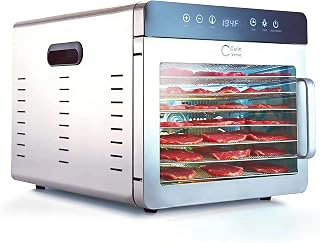
CulinVerse Food Dehydrator, 1000W Stainless Steel with 8 Trays and Timer
The CulinVerse Food Dehydrator delivers multiple of drying power across eight stainless steel trays, giving homesteaders the capacity and control to process large herb harvests indoors without weather delays. Its built-in timer lets you set a run and walk away, which matters when you're juggling chores or drying multiple batches in a single afternoon.
Stainless steel construction resists moisture and herb oils better than plastic, so cleanup stays simple and the unit holds up through repeated harvests. The 8-tray design means you can spread out a week's worth of basil, oregano, or mint in a single session, maintaining airflow around each leaf for even drying. Temperature control remains consistent regardless of outdoor humidity or cloud cover, so you get predictable results batch after batch.
At $199.00, this electric model costs more upfront than a passive solar dehydrator, but it removes the guesswork: you choose the temperature, set the timer, and the machine handles the rest. That reliability suits growers who need to dry herbs quickly after cutting, preserving volatile oils and color before they fade. The indoor footprint is compact enough for a kitchen counter or pantry shelf, and you're never waiting on sunshine.
Trade-offs include the ongoing electricity cost and the hum of the fan during operation. If you dry herbs frequently or live in a region with unpredictable weather, the CulinVerse offers the speed and consistency that solar units can't match. For occasional small batches in a sunny climate, a solar dehydrator may suffice, but when volume and timing matter, electric power wins.
- ✅ 1000W power dries large herb batches quickly
- ✅ 8 stainless steel trays for high capacity
- ✅ Built-in timer for hands-off operation
- ✅ Consistent temperature regardless of weather
- ⚠️ Higher upfront cost at $199.00
- ⚠️ Requires electricity for each batch
- ⚠️ Fan noise during operation
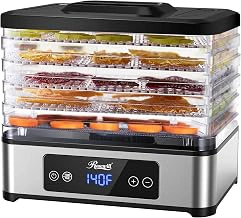
Rosewill Compact Food Dehydrator, 5 Trays with Timer and Temperature Control, 400W
The Rosewill Compact Food Dehydrator offers a practical introduction to electric herb drying without stretching your budget. Priced at $39.99, this 400W unit includes five removable trays, a built-in timer, and adjustable temperature control - features that give you more precision than passive solar models while keeping the investment modest. For homesteaders testing electric drying for the first time or working with smaller weekly herb harvests, this compact design fits easily on a kitchen counter and won't dominate your prep space.
Temperature control matters when you're drying delicate basil, oregano, or mint. Unlike solar units that rely on ambient heat and airflow, the Rosewill lets you dial in a consistent setting, reducing the risk of over-drying thin leaves or under-drying thicker stems. The timer function adds convenience: set your batch in the morning, and the unit shuts off automatically rather than requiring you to monitor weather or sunlight hours. Five trays provide enough capacity for a few bunches of mixed herbs, though larger harvests will need multiple rounds.
Build quality reflects the entry-level price. The trays and housing are lightweight plastic, and airflow is less even than stackable models with rear-mounted fans. You may need to rotate trays midway through longer sessions to ensure uniform drying. Noise is minimal, and the 400W draw means you can run it without a noticeable spike on your utility bill. If you're weighing the switch from solar to electric and want to preserve more delicate herb batches without committing to a premium dehydrator, this Rosewill model delivers the core controls at a price that makes experimentation affordable. It's a sensible starter option when consistent temperature and automatic shutoff outweigh the portability and zero-energy appeal of solar drying.
- ✅ Affordable at $39.99
- ✅ Timer and adjustable temperature control for consistent results
- ✅ Compact five-tray design fits smaller spaces and moderate herb batches
- ✅ Low 400W power draw keeps operating costs minimal
- ⚠️ Lightweight plastic construction feels less durable than premium models
- ⚠️ Airflow may require mid-session tray rotation for even drying
- ⚠️ Limited capacity for larger harvests
How Dehydration Affects Nutrient Content in Herbs
The moment you harvest fresh herbs, enzymes and exposure to air begin breaking down delicate compounds - particularly the volatile oils that carry flavor and many this product properties. Dehydration slows this degradation by removing moisture, but the method you choose directly affects how much you preserve.
Heat is the biggest variable. Temperatures above 95°F start to degrade volatile oils in most culinary and medicinal herbs, while sustained exposure above 115°F can destroy enzymes and reduce potency noticeably. Lower temperatures protect these compounds but require longer drying times, which introduces a different risk: the slower you dry, the more opportunity mold and oxidation have to take hold if airflow is inadequate.
Airflow matters as much as temperature. Stagnant air traps moisture around the herb surface, creating pockets where degradation accelerates. Consistent, gentle circulation pulls moisture away without overdrying the outer leaves before the stems release their water. Uneven drying leaves you with crumbly leaves and chewy stems, or worse, hidden moisture that invites spoilage in storage.
Time compounds every other factor. A batch that dries in six hours at moderate heat often retains more color, aroma, and oil content than one that takes three days in fluctuating conditions, even if the peak temperature stays lower. The goal is to reach that brittle, crumbly texture quickly enough to prevent spoilage but gently enough to keep volatile compounds intact.
Understanding these three forces - heat, airflow, and time - gives you the framework to evaluate any drying method, whether it runs on sunlight or electricity, and to predict which will serve your harvest best.
What is a Solar Dehydrator? Pros and Cons for Homesteaders
A solar dehydrator uses sunlight to dry food without electricity, relying on passive heat and air circulation through a vented chamber. Most designs include a dark interior to absorb heat, a transparent top to trap warm air, and screened vents that pull moisture out as temperatures rise.
The biggest advantage is zero operating cost once you build or buy the unit. Solar drying also generates gentler temperatures than many electric models, which can help preserve color and volatile compounds in delicate herbs like basil and mint. For homesteaders already working outside or running off-grid systems, a solar box fits naturally into daily routines.
Weather dependency is the main limitation. Cloud cover, humidity, and short winter days all slow drying or stop it completely, and you cannot start a batch at night. Drying times stretch across multiple sunny days, and temperature control is impossible - internal heat rises and falls with the sun. That unpredictability makes solar dehydrators better suited to small batches during peak harvest rather than year-round preservation at scale.
If you have consistent sun, patience, and modest herb volumes, a solar dehydrator removes energy costs and works well for seasonal drying. When speed, precision, or all-weather reliability matter more, the lack of control becomes a real constraint.
What is an Electric Dehydrator? Pros and Cons for Homesteaders
An electric food dehydrator uses a heating element and fan to circulate warm air through stackable trays, drying herbs and other foods at a temperature you set. Most models let you dial in precise heat - typically between 95°F and 165°F - and run for hours or even days without attention, making them reliable when you need consistent results regardless of weather or time of day.
The main advantage is control. You choose the temperature, set a timer if your model includes one, and walk away knowing the airflow and heat stay steady. This consistency matters when you're drying large harvests quickly or working with delicate herbs that brown if exposed to uneven heat. Electric dehydrators also work year-round, indoors, so rain, humidity, or short winter days won't interrupt your preservation schedule.
Speed is another benefit. A typical electric unit can finish a batch of leafy herbs in four to eight hours, compared to one or two full sunny days in a solar model. If you harvest in waves or need trays ready for the next picking, that turnaround time adds up.
The tradeoffs center on cost and dependency. You'll pay for electricity every time you run the machine - usage varies by wattage and duration, but expect a few cents to a few dollars per batch depending on your rate and load. You also need a power outlet, which limits portability and makes the dehydrator useless during an outage unless you have backup power. Upfront price for a quality electric dehydrator typically ranges higher than a basic solar box, though expandable tray systems can push costs further if you scale up.
Electric dehydrators suit homesteaders who value reliability over energy independence, process moderate to high volumes, or live in climates where sunny stretches are unpredictable. If you dry herbs weekly, want uniform results, and have grid access, an electric model delivers the consistency and speed that solar units can't match on cloudy days.
Temperature Control and Nutrient Retention: Head-to-Head
Electric dehydrators give you dial-in precision, holding steady temperatures between 95 and 155°F with thermostat control. That consistency matters when drying herbs rich in volatile oils like basil, oregano, or mint - gentle, steady heat around 95 to 115°F keeps fragrant compounds intact and leaf color vibrant. Solar dehydrators, by contrast, depend on ambient sunlight and airflow. On a bright day you might see internal temperatures climb to 130°F or higher; under cloud cover or late afternoon shade, heat drops unpredictably. This variability can work in your favor when conditions are mild - slow, gentle drying below 110°F preserves delicate oils beautifully. But during a heat spike, temperatures may surge past ideal ranges, risking scorched edges, faded color, and lost aroma.
The tradeoff is control versus simplicity. With an electric unit, you set the dial and walk away, confident that basil leaves won't overheat halfway through the cycle. Solar models ask you to monitor weather, adjust vents, and sometimes rotate trays to even out hot spots. If your climate offers long stretches of mild, sunny weather, a well-designed solar box can deliver excellent results without electricity. If your harvest schedule is tight or your weather unpredictable, the thermostat becomes the tool that protects nutrient density and flavor every time.
Drying Time and Consistency: Which Performs Better?
Drying time separates these two technologies more than any other factor. Electric food dehydrators finish most herb batches in four to twelve hours, depending on leaf thickness and moisture content. Solar dehydrators stretch that window to one to three full days, and the timeline shifts with cloud cover, humidity, and overnight cooling.
Weather variability makes solar drying unpredictable. A sunny morning can turn cloudy by noon, slowing evaporation and extending the process into a third day. Humid regions or coastal climates add another layer of uncertainty, since moisture in the air competes with the drying process inside the box. If you harvest basil on Thursday and need it shelf-stable by Saturday, a solar unit may not deliver on schedule.
Electric models remove that guesswork. Set the temperature, load the trays, and return when the timer finishes. Batch timing stays consistent whether it rains outside or the sun sets early. This reliability matters when you process large quantities in succession or need to clear trays quickly for the next harvest wave.
Consistency also affects texture and color. Solar dehydrators expose herbs to fluctuating temperatures as the sun moves and ambient conditions shift. Some leaves near the vents may dry faster than those in shaded corners, requiring mid-process shuffling. Electric units maintain even airflow and steady heat across all trays, producing uniform results with less hands-on adjustment.
Choose electric when you value predictable schedules and uniform output. Solar works well when you have flexible timing, cooperative weather, and patience to monitor progress over multiple days.
Cost, Sustainability, and Ease of Use Compared
Upfront cost favors solar dehydrators if you build your own or buy a basic passive model - many DIY plans cost under $50 in materials, while simple solar box designs run $80 - $150. Electric dehydrators range from around $40 for entry-level units to $300 or more for stackable or cabinet models with precise thermostats. Operating cost tilts heavily toward solar: sunshine is free, whereas an electric dehydrator running six to twelve hours draws 300 - 1,000 watts depending on size and temperature, adding a few dollars per batch to your utility bill over a season.
Sustainability considerations extend beyond electricity. Solar dehydrators produce zero emissions during use and require no grid connection, making them ideal for off-grid homesteads or anyone prioritizing renewable energy. Electric models rely on the local power mix - cleaner if your region uses wind or hydro, dirtier if coal-fired - but they do consume a measurable amount of energy each drying cycle. For gardeners focused on self-reliance, solar aligns better with a low-input food-preservation philosophy.
Ease of use is where electric dehydrators shine. Load the trays, set the dial, and walk away; most units beep or shut off when the timer expires. Solar dehydrators demand more attention: you must rotate the box to follow the sun, move it indoors if clouds roll in, and check progress more frequently because heat and airflow fluctuate. This hands-on rhythm suits some homesteaders perfectly - it keeps you engaged with the harvest - but feels cumbersome if you have a large batch, unpredictable weather, or a tight schedule. Budget permitting, pairing a solar unit for small sunny-day runs with an electric backup for rainy weeks or overnight finishes offers both cost savings and reliability.
Our Verdict: Which Dehydrator Best Preserves Nutrients in Herbs?
Electric dehydrators deliver the most reliable nutrient preservation for most homesteaders. Precise temperature control between 95°F and 115°F keeps enzymes and volatile oils intact, while consistent airflow dries herbs evenly in 2 to 4 hours. You'll get predictable results regardless of weather, humidity, or season - crucial when you're processing a large harvest and can't afford to lose a batch to mold or over-drying.
Solar dehydrators excel in gentle, low-temperature drying when conditions align. On warm, breezy days with low humidity, they preserve color and aroma beautifully without any operating cost. The tradeoff is variability: cloud cover, shifting wind, and overnight moisture can extend drying time to several days or spoil tender herbs before they finish. If you live in a consistently sunny, arid climate and enjoy the slower rhythm of sun drying, a solar unit can become a valued seasonal tool.
For homesteaders prioritizing nutrient-rich results and year-round flexibility, an electric model with adjustable temperature and a timer offers the best return. You'll waste less, preserve more of each harvest, and maintain control over the final product. Solar dehydrators work well as a supplemental option - use them during peak summer when the sun is strong and your electric unit is already full, or when you want to dry small batches without drawing power.
If you have the space and curiosity, running both methods side by side teaches you which herbs respond best to each approach. Delicate blooms and leafy greens often benefit from the gentle warmth of a solar box, while thick stems and resinous varieties dry faster and more safely under electric heat. Choose the tool that fits your climate, your workflow, and the volume you need to preserve. Either way, drying herbs at home keeps more nutrients and flavor than anything you'll find on a store shelf.
Quick Decision Checklist: Solar or Electric for Your Herbs?
- Choose solar if you have consistent sunny weather, want zero electricity cost, and can monitor drying conditions throughout the day
- Choose electric if you need reliable results regardless of weather, process larger or frequent harvests, or live in humid or cloudy climates
- Consider solar for off-grid setups or if sustainability and passive drying appeal to your homestead philosophy
- Choose electric if you're drying delicate herbs that benefit from steady low heat (95 - 115°F) and faster, more controlled drying cycles
- Budget check: solar can be DIY or low-cost with no operating expense; electric ranges from budget-friendly to premium, with ongoing electricity use
- Space and volume: electric stackable trays handle more herbs in less space; solar boxes need sun exposure and horizontal footprint outdoors