We may earn a commission when you buy through links on this page, at no extra cost to you. How this works.
Lodge 10.25 Inch Cast Iron Skillet – Pre-Seasoned Frying Pan with Teardrop Handle – Oven, Stovetop, Grill & Campfire Use – Made in USA – Non-Toxic, Even-Heating Cookware – 250th Anniversary Logo: Home & Kitchen
Both skillets have a place in the homestead kitchen—here's how to choose the right one for your needs.
Use the matching tool first
Start with Chicken Coop Space & Feed Calculator if you want to narrow the fit before checking current offers.
Choosing the right skillet for a homestead kitchen means finding a tool that can handle everything from morning eggs to Dutch oven - style braising, day after day, without demanding more time than you have to give. Cast iron and stainless steel both earn fierce loyalty among homestead cooks, but they solve different problems and ask different things of you in return.
Cast iron holds heat like nothing else, which makes it ideal for searing meat, baking cornbread, and maintaining steady temperature when you move from stovetop to oven. It builds a natural nonstick surface over time, but it also needs regular seasoning and careful drying to prevent rust. Stainless steel heats up faster, tolerates acidic ingredients without reacting, and cleans up with soap and a scrub pad. It won't develop a patina, and it won't rust if you leave it in the sink overnight.
The best choice depends on what you cook most often, how much maintenance feels reasonable, and whether you value the even heat of stainless steel or the heat retention of cast iron. This comparison covers heat performance, how each metal reacts with food, what cleanup really looks like, and how long each skillet should last under homestead use. By the end, you'll know which type fits your rhythm in the kitchen and which tradeoffs you're willing to accept.
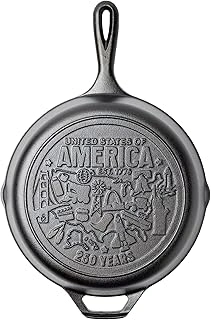
Lodge 10.25 Inch Cast Iron Skillet – Pre-Seasoned Frying Pan with Teardrop Handle – Oven, Stovetop, Grill & Campfire Use – Made in USA – Non-Toxic, Even-Heating Cookware – 250th Anniversary Logo: Home & Kitchen
The Lodge 10.25 inch cast iron skillet retails for $34.95 and carries a 4.9 out of 5 rating on Amazon. Made in the USA, this pre-seasoned pan is ready to use straight from the package - no initial seasoning required before cooking. The 10.25 inch diameter handles most homestead tasks, from frying eggs to searing steaks, without dominating cabinet space or becoming too heavy for everyday handling.
The teardrop-shaped helper handle opposite the main grip gives you control when lifting a full skillet or moving it between stovetop and oven. Lodge designed this pan for versatility: it works on gas, electric, and induction cooktops, inside ovens up to high heat, over open campfires, and on outdoor grills. That multi-environment durability makes it practical for homesteaders who cook indoors and out.
Lodge has manufactured cast iron cookware for generations, and this skillet reflects that consistency. The pre-seasoned surface starts with a usable layer of oil polymerization, though it will improve and become smoother with continued use and care. The even-heating characteristic of cast iron means the pan distributes heat across the cooking surface once fully preheated, reducing hot spots that can scorch food.
At this price point, the Lodge 10.25 inch skillet offers long-term value for cooks who want a single pan that can handle high-heat searing, baking cornbread, and campfire cooking without concern for coating damage or warping. The weight - typical for cast iron - requires two hands when full, but that mass also contributes to heat retention and stable stovetop performance. Check current price and availability on Amazon - ideal if you want a durable, multi-use skillet that improves with age.
- ✅ Pre-seasoned surface ready to use immediately
- ✅ Made in USA with consistent quality
- ✅ Works on stovetop, oven, grill, and campfire
- ✅ 10.25 inch size handles most homestead cooking tasks
- ✅ Teardrop helper handle improves control when lifting
- ⚠️ Weight requires two-handed handling when full
- ⚠️ Seasoning layer improves over time but starts functional, not glassy-smooth
What Makes Cast Iron a Homestead Favorite
Cast iron skillets have earned a place in homestead kitchens for good reason. They hold heat longer than most cookware, which means consistent temperature whether you're searing a steak or baking cornbread. Once a cast iron pan is properly seasoned, oil baked into the surface creates a natural non-stick layer that improves with use. You can move it from stovetop to oven without worry, and a well-maintained skillet can last decades - often outliving the cook who bought it.
The tradeoffs are practical rather than prohibitive. Cast iron needs regular seasoning to maintain that non-stick surface and prevent rust. A thin coat of oil after each wash and occasional oven seasoning keep the pan ready. Acidic foods like tomato sauce or vinegar-based dishes can strip seasoning and pick up a metallic taste, so cast iron works best for tasks like frying, roasting, and baking. The weight is real - a 12-inch skillet often exceeds five pounds - which makes flipping or one-handed maneuvering more deliberate. For cooks who value durability and are comfortable with a bit of upkeep, these considerations are simply part of the rhythm of using cast iron.
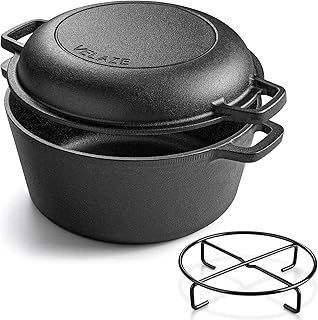
Velaze 5QT Pre-Seasoned Cast Iron Dutch Oven Pot with Skillet Lid
The Velaze 5QT Pre-Seasoned Cast Iron Dutch Oven Pot with Skillet Lid costs $28.87 and holds a 4.6 out of 5 rating, offering homesteaders two cooking surfaces for the price of one piece. The pot handles stews, soups, and no-knead bread, while the lid flips over to function as a standalone skillet for eggs, cornbread, or searing.
Pre-seasoning means you can start cooking right away without the initial seasoning process, which matters when you're setting up a homestead kitchen quickly or working within a limited budget. The dual-use design cuts down on storage needs and replaces the need to buy a separate Dutch oven and skillet upfront.
At the listed size, the capacity works well for small-batch cooking or feeding a household of two to four, though larger homesteads planning big stews or multiple loaves may need additional capacity. The cast iron construction delivers the heat retention and even heating that makes baking and slow cooking reliable, and the skillet lid adds flexibility for high-heat tasks like pancakes or shallow frying.
This piece serves homesteaders who want the durability and cooking performance of cast iron but need to stretch their initial investment across multiple uses. See current pricing on Amazon - a practical choice if you want cast iron flexibility on a tight budget.
- ✅ Lid doubles as a skillet, giving two cooking surfaces in one purchase
- ✅ Pre-seasoned and ready to use out of the box
- ✅ Budget-friendly at $28.87 for dual functionality
- ⚠️ 5-quart capacity may be limiting for larger households or batch cooking
- ⚠️ Cast iron weight and maintenance still apply to both pieces
Why Homesteaders Choose Stainless Steel
Stainless steel skillets earn their place in homestead kitchens by handling tasks that cast iron can't manage comfortably. The non-reactive surface makes them the right tool when you're deglazing with wine, simmering tomato-based sauces, or cooking anything with vinegar or citrus. Acids won't interact with the metal, so flavors stay true and the pan won't leach metallic notes into your food.
Cleanup is straightforward. Stainless steel doesn't require seasoning, oil coats after washing, or special storage. You can scrub it with soap and a scouring pad, run it through a dishwasher if the manufacturer allows, and stack it without worry. For cooks managing a busy homestead schedule, that simplicity adds up.
Heat responsiveness is another practical advantage. Stainless steel reacts quickly when you adjust the burner, giving you tighter control over temperature changes. That matters when you're searing meat, then immediately reducing heat to finish a pan sauce, or when you need precise temperature management for delicate ingredients.
The tradeoffs are real. Food will stick if you don't preheat properly or use enough fat. Eggs, fish, and lean proteins demand technique: a hot pan, a thin layer of oil or butter, and patience before flipping. Stainless steel also costs more upfront than most cast iron, and the cooking surface may develop rainbow discoloration or stubborn fond over time. Those marks don't affect performance, but they do change the look.
For homesteaders who preserve seasonal produce, cook with diverse ingredients, and value a pan that's ready to use without ritual, stainless steel delivers reliable, low-maintenance versatility.
Head-to-Head: Cooking Performance for Homestead Tasks
Searing a thick steak from your freezer requires high, stable heat that won't drop when the cold meat hits the pan. Cast iron holds temperature better than stainless steel, creating a deeper crust without constant burner adjustment. The heavy pan stays hot even when you flip a pork chop or add a second piece of chicken.
Scrambling eggs in stainless steel takes more oil and a watchful eye. The surface sticks easily if the pan isn't fully preheated or if you use too little fat. Cast iron, once well-seasoned, releases eggs more readily, though it still needs a slick of butter or lard. Neither pan is nonstick in the modern sense, but cast iron forgives small temperature mistakes better.
Baking cornbread or a skillet cookie in the oven favors cast iron. The metal distributes heat evenly from all sides, and the pan can move straight from stovetop to a 450°F oven without worry. Stainless steel handles oven heat too, but thinner pans may develop hot spots that brown batter unevenly along the edges.
Making a pan sauce after searing meat is where stainless steel pulls ahead. You can deglaze with wine, vinegar, or tomato without damaging the surface or leaching metallic flavors. Cast iron reacts with acidic liquids, especially if the seasoning is thin, which can give sauces a gray tint and slightly metallic taste. For quick weeknight meals that end with a flavorful reduction, stainless steel saves steps and cleanup.
Each skillet handles different homestead tasks well. Cast iron excels at high-heat searing and oven baking, while stainless steel offers more flexibility with acidic ingredients and delicate sauces.
Maintenance, Longevity, and Daily Reality
Daily skillet care separates enthusiastic cooks from frustrated ones, and the gap between cast iron and stainless steel is wider than most new homesteaders expect.
Cast iron demands a post-wash ritual: dry the pan immediately to prevent rust, then rub a thin layer of cooking oil across the interior surface before storing. Each cycle of heating oil builds the seasoning - a natural, slick patina that improves nonstick performance over months and years. If you skip a few rounds or inherit a rusty piece, you can strip it down to bare metal and rebuild the seasoning from scratch. The process is forgiving in the long run but unforgiving in the moment; leave a wet skillet on the counter overnight and you may wake to rust spots.
Stainless steel asks far less. Rinse it, scrub with soap and a sponge, and either towel-dry or leave it in the dish rack. Dishwashers will not harm the metal, though hand washing protects the finish and extends the life of riveted handles. Cooked-on fond or rainbow heat stains respond to a sprinkle of Bar Keeper's Friend and a minute of light scrubbing. There is no seasoning to protect, no rust to fear, and no special storage protocol. You can stack stainless pans without worry, toss them in a drawer, or hang them on a wall hook.
Both materials last decades when cared for properly. Cast iron survives abuse that would destroy nonstick coatings - you can sand out pitting, re-season over fire, and pass a 60-year-old skillet to the next generation. Stainless steel resists corrosion, holds its shape through thousands of heating cycles, and shows its age only in minor cosmetic dulling. The difference lies in the daily burden: cast iron requires deliberate habit, while stainless steel tolerates distraction and irregularity. Choose the maintenance rhythm that matches your household's actual behavior, not the one you wish you had.
Quick Decision Guide: Which Skillet Fits Your Homestead?
- Choose cast iron if you prioritize heat retention, oven-to-table versatility, and don't mind regular seasoning and careful drying after each wash
- Choose stainless steel if you cook with tomatoes, wine, or citrus often and want fast cleanup without worrying about seasoning
- Choose cast iron for searing, frying, and baking tasks where even, lasting heat matters more than pan weight
- Choose stainless steel if you value a lighter pan and need to deglaze fond for sauces or adjust cooking temperature quickly
- Consider owning both - they handle different jobs better than any single skillet can
What About Stainless Steel Skillets for Homesteads?
This guide focused on cast iron skillets because they align closely with homestead priorities: exceptional heat retention for baking and searing, durability that can last generations, and the ability to move seamlessly from stovetop to oven to campfire. Stainless steel skillets offer different strengths that make them valuable in a homestead kitchen, particularly for tasks where cast iron's reactivity or weight becomes a limitation.
When choosing a stainless steel skillet, look for tri-ply or multi-clad construction that sandwiches an aluminum or copper core between stainless layers. This design distributes heat more evenly than single-layer stainless, reducing hot spots that can scorch delicate sauces or eggs. Sturdy riveted handles provide a secure grip, and oven-safe ratings of at least 500°F let you start dishes on the stovetop and finish them under a broiler or in a hot oven.
Stainless steel excels at deglazing and building pan sauces because acidic ingredients like wine, tomatoes, and vinegar won't react with the surface. It heats and cools faster than cast iron, giving you more control when precision matters. The lighter weight also makes tossing vegetables or flipping crepes less tiring during long cooking sessions.
Many homesteaders keep both types within reach: cast iron for cornbread, roasts, and high-heat searing, and stainless steel for braising acidic stews, making reductions, or any recipe that benefits from responsive temperature changes. A future guide will cover stainless steel skillet recommendations in detail, including size considerations and maintenance routines that keep the cooking surface performing well without seasoning.
Final Thoughts: The Right Skillet for Your Kitchen
Choosing between cast iron and stainless steel comes down to how you cook and how much maintenance fits into your routine. Cast iron delivers superior heat retention and even cooking across the surface, making it ideal for searing, baking, and slow braises that benefit from steady, radiant heat. The trade-off is a seasoning layer that requires occasional care - nothing complicated, but it does ask for a bit of attention after each use. Stainless steel answers a different set of needs: fast heat response, zero reactivity with acidic ingredients, and cleanup that's as simple as soap and a scrub. It won't hold heat as long, and it demands technique to prevent sticking, but for quick sautés and tomato-based sauces, it's hard to beat.
There's no wrong choice here. If you roast vegetables from the garden, bake cornbread, and want a skillet that gets better with age, cast iron will serve you well. If you deglaze pans with wine, simmer berry compotes, or prefer throwing a pan in the dishwasher without worry, stainless steel is the practical pick. Many homestead cooks find that owning one of each covers the full range of kitchen tasks without redundancy.
Start with the skillet that matches your most frequent cooking style, invest in a quality piece that will last decades, and let your actual use guide any future additions. The right tool is the one you reach for consistently, and both materials have earned their place on the stove.