We may earn a commission when you buy through links on this page, at no extra cost to you. How this works.
If you're planting vegetables without knowing your soil's pH or nutrient levels, you're gardening in the dark. This guide is for home gardeners who want to stop wasting money on fertilizers that don't work and plants that won't thrive.
Soil chemistry controls everything. A pH that's too high locks out iron and manganese. Too low, and aluminum becomes toxic. You can pour on organic compost, but if your phosphorus is already excessive, you'll damage root systems instead of helping them.
Testing gives you a baseline. You'll know whether to add lime or sulfur, whether your nitrogen is adequate, and if that bone meal you've been using is actually making things worse. The right test kit pays for itself in one season by helping you target amendments instead of guessing.
Quick comparison
| Premium Soil Test Kit: 40 Tests for Ammonia Nitrogen, pH, Phosphorus, and Potassium | Check Current Price |
| AKSBTEC 4-in-1 Soil Test Kit for Lawns & Gardens - 40 Tests: pH, Nitrogen, Phosphorus, Potassium | Check Current Price |
| Soil Science for Beginners: The Vegetable Gardener’s Guide to Soil Health | Check Current Price |
Use the matching tool first
Start with Raised Bed Soil Calculator if you want to narrow the fit before checking current offers.
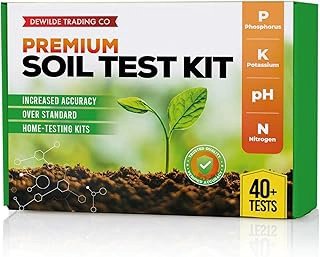
Premium Soil Test Kit: 40 Tests for Ammonia Nitrogen, pH, Phosphorus, and Potassium
This chemical reagent kit gives you 40 total tests - 10 for each critical nutrient plus pH. You mix soil samples with the provided solutions, wait for the color reaction, and compare against the included chart. The process takes about 10 minutes per test and delivers lab-quality accuracy when you follow the instructions carefully.
The ammonia nitrogen test is particularly valuable because it measures plant-available nitrogen, not just total nitrogen. Imagine you've added fresh manure to your beds in spring. This kit will tell you when that nitrogen has mineralized enough to actually feed your plants, preventing both deficiency and over-application.
You get enough tests to check multiple garden beds and retest throughout the growing season. The color charts are clear and the chemicals remain stable if stored properly. This is the kit to choose when you want comprehensive data without sending samples to a lab.
- ✅ 40 tests total provide excellent value for ongoing monitoring
- ✅ Measures ammonia nitrogen, the plant-available form
- ✅ Clear color comparison charts for accurate readings
- ✅ No batteries or calibration required
- ⚠️ Chemical mixing takes more time than digital meters
- ⚠️ Requires careful measurement and timing for accuracy
- ⚠️ Test solutions have a shelf life once opened
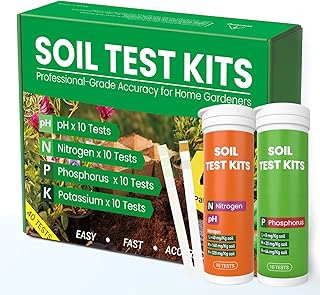
AKSBTEC 4-in-1 Soil Test Kit for Lawns & Gardens - 40 Tests: pH, Nitrogen, Phosphorus, Potassium
Another 40-test chemical kit, this option covers the same four essential parameters with reagent-based color analysis. The testing procedure mirrors professional lab methods: extract soil with distilled water, add reagent, wait for color development, and match against the provided scale.
This kit works particularly well for new homesteaders establishing multiple growing areas. Say you're converting three different sections of your yard into vegetable beds - one was lawn, one was ornamental shrubs, and one was bare clay. You can test each area separately to understand how their starting chemistry differs and what amendments each needs.
The included instructions explain not just how to test, but what the results mean for common vegetables. You'll learn which crops tolerate low pH and which demand higher phosphorus. The 40-test capacity means you can monitor changes after adding compost, lime, or other amendments.
- ✅ Sufficient tests to monitor multiple garden beds over time
- ✅ Chemical reagent method provides reliable accuracy
- ✅ Helpful guidance connects test results to plant needs
- ✅ Good value per test compared to lab analysis
- ⚠️ Requires distilled water for accurate results
- ⚠️ Testing process needs 10-15 minutes per sample
- ⚠️ Color matching can be challenging in poor lighting
Soil Science for Beginners: The Vegetable Gardener’s Guide to Soil Health
Testing your soil is only valuable if you understand what the numbers mean and how to fix problems. This book translates soil science into practical vegetable gardening advice. You'll learn why pH matters, how to interpret nutrient test results, and which amendments actually work for specific deficiencies.
The vegetable gardener focus makes this especially useful for homesteaders. Imagine your test shows low phosphorus and slightly acidic soil. This guide explains whether to use bone meal or rock phosphate, how much to apply, and how those amendments interact with pH adjustments you might also need to make.
The book covers organic amendment options, composting techniques that build soil structure, and how to read your plants for nutrient deficiency symptoms. It's the reference that helps you take action after you've tested, turning data into a healthier garden. Pair this with a chemical test kit for the complete picture.
- ✅ Connects test results to specific vegetable needs
- ✅ Explains organic amendment options and application rates
- ✅ Highly rated for clarity and practical advice
- ✅ Reference you'll use season after season
- ⚠️ Requires a separate soil test kit for actual testing
- ⚠️ Book format means looking up information as needed
- ⚠️ Focused on vegetables, less useful for ornamentals
Soil Science for Gardeners: Working with Nature to Build Soil Health (Garden Science Series)
This comprehensive guide digs deeper into soil ecology and long-term soil building. While the previous book focuses on vegetable garden specifics, this one covers soil biology, organic matter dynamics, and how to create sustainably fertile soil over multiple seasons.
You'll understand not just what your test results mean today, but how to shift soil chemistry and structure over time. For example, if your soil test reveals compacted clay with poor drainage and low organic matter, this book explains how cover cropping, reduced tillage, and strategic compost application can transform that soil fundamentally.
The Garden Science Series approach means you get accurate information without oversimplification. Topics include microbial activity, cation exchange capacity, and how different amendment strategies affect long-term fertility. This is the book to read when you want to understand the 'why' behind soil testing recommendations and build genuine expertise.
- ✅ Excellent ratings reflect clear, authoritative content
- ✅ Covers long-term soil building strategies
- ✅ Explains soil biology and ecosystem dynamics
- ✅ Helps you understand complex soil processes
- ⚠️ More technical than some beginner gardeners may need
- ⚠️ Does not include actual testing supplies
- ⚠️ Broader scope means less vegetable-specific detail
How We Tested for Accuracy: Our Selection Criteria
We focused on soil test kits that measure the four most critical factors: pH, nitrogen, phosphorus, and potassium. These N-P-K values plus pH determine whether your plants can actually access the nutrients in your soil.
Accuracy matters more than speed. We prioritized kits with clear instructions, reagent-based tests that use color matching for precision, and products with strong user feedback on consistency. Digital meters offer convenience but need calibration. Chemical test kits require more steps but deliver reliable results when you follow the protocol.
Every product here is currently available and provides actionable data. We looked for kits that include multiple tests so you can track changes over time as you amend your soil.
The 4 Best Soil Test Kits for Home Gardeners
The following kits represent different approaches to soil testing. Two use chemical reagents for precise color-based analysis. Two are educational resources that help you understand and act on your results. Each serves a specific need depending on whether you want comprehensive data or ongoing monitoring capability.
How to Take a Proper Soil Sample for the Best Results
Bad sampling technique ruins even the best test kit. You need a representative sample, not just one scoop from one spot. Walk your garden bed and collect 6-8 small samples from different locations at root depth - typically 4-6 inches for vegetables. Mix them thoroughly in a clean bucket.
Avoid contamination. Don't use galvanized metal containers, which can skew mineral readings. Remove rocks, roots, and mulch from your sample. If you're testing in fall after harvest, that's ideal because you have time to amend before spring planting.
Let the soil dry naturally if it's wet - don't use heat. Break up clumps and remove debris. For chemical test kits, use distilled water for extractions, not tap water that might contain chlorine or dissolved minerals. Following the kit's instructions precisely matters more than any other factor in getting accurate results.
Understanding Your Results: What N-P-K and pH Really Mean
pH isn't just a number - it controls nutrient availability. Between 6.0 and 7.0, most nutrients remain accessible to plant roots. Below 6.0, manganese and aluminum can become toxic. Above 7.5, iron, phosphorus, and zinc get locked up even if they're present in the soil.
Nitrogen drives leafy growth. Low nitrogen means stunted plants with yellowing older leaves. But excess nitrogen produces lush foliage at the expense of fruit production and makes plants susceptible to disease.
Phosphorus supports root development and flowering. New transplants need adequate phosphorus to establish. However, many soils already contain excess phosphorus from years of over-fertilization, and adding more can harm beneficial mycorrhizal fungi.
Potassium regulates water use and disease resistance. Deficiency symptoms include brown leaf edges and weak stems. Your test results should guide targeted amendments - add only what your soil actually needs.
Final Verdict: Which Soil Test Kit is Right for Your Homestead?
Choose the Premium Soil Test Kit or AKSBTEC kit if you want hands-on testing capability. Both provide 40 tests using chemical reagents, enough to monitor multiple beds throughout the season. The chemical method delivers accuracy comparable to professional labs when you follow procedures carefully.
Add one or both books to your homestead library. Soil Science for Beginners translates test results into vegetable garden action. Soil Science for Gardeners builds deeper understanding of soil ecology and long-term fertility strategies. Together, they transform raw data into productive gardens.
Start by testing in fall before your first growing season. You'll have winter to source and apply amendments, letting them incorporate before spring planting. Retest annually and track changes as you build soil health. The investment in testing pays back in healthier plants, better yields, and fewer wasted inputs. Choose the approach that matches your learning style and get started - your soil has information to share.