We may earn a commission when you buy through links on this page, at no extra cost to you. How this works.
Fertilome Neem Oil Concentrate Insecticide, OMRI Listed, 16 oz
Keep your fruit trees healthy without synthetic chemicals.
Use the matching tool first
Start with Chicken Coop Space & Feed Calculator if you want to narrow the fit before checking current offers.
Backyard orchard owners face a steady stream of pests and fungal threats - aphids clustering on new growth, scale insects hardening onto bark, spider mites webbing between leaves, and powdery mildew coating fruit and foliage. Neem oil concentrates offer a single botanical tool to address all four problems without synthetic pesticides, which matters when you plan to eat the harvest and want to protect pollinators visiting your trees.
Neem works by disrupting insect feeding and reproduction while also interrupting fungal spore germination. For fruit trees, that dual action simplifies your spray schedule and keeps residues off apples, pears, peaches, and citrus. Concentrates dilute with water, so a quart or gallon lasts through multiple seasons of dormant-season and foliar applications.
This guide reviews five organic neem oil concentrates chosen for backyard orchard use. Each product is compared on four practical criteria: OMRI certification for organic growers, cold-pressed extraction that preserves azadirachtin and other active compounds, labeled concentration strength, and cost per fluid ounce. Two are pure neem oil, two blend neem with clarified hydrophobic extract for easier mixing, and one adds pyrethrin for faster knockdown on heavy infestations. You'll see which concentrate fits your tree count, budget, and whether you follow organic certification standards or simply prefer natural inputs.
If you're new to dormant spraying or foliar timing, the decision comes down to how many trees you manage and whether you need the product to carry an OMRI seal. Cold-pressed oils retain more azadirachtin than solvent-extracted versions, and higher concentrations mean you use less product per gallon of spray. Price per ounce varies widely, so matching bottle size to your orchard's square footage will keep costs predictable season to season.
What Makes Neem Oil Concentrate Effective for Orchard Spraying
Neem oil concentrate works through azadirachtin, a natural compound extracted from neem tree seeds that disrupts how insects feed and reproduce. When pests ingest azadirachtin or absorb it through their skin, it interferes with their hormonal systems, reducing their appetite and preventing larvae from maturing into breeding adults. This mode of action makes neem oil particularly useful against aphids, mites, scale, and leaf miners that commonly threaten backyard fruit trees.
Concentrates require dilution before application. You'll mix the oil with water and an emulsifier - often a mild soap or lecithin - to help the oil disperse evenly instead of separating into droplets. Most labels recommend one to two tablespoons of concentrate per gallon of water, though ratios vary by brand and target pest.
Beyond azadirachtin, the oil itself forms a thin film on leaf surfaces. This coating smothers soft-bodied insects like whiteflies and thrips by blocking their breathing pores. The same film creates an inhospitable environment for fungal spores, interfering with the germination of powdery mildew and black spot. Timing matters: spray early in the morning or late evening to avoid leaf burn and give the oil time to dry before pollinators visit.
Cold-pressed neem oil retains higher azadirachtin levels than heat-extracted versions, so concentration and processing method both influence effectiveness. For orchard use, look for products that list azadirachtin content on the label and carry OMRI certification if you're managing trees organically.
How to Choose the Right Neem Oil Concentrate for Your Fruit Trees
Choosing neem oil for backyard orchard spraying comes down to five practical factors that directly affect how well the product protects your fruit trees and fits your growing system.
Start with OMRI certification if you manage a certified organic orchard or plan to apply for certification. OMRI-listed products meet National Organic Program standards, which means every ingredient - including any emulsifiers or carriers - has been reviewed. If you're growing organically but not seeking certification, OMRI listing still signals that the formulation follows stricter input rules.
Cold-pressed neem oil retains more azadirachtin, the active compound responsible for disrupting insect feeding and growth, compared to solvent-extracted versions. Cold-pressed concentrates typically range from 70 to 100 percent neem oil. Higher concentrations give you more control over dilution rates, letting you adjust spray strength based on pest pressure and tree phenology. A 100 percent concentrate requires careful measuring, but a single bottle covers more canopy area per ounce than a pre-diluted product.
Bottle size should match your orchard's canopy volume. A quart of concentrate diluted at the common rate of two tablespoons per gallon yields roughly thirty-two gallons of finished spray. For a small backyard orchard of five to ten young trees, a pint or quart is usually sufficient for a season. Mature trees with dense canopies may require a half-gallon or gallon to maintain a consistent spray schedule from dormant season through harvest.
Pure neem oil concentrates need a separate emulsifier - often liquid soap or a commercial spreader-sticker - to mix with water and cling to leaf surfaces. Pre-blended neem products include emulsifiers or surfactants in the bottle, which simplifies mixing but reduces your ability to adjust the emulsifier ratio independently. If you prefer to control every variable in your spray program, a pure concentrate offers more flexibility. If you want faster tank prep, a pre-blended formula saves a step.
Watch for additives beyond emulsifiers. Some concentrates include plant extracts, essential oils, or additional insecticidal soaps. These can broaden the pest spectrum but may also increase phytotoxicity risk on sensitive varieties during hot weather. Read the full ingredient list, not just the front label, to know exactly what you're applying to fruit-bearing wood.
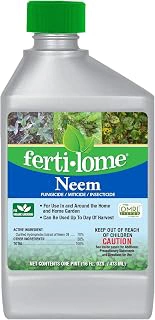
Fertilome Neem Oil Concentrate Insecticide, OMRI Listed, 16 oz
Fertilome's 16 oz concentrate carries OMRI certification, which means it meets the standards for certified organic operations - a requirement if you sell fruit at farmers markets or hold organic certification. The 4.4 out of 5 rating reflects consistent performance, and the $23.85 price positions it as a mid-range option that delivers verifiable compliance documentation.
The concentrate format requires dilution before application. Most backyard orchard growers mix 2 tablespoons per gallon of water for foliar sprays on fruit trees, though the label will specify ratios for different pest pressures and crops. Because this is a concentrate, the 16 oz bottle yields multiple gallons of working solution, stretching coverage across several spray sessions during the growing season.
OMRI listing provides a paper trail that matters during certification audits or market inspections. If your orchard products carry an organic label or if you plan to pursue certification, this concentrate offers the documentation inspectors expect. For backyard growers without certification needs, the OMRI stamp still signals adherence to organic input standards, though you pay a small premium for that third-party validation.
The formula typically includes an emulsifier to help the oil disperse evenly in water, reducing the separation issues that can clog sprayers or leave uneven coverage on leaves. Shake the bottle well before mixing, and agitate your sprayer periodically to maintain suspension during application.
This concentrate suits growers who need documented organic compliance alongside reliable coverage for common orchard pests like aphids, mites, and scale. The 16 oz size works well for small to medium orchards, and the OMRI certification removes guesswork when compliance matters.
- ✅ OMRI certified for organic operations and market sales
- ✅ 16 oz concentrate yields multiple gallons of spray solution
- ✅ Includes emulsifier for even mixing and application
- ✅ Mid-range price with third-party organic validation
- ⚠️ Premium pricing compared to non-certified concentrates
- ⚠️ Requires careful dilution and mixing before use
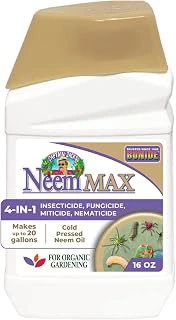
Bonide Captain Jack's Neem Max Multi-Purpose Cold Pressed Neem Oil, 16 oz
Bonide Captain Jack's Neem Max offers cold-pressed neem oil extraction at a practical price point for home orchardists who value process quality without requiring certified organic labeling. The 16-ounce concentrate carries a 4.6 out of 5 rating and lists at $17.98, positioning it as one of the more affordable cold-pressed options in this category.
Cold-pressed extraction avoids heat and chemical solvents during processing, which helps preserve azadirachtin - the active compound in neem oil responsible for disrupting insect feeding and growth cycles. This method typically results in oil with higher azadirachtin levels and longer shelf stability compared to expeller-pressed or solvent-extracted alternatives. For backyard fruit tree care, azadirachtin retention matters because it determines how effectively the spray interrupts pest reproduction over multiple applications.
The multi-purpose label indicates this concentrate works across ornamentals, vegetables, and fruit trees, though application timing and dilution ratios vary by crop and pest pressure. Bonide includes an emulsifier in the formulation, which simplifies mixing - the oil disperses into water without requiring a separate surfactant in most cases. This streamlines prep work when you're covering multiple trees.
While this product does not carry OMRI listing, the cold-pressed extraction process aligns with the methods used in many certified formulations. Home growers who prioritize extraction quality and cost efficiency over formal certification will find this concentrate delivers the active compounds needed for integrated pest management in backyard orchards. The 16-ounce bottle provides enough concentrate for several growing-season applications on a small to medium orchard, depending on tree size and canopy density.
This option fits well when you want cold-pressed neem oil performance without paying the premium attached to certified organic labeling, especially if your fruit trees are for home consumption rather than commercial sale.
- ✅ Cold-pressed extraction preserves azadirachtin content
- ✅ Priced at $17.98 for 16 oz concentrate
- ✅ Includes emulsifier for easier mixing
- ✅ Multi-purpose formulation for fruit trees and other crops
- ✅ Strong 4.6/5 user rating
- ⚠️ Not OMRI-listed for certified organic growing
- ⚠️ Smaller bottle size compared to bulk concentrate options
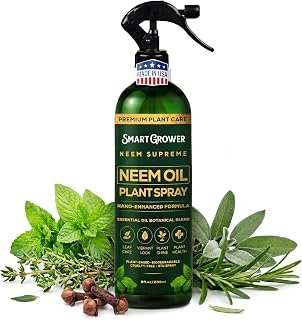
Neem Oil Botanical Blend Plant Spray and Wash with Natural Essential Oils (8 oz)
Pre-mixed botanical blends appeal to orchardists who want to skip the guesswork of emulsifying pure neem concentrate. This 8 oz spray-and-wash formula combines neem oil with natural essential oils, delivering both insecticidal properties and additional aromatic compounds that may deter certain pests. The product carries a 4.5 out of 5 rating and retails for $19.95, positioning it as a premium choice in the smaller-bottle segment.
Because the manufacturer has already blended the concentrate with essential oils and emulsifiers, you lose some flexibility over dilution ratios. Orchardists managing sensitive trees or specific pest thresholds may find it harder to fine-tune spray strength compared to working from a plain cold-pressed concentrate. The added essential oils can also introduce fragrance that lingers on foliage and fruit, which some growers appreciate as an extra repellent layer while others prefer the neutral profile of straight neem.
The 8 oz bottle size suits hobbyists with a handful of dwarf or espalier trees but will run out quickly if you're treating a larger backyard orchard every seven to fourteen days. Check the label to confirm whether further dilution is required or if the product is already at application strength; some botanical blends are ready-to-spray while others still expect you to mix with water. If an emulsifier is already incorporated, you can skip the separate surfactant step that pure concentrates demand.
This blend works well when convenience outweighs the need for precise control. Growers who dislike measuring, shaking, and waiting for oil to disperse will appreciate the streamlined prep, and the essential-oil addition may offer secondary benefits against aphids or whiteflies that respond to aromatic deterrents. Just remember that the smaller volume and higher per-ounce cost mean you'll reorder more often than you would with a quart or gallon jug of pure concentrate.
- ✅ Pre-blended with natural essential oils and emulsifier for faster prep
- ✅ 4.5 out of 5 rating reflects positive user experience
- ✅ Added aromatics may provide extra insect-repelling properties
- ✅ No separate surfactant mixing step required
- ⚠️ 8 oz bottle depletes quickly on larger backyard orchards
- ⚠️ $19.95 price delivers higher per-ounce cost than bulk concentrates
- ⚠️ Fixed blend limits control over dilution strength and essential-oil intensity
- ⚠️ Essential oil fragrance may linger on fruit and foliage
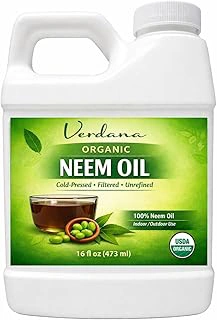
Verdana Organic Neem Oil – Cold Pressed, 100% Pure Neem Seed Oil, Concentrated Multi-Purpose Oil for Skin, Hair & Plant Use, No Additives - 16 Fl Oz
Verdana's the listed size bottle delivers 100% pure, cold-pressed neem seed oil with no added emulsifiers or surfactants, giving orchardists complete control over spray formulation. Rated 4.6 out of 5 stars and priced at $19.90, this concentrate appeals to growers who prefer single-ingredient inputs and want to customize their mix for specific orchard conditions.
Because this oil contains no built-in emulsifier, you'll need to add your own spreader-sticker or a tablespoon of liquid Castile soap per gallon to help the oil disperse in water. That extra step means more flexibility: you can adjust emulsifier type and concentration based on water hardness, tree species, and spray timing. For example, softer emulsifier ratios work well on tender spring growth, while stronger mixes help coverage during humid summer conditions.
The cold-pressed extraction preserves azadirachtin and other active compounds without chemical solvents, and the lack of additives makes this oil suitable for growers following strict organic protocols. the listed size size treats approximately eight to sixteen gallons of spray solution at typical orchard dilution rates, enough for several applications on a small backyard orchard of ten to twenty trees.
This multi-purpose formulation also works for personal care, so if you're already using neem oil for skin or hair, one bottle serves both garden and household needs. However, if convenience matters more than formulation control, pre-mixed concentrates with built-in emulsifiers require less measuring and mixing at the spray tank. Verdana fits orchardists who value ingredient simplicity and don't mind the extra blending step for each application.
- ✅ 100% pure cold-pressed oil with no additives
- ✅ Full control over emulsifier type and concentration
- ✅ Multi-purpose for orchard, skin, and hair use
- ✅ 16 oz treats eight to sixteen gallons at orchard rates
- ⚠️ Requires separate emulsifier or Castile soap
- ⚠️ Extra mixing step before each spray session
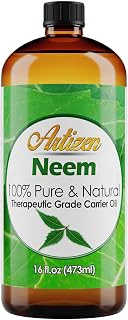
Artizen 100% Pure Cold Pressed Neem Oil for Plants, 16 oz
Artizen's 16 oz cold-pressed neem oil delivers the most affordable entry point among the five concentrates at $15.99, making it practical for orchardists managing multiple trees or testing neem oil applications without a large initial expense. The cold-pressed extraction preserves azadirachtin and other active compounds found in raw neem seed kernels, providing the same baseline efficacy you'd expect from higher-priced alternatives.
This concentrate arrives as pure neem oil, which means you'll need to supply your own emulsifier - typically a few drops of liquid castile soap or dish soap per gallon of spray mix - to help the oil disperse evenly in water. That extra step adds a minute or two to your spray prep but allows you to control dilution rates and emulsifier type based on what you already have on hand. For larger backyard orchards where you're applying several gallons per session, the 16 oz bottle stretches further than smaller formats and keeps per-ounce cost low.
The 4.2 out of 5 rating reflects solid performance balanced against the manual mixing requirement. Growers who prefer grab-and-go convenience may find the lack of a built-in emulsifier less appealing, but those comfortable with basic spray preparation appreciate the flexibility and budget-friendly volume. If you're spraying a dozen or more fruit trees regularly, or if you want to experiment with neem oil foliar applications before committing to a premium brand, Artizen's concentrate offers a sensible balance of price, purity, and performance.
- ✅ Most affordable option per ounce at $15.99 for 16 oz
- ✅ Cold-pressed extraction preserves active compounds
- ✅ Larger volume suits orchards with multiple trees
- ⚠️ Requires separate emulsifier for spray mixing
- ⚠️ Manual prep adds a step compared to pre-emulsified products
How to Mix and Apply Neem Oil Spray on Fruit Trees
Mixing neem oil correctly determines whether your spray coats evenly or separates into ineffective droplets. Start by checking the concentrate label for the exact dilution ratio, which typically falls between one and two tablespoons per gallon of water. Pure cold-pressed neem oil does not dissolve in water on its own, so you need an emulsifier to bind the oil and water together into a stable solution.
Add a few drops of liquid Castile soap or a commercial spreader-sticker to the water first, then pour in the measured neem oil concentrate. Shake the mixture vigorously in a clean spray bottle or pump sprayer until the liquid turns milky and uniform. Before every application, shake the container again to redistribute the oil particles that naturally settle.
Spray all accessible surfaces of your fruit trees, including the tops and undersides of leaves, until the solution begins to drip. Coverage matters more than saturation - neem works on contact and by absorption, so missed spots leave pests and fungal spores untouched. Plan your spraying for early morning or late evening when pollinators are inactive and when cooler temperatures reduce the risk of leaf burn from oil sitting under direct sunlight.
Reapply every seven to fourteen days during active growing and pest seasons, adjusting frequency if heavy rain washes away the coating. Consistent timing builds up neem's deterrent effect and interrupts pest reproductive cycles before populations spike.
Safety Precautions and Best Practices for Orchard Spraying
- Wear gloves, long sleeves, and eye protection when mixing and spraying neem oil
- Avoid spraying during bloom to protect bees and beneficial pollinators
- Do not spray in full sun or temperatures above 85°F to prevent leaf burn
- Keep children and pets away from spray area until foliage dries completely
- Store concentrate in a cool, dark place away from food and feed
- Rinse spray equipment thoroughly after each use to prevent clogging
Frequently Asked Questions About Using Neem Oil in Your Orchard
How often should you spray neem oil on fruit trees? Most backyard orchardists apply diluted neem concentrate every 7 to 14 days during the growing season, adjusting frequency based on pest pressure and weather. Rain and heavy dew wash away the dried film, so reapply after significant moisture events. During dormant months, you can pause or spray less frequently unless you're managing overwintering pests.
Can you use neem oil up to harvest? Many growers stop neem applications 7 to 14 days before picking fruit to allow residue to break down and to avoid any potential impact on flavor. Neem oil itself is not acutely toxic, but the carrier oils and emulsifiers can leave a film. Check the product label for any specific pre-harvest interval guidance, and rinse fruit thoroughly before eating.
Does neem oil harm beneficial insects? Neem works primarily on contact and by disrupting feeding and molting in soft-bodied insects. Pollinators visiting flowers after the spray has dried face lower risk, but wet spray can coat and harm bees and predatory insects. Spray in early morning or late evening when pollinators are less active, and avoid open blossoms. beneficial insects that do not feed on treated foliage - such as ground beetles and many parasitic wasps - are generally less affected.
Will neem oil affect the taste of your fruit? When applied correctly and discontinued well before harvest, neem should not alter fruit flavor. The oil breaks down in sunlight within days. If you spray too close to picking or apply heavy concentrations, a slight bitter or oily taste can transfer to the skin. Washing and peeling fruit removes any residual film.
How long does neem oil concentrate last once opened? Refrigerated, tightly sealed neem concentrate typically remains effective for 12 to 18 months. Heat, light, and air cause the active compound azadirachtin to degrade. Store your bottle in a cool, dark place and shake well before each use, since cold-pressed oil can separate. If the concentrate smells rancid or changes color significantly, replace it.