We may earn a commission when you buy through links on this page, at no extra cost to you. How this works.
Splitting firewood for a homestead means repetitive swinging, gripping, and lifting - work that adds up quickly when you're processing cords of wood each season. If you've felt shoulder fatigue, elbow soreness, or hand strain after a few hours at the woodpile, you're not alone. The right tool won't eliminate the effort, but it can shift how your body absorbs the impact and how much force you need to apply with each strike.
This guide compares four ergonomic options designed to reduce strain during wood splitting: two manual hydraulic log splitters that let you work standing upright without swinging, and two splitting mauls engineered with shock-absorbing grips and weight distribution that minimize vibration transfer to your arms and shoulders. Each tool takes a different approach to the same goal - helping you process firewood more comfortably over longer sessions.
Manual log splitters use leverage and hydraulic pressure instead of repeated swinging, which can be easier on joints and connective tissue if you're managing large volumes or working around existing strain. Shock-absorbing mauls keep the familiar rhythm of splitting by hand but use grip design, handle materials, and head geometry to dampen the jolt that travels up your arms with every hit. Your choice depends on how much wood you split, how much space and budget you have, and whether you prefer the control of a maul or the mechanical advantage of a lever-driven splitter.
Understanding these tradeoffs makes it easier to match a tool to your woodpile routine and physical priorities rather than defaulting to whatever's on sale at the hardware store.
Quick comparison
| Kindling Cracker Firewood Kindling Splitter — Original Cast Iron Wood Splitting Wedge, 6.5" Safety Ring, Large 12" Frame, No Axe Needed, New Zealand Designed & Australian Made : Kindling Cracker: Home & Kitchen | Check current price |
| Manual Log Splitter Slide Hammer Wood Splitter Tool | Check current price |
| Seymour 41887 8 lb Splitting Maul with 36" Fiberglass Handle | Check fit details |
Use the matching tool first
Start with Chicken Coop Space & Feed Calculator if you want to narrow the fit before checking current offers.
Choosing Between a Log Splitter and a Hand Axe
Manual log splitters and splitting mauls tackle the same job but use completely different approaches, and your choice depends on how much wood you split, your physical comfort, and the size of logs you handle most often.
A manual log splitter uses a lever-and-wedge mechanism instead of swinging. You position the log, pull or push a handle, and the wedge drives through the wood using mechanical advantage. This design keeps your body stable, eliminates the shoulder and back strain that comes from repetitive swinging, and reduces the risk of missed strikes or flying debris. Manual splitters work well for kindling, smaller rounds up to about ten inches, and situations where you need predictable control without high impact. They're slower per log than a well-aimed swing, but the reduced fatigue adds up when you're processing a few cords each season.
A splitting maul, by contrast, is a traditional swing tool with a heavy wedge-shaped head. Modern ergonomic mauls feature shock-absorbing handles, anti-vibration grips, and weight distribution that makes each swing more efficient. They excel at larger rounds and knotty hardwoods where you need momentum and splitting force. The trade-off is clear: mauls demand good technique, shoulder endurance, and careful footing. If you split several cords of mixed hardwood each year and have the physical capacity for swinging, an ergonomic maul will move through big logs faster than a manual splitter.
Both categories now include ergonomic features. Manual splitters reduce repetitive motion stress, while ergonomic mauls minimize vibration and handle shock. Your decision comes down to log diameter, volume, and whether you prefer leverage over momentum.
Making Woodpile Management Efficient and Pain-Free
Choosing the right splitting tool comes down to matching your woodpile routine with the design that supports your body through repetitive work. Manual splitting mauls with ergonomic handles reduce shock and let you work longer sessions without wrist or shoulder fatigue. Hydraulic log splitters eliminate the swing entirely, trading physical effort for mechanical advantage when you face large volumes or dense hardwood rounds.
If your homestead splits a few cords each season and you value the quiet rhythm of hand work, a well-balanced axe or maul with a shock-absorbing grip will serve you reliably. For operations that process cord after cord or tackle knotty oak and elm regularly, a hydraulic splitter becomes the practical choice that protects your back and keeps pace with demand.
Ergonomic features - curved handles, textured grips, vibration dampening, and balanced weight distribution - matter because they let you maintain good form as you work through the pile. Poor tool design forces compensating movements that strain joints and tire muscles faster. The upfront investment in a tool that fits your hand, your height, and your splitting rhythm pays back in stamina and comfort over years of firewood season.
Match your tool to the wood you split most often and the volume you need to process. A lighter axe works beautifully for kindling and smaller rounds. A heavy maul powers through medium splits when your technique is sound. A hydraulic unit handles the toughest, highest-volume jobs without asking your body to absorb the impact. By aligning tool choice with your actual workload and physical priorities, you build a woodpile system that sustains your homestead effort season after season.
Essential Safety Tips for Splitting Wood
- Wear safety glasses to protect from wood chips and debris
- Use sturdy work gloves with good grip
- Choose a stable chopping block or surface at a comfortable height
- Clear the swing area of people, pets, and obstacles
- Split wood on dry, level ground away from structures
- Inspect tools before each session for loose handles or damaged heads
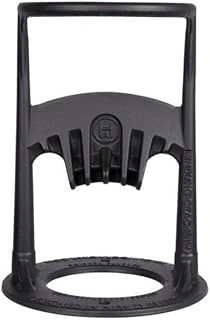
Kindling Cracker Firewood Kindling Splitter — Original Cast Iron Wood Splitting Wedge, 6.5" Safety Ring, Large 12" Frame, No Axe Needed, New Zealand Designed & Australian Made : Kindling Cracker: Home & Kitchen
The Kindling Cracker Firewood Kindling Splitter reduces repetitive swinging by positioning wood upright inside a 6.5-inch diameter cast iron safety ring, where you strike it with a mallet or blunt object to drive it down onto the splitting wedge. The 12-inch frame keeps your hands well above the splitting zone while the wedge does the work, a design that reduces shoulder and back strain during high-volume kindling preparation.
This New Zealand - designed, Australian-made tool handles smaller diameter wood - ideal for splitting kindling from arm-thick rounds or breaking down pieces that would otherwise require an axe and chopping block. The cast iron construction withstands repeated impacts, and the safety ring helps reduce the chance of wood from flying sideways or your hand from slipping into the strike zone.
At $79.99 and rated 4.8 out of 5, the Kindling Cracker suits homesteaders who process large quantities of kindling and want to protect their shoulders from the overhead swing cycle. It works best when paired with a rubber mallet or small sledge; you'll still need a maul or hydraulic splitter for full-diameter logs. The fixed wedge angle means some gnarly or knotted pieces may resist splitting, but straight-grained softwoods and seasoned hardwoods split cleanly with a few taps.
If you split kindling weekly and find traditional axes tiring or risky, this tool offers a stable, controlled alternative that keeps the splitting motion vertical and your body in a neutral posture.
- ✅ 6.5-inch safety ring keeps hands away from the splitting wedge
- ✅ No overhead swinging reduces shoulder and back strain
- ✅ 12-inch cast iron frame provides stability for repetitive kindling work
- ✅ Straightforward operation with a mallet or blunt striker
- ⚠️ Works only on smaller diameter wood suitable for kindling
- ⚠️ Fixed wedge angle may struggle with knotted or twisted grain
- ⚠️ Requires a separate mallet or sledge; not a standalone axe replacement

Manual Log Splitter Slide Hammer Wood Splitter Tool
The Manual Log Splitter Slide Hammer Wood Splitter Tool offers a $49.99 alternative to swinging axes and mauls by using a vertical slide-hammer mechanism. Instead of raising a tool overhead or swinging from the side, you position a log upright beneath the splitter head and drive the weighted hammer downward along a guide rail.
This downward-force design removes the need for repetitive swinging motions, which can strain shoulders, elbows, and lower back during long splitting sessions. Homesteaders who find traditional axe work uncomfortable or who want to reduce fatigue on high-volume days will appreciate the shift to vertical leverage. The tool holds a 5.0 rating, though details on maximum log diameter and splitting capacity remain limited in the available product information.
Compared to the Kindling Cracker, this slide hammer splitter handles larger rounds because you're not confined to a ring-style safety chamber. However, it requires more setup - you need a stable base or mounting surface - and the slide mechanism introduces moving parts that must stay aligned and clean. The Kindling Cracker is faster for small kindling splits, while the slide hammer extends to medium-diameter logs that would otherwise demand a maul.
At under fifty dollars, this tool fits homesteads looking to add a second splitting method without the cost or noise of a hydraulic or electric unit. The slide hammer won't replace a maul for very large rounds, but it delivers ergonomic relief when splitting cord after cord of mid-sized firewood.
- ✅ Uses downward force instead of overhead swinging to reduce shoulder and back strain
- ✅ $49.99 budget-friendly entry point for manual splitting
- ✅ Handles larger log diameters than ring-style kindling splitters
- ⚠️ Requires stable mounting surface or base for safe operation
- ⚠️ Limited verified details on maximum log diameter and splitting capacity
- ⚠️ Slide mechanism needs regular cleaning and alignment checks
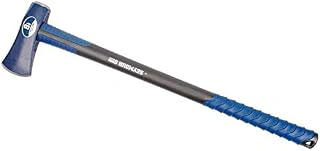
Seymour 41887 8 lb Splitting Maul with 36" Fiberglass Handle
The Seymour 41887 pairs an 8 lb head with a 36-inch fiberglass handle engineered to absorb shock and dampen vibration during each swing. That combination matters when you're working through a stack of large-diameter hardwood rounds - the extra weight drives the wedge through dense grain, while the handle construction reduces the jarring impact that travels up your arms during repetitive splitting.
Fiberglass handles flex slightly on contact, spreading the shock wave across a longer window of time compared to wood or steel. For homesteaders running extended splitting sessions, that vibration reduction can make the difference between finishing your cord and quitting early with sore wrists. The 36-inch length provides leverage without sacrificing control, letting you generate splitting force from a natural arc rather than overcompensating with muscle.
At 8 lb, this maul sits at the heavier end of the hand-tool spectrum. It's overkill for kindling or softwood rounds under the listed size, but it shines when you're facing knotty oak or ash rounds that refuse to yield to lighter tools. The trade-off is straightforward: more head weight means fewer swings per log, but each swing demands more energy and precise aim. If your woodpile includes a mix of sizes, you'll likely reach for a lighter axe for smaller work and reserve this maul for the stubborn pieces.
The 5.0 rating reflects consistent performance in shock absorption and head retention, two common failure points in budget mauls. At $71.90, the Seymour costs more than entry-level options but delivers the durability and comfort features that matter during high-volume splitting. If you're processing firewood for heating season and regularly encounter logs over the listed size in diameter, the vibration control and splitting power justify the investment.
- ✅ Fiberglass handle absorbs shock and reduces vibration during repetitive swings
- ✅ 8 lb head weight splits large-diameter hardwood rounds efficiently
- ✅ 36-inch length balances leverage and control for consistent arc
- ✅ Durable construction suited for high-volume homestead splitting
- ⚠️ Heavier weight requires more energy per swing and precise aim
- ⚠️ Not ideal for kindling or softwood rounds under 12 inches
- ⚠️ Higher price point than basic splitting mauls
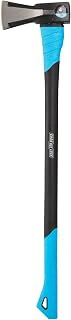
Channellock 34245 4.5 lb Carbon Steel Splitting Maul
The Channellock 34245 offers a 4.5 lb carbon steel head that makes extended splitting sessions easier on the arms and shoulders. The lighter head weight reduces the effort required on each swing, which matters when you're working through a cord of wood and fatigue starts to creep in around log thirty or forty.
Carbon steel construction holds an edge well enough for homestead use, and the shock-absorbing handle design helps dampen the jarring impact that travels up your arms with each strike. At $47.01, this maul sits in the mid-range for splitting tools and carries a 5.0 rating from users who appreciate the balance between weight and performance.
The tradeoff here is straightforward: you gain swing speed and maneuverability but sacrifice some of the raw splitting force that a heavier the listed size head delivers. Medium-sized logs - roughly the listed size in diameter - split cleanly with this tool, but larger rounds or knotty hardwood may require multiple strikes where a heavier maul would power through in one.
This maul works best for homesteaders who process firewood regularly and want to maintain a steady pace without wearing out mid-session. If you're splitting primarily pine, poplar, or other straight-grained species, the lighter head handles the job efficiently. For those dealing with dense oak or elm rounds over the listed size, a heavier maul may be the better fit. The Channellock 34245 gives you maneuverability and reduced strain when your splitting workload demands endurance over brute force.
- ✅ Lighter 4.5 lb head reduces arm and shoulder fatigue during long splitting sessions
- ✅ Shock-absorbing handle dampens impact jarring
- ✅ Carbon steel construction maintains edge for homestead use
- ✅ Maneuverability makes it easier to maintain steady pace through multiple logs
- ⚠️ Lighter weight provides less splitting power for large rounds over 14 inches
- ⚠️ May require multiple strikes on knotty or dense hardwood species