We may earn a commission when you buy through links on this page, at no extra cost to you. How this works.
Ymachray Garden Fork Tiller & Cultivator, 5 Tine, 45 Inches
Discover top broadforks that aerate soil without tilling, preserving soil health for organic gardens.
Use the matching tool first
Start with Beginner Organic Garden Setup Checklist if you want to narrow the fit before checking current offers.
If you're a homesteader who wants to grow food sustainably and protect your soil's ecosystem, this guide is for you. Broadforks let you prepare garden beds without the damage that rototillers cause.
Tilling destroys soil structure, kills earthworms, and disrupts the fungal networks that feed your plants. A broadfork does the opposite. It gently loosens compacted soil while preserving the living layers beneath.
We've reviewed four proven no-till garden tools that make soil aeration easier on your back and better for your garden. Each one suits different soil types, garden sizes, and budgets. You'll find straightforward guidance to help you choose the right broadfork for your homestead.
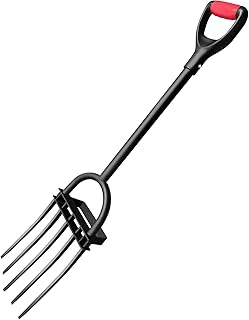
Ymachray Garden Fork Tiller & Cultivator, 5 Tine, 45 Inches
This five-tine fork offers a good balance of coverage and manageability for medium to large garden beds. At 45 inches tall, it suits most adult gardeners without excessive bending.
The five-tine design covers more ground per plunge than four-tine models, which speeds up bed prep. It's rated highly for durability and performs well in moderately compacted soil. The handle height and spacing make it comfortable for extended use.
This is a practical choice if you're working larger plots and want efficiency without sacrificing control. It handles both loam and clay reasonably well, though extremely compacted clay may require patience and multiple passes.
- ✅ Five tines for efficient coverage
- ✅ Good height for comfort
- ✅ Strong customer ratings
- ⚠️ May require extra effort in heavy clay
- ⚠️ Heavier than four-tine models

Berry&Bird Stainless Steel 4-Tine Garden Digging Fork
This four-tine stainless steel fork is lighter and easier to maneuver than five-tine models. Stainless steel resists rust, which matters if you garden in wet climates or leave tools outside occasionally.
Four tines offer better control and require less force to drive into the soil, making this a good match for smaller gardeners or anyone with back concerns. It's well-suited for moderate soil conditions and raised beds where precision matters more than speed.
The narrower footprint also makes it easier to work around established plants. If you're new to broadforking or have lighter soils, this tool offers a gentle introduction to no-till techniques without overwhelming your arms and shoulders.
- ✅ Stainless steel resists rust
- ✅ Lighter and easier to control
- ✅ Good for smaller gardeners
- ⚠️ Covers less ground per pass
- ⚠️ May bend in very hard clay
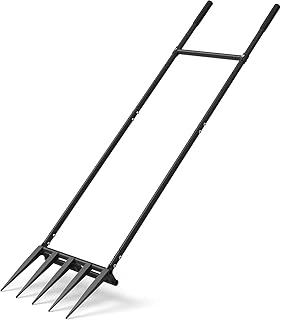
Black 5 Steel Tines 15-inch BroadFork Garden Tool with 55-inch Durable U-Shaped Handles
This broadfork features a wider 15-inch tine span and tall 55-inch U-shaped handles. The extra height reduces bending, which is a blessing if you're working long rows or have a sore back.
The U-shaped handle design offers better leverage when you pull back to lift the soil. Five tines provide solid coverage, and the steel construction handles tough soil conditions. This is a workhorse tool built for serious garden prep.
The taller handles may feel awkward at first if you're used to shorter forks, but many gardeners find the ergonomics worth the adjustment period. It's ideal for homesteaders with larger plots and challenging soil like clay or compacted subsoil.
- ✅ Extra-tall handles reduce bending
- ✅ U-shaped design improves leverage
- ✅ Wide tine span for efficiency
- ⚠️ May feel too tall for shorter users
- ⚠️ Higher price point
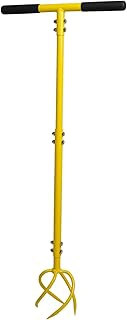
BARAYSTUS Garden Hand Claw Twist Tiller Cultivator Lawn Aerator
This hand claw tool isn't a traditional broadfork, but it's a budget-friendly option for small-scale aeration and spot cultivation. You twist it into the soil rather than stepping and lifting.
It works well for aerating around existing plants, loosening compacted spots in raised beds, and preparing small planting areas. The twisting motion is gentler on your back than repetitive broadfork plunges, though it's slower for large areas.
This is ideal if you're just starting out, working in containers or small raised beds, or need a supplemental tool for touch-up work. It won't replace a full-size broadfork for serious bed prep, but it's versatile and easy to store.
- ✅ Very affordable entry point
- ✅ Good for small spaces
- ✅ Easy to store and handle
- ⚠️ Not suitable for large beds
- ⚠️ Slower than traditional broadforks
What Is a Broadfork and Why Is It a No-Till Hero?
A broadfork is a manual garden tool with long steel tines attached to a horizontal bar with two handles. You step on the bar to drive the tines into the soil, then pull back on the handles to lift and loosen the earth.
Unlike a tiller, a broadfork doesn't flip or mix soil layers. It simply opens up air pockets and breaks through compaction. This preserves beneficial microbes, mycorrhizal fungi, and earthworm tunnels that healthy plants depend on.
Broadforks are ideal for preparing new beds, aerating clay soil, and refreshing garden rows between seasons. They're a cornerstone tool in regenerative and organic gardening because they improve drainage and root penetration without destroying soil life.
How We Chose the Best Broadforks for Your Homestead
We focused on tools that homesteaders actually use in real garden conditions. Each broadfork in this guide is currently available and rated highly by gardeners working with various soil types.
We looked for sturdy steel tines that can handle compacted earth and clay. Handle design matters too - comfortable grips and proper height reduce strain during repetitive work. We also considered value, since new homesteaders often work within tight budgets.
These aren't custom-forged heirlooms, but they're solid, functional soil aeration tools that will serve you well season after season. Whether you're loosening clay, aerating loam, or prepping raised beds, there's an option here that fits your needs.
Buyer's Guide: What to Look for When Choosing a Broadfork
Tine count matters. Five tines cover more ground but require more force. Four tines are easier to use but take more passes to cover the same area. Consider your strength and garden size.
Handle height should match your body. Taller handles reduce bending but may feel unwieldy if you're shorter. Most broadforks range from 45 to 55 inches. U-shaped handles often provide better leverage than straight ones.
Material quality affects longevity. Steel tines are standard, but stainless steel resists rust better. Check reviews for feedback on welds and handle durability. A good broadfork should last many seasons with basic care.
Match your soil type. Clay and compacted soil demand stronger construction. Looser loam works fine with lighter models. For very small spaces, a hand claw may suffice.
How to Use a Broadfork Safely and Effectively
Start with moist soil. Dry, hard earth is difficult and risks injury. Water your beds a day before broadforking if rain hasn't done it for you.
Position the broadfork perpendicular to the bed. Step onto the horizontal bar to drive the tines straight down. Use your body weight, not just leg strength. Pull the handles back toward you to lift and loosen the soil, then step backward and repeat.
Work in rows, overlapping slightly. Don't try to lift too far - small, frequent lifts are easier and safer than big heaves. Keep your back straight and let your legs do the work.
Wear sturdy boots with good traction. Clear the bed of large rocks and debris first. If you feel strain, stop and rest. Broadforking is rhythmic work, not a race.
Is a Broadfork the Right Tool for Your Garden?
A broadfork makes sense if you're committed to no-till gardening and want to build long-term soil health. It's an investment in your garden's future, not a quick fix.
If you have large plots, heavy clay, or compacted subsoil, a broadfork will become one of your most-used tools. For small raised beds with loose, fluffy soil, you may get by with a hand claw or simple digging fork.
Broadforks require physical effort, but they're far gentler on your body than swinging a pickaxe or wrestling a rototiller. They're quiet, need no fuel, and never compact your soil the way heavy machinery does.
Choose a broadfork that matches your soil, your strength, and your garden size. With the right tool, you'll prepare healthier beds and enjoy the satisfaction of working with your soil, not against it.