 Wrench & Leaf
Quickstart Tips
- Prevent ice dams: Clear gutters in fall, and keep attic insulation and ventilation in good shape so roof edges stay colder.
- Protect plumbing: Insulate exposed pipes and keep the home above 12°C when away to reduce frozen pipe risk.
- Keep heat reliable: Service the furnace or heat pump and swap filters regularly during peak heating season.
- Stay safe outside: Keep walkways clear, use ice melt responsibly, and make sure vents stay unobstructed after storms.
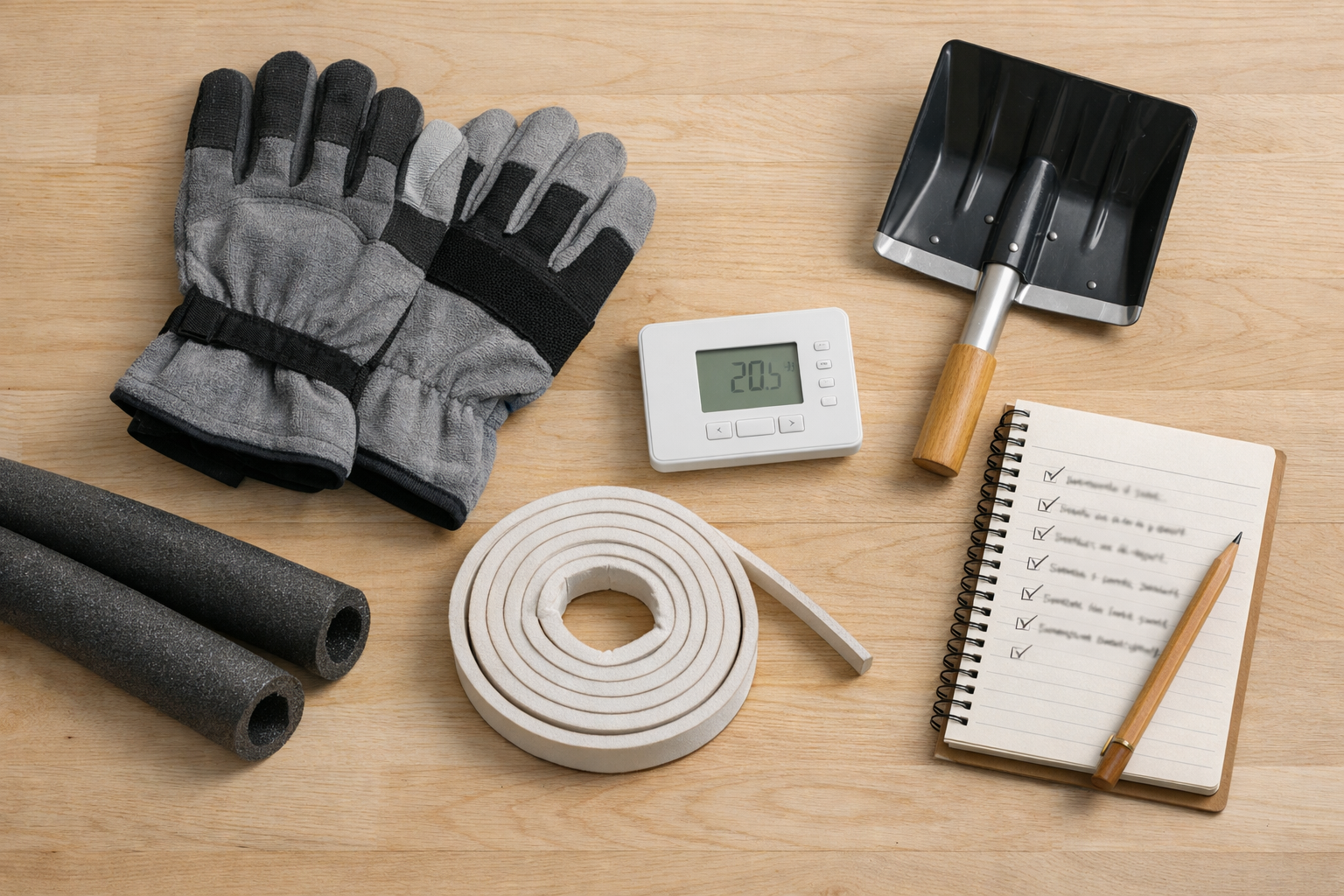
Winter Maintenance for Homes in Canada: A Practical Guide
Winter in Canada is long, cold, and unforgiving. Heavy snow, freezing rain, and temperature swings can damage homes fast if little issues get ignored. The goal of winter maintenance is not perfection - it is prevention. A few smart habits can protect your roof and plumbing, keep your heating system running reliably, and help you avoid expensive surprises when it is -20°C outside.
Understanding Canadian Winter Conditions
Canadian winters vary by region, but the common theme is stress. Roofs take on snow load. Gutters freeze. Wind drives moisture into small gaps. Plumbing in basements, crawlspaces, and garages becomes vulnerable. A good winter routine focuses on the weak points: water management, heat, and safety.
Exterior Winter Maintenance
Inspect the roof and watch for ice dams. Ice dams form when heat escapes into the attic, melts snow, then refreezes at the roof edge. If you see thick ice along the eaves or water staining on ceilings, take it seriously. The real fix is attic air sealing + insulation + ventilation, not just hacking ice off the roof.
Keep gutters and downspouts clear. Clean gutters before winter, and keep an eye on them during mid-winter thaws. If meltwater cannot drain, it finds weird ways to get into your home - behind fascia, into soffits, or down the wall to the foundation.
Seal drafts around doors and windows. If you can feel cold air, you are paying for it. Replace worn weatherstripping and touch up caulking where you see gaps. It is one of the cheapest comfort upgrades you can do.
Manage snow and ice on walkways. Shovel early and often. A small layer that gets compacted turns into a skating rink. Use ice melt sparingly and choose products that are appropriate for your surfaces (some melts can damage concrete or pavers over time).
Interior Winter Maintenance
Service the furnace or heat pump before peak winter. A tune up helps efficiency and reduces the chance of failure during cold snaps. If you are on forced air, keep extra filters on hand and swap them regularly (especially if you have pets).
Prevent frozen pipes before they start. Insulate exposed pipes in basements, crawlspaces, garages, and exterior walls. Keep indoor temperatures steady, even when you are away. If a cold snap is coming and you have known weak spots, opening a cabinet under a sink can help warm air circulate.
Check insulation and draft control. Attic insulation is one of the highest ROI improvements in a Canadian home. It reduces heat loss, improves comfort, and helps prevent ice dams. Draft control in older homes can also make rooms feel warmer without cranking the thermostat.
Safety-Focused Winter Maintenance
Test smoke and carbon monoxide detectors. Winter is peak season for CO risk because heating systems run more and homes are sealed tighter. Test detectors on every level and replace batteries if needed.
Keep vents and exhausts clear. After a storm, check that your dryer vent, furnace intake/exhaust, and any other exterior vents are not buried or blocked. This is one of those boring tasks that can prevent a genuinely dangerous situation.
Build a simple power outage kit. In many parts of Canada, winter storms mean outages. Keep a few flashlights, spare batteries, a basic first aid kit, and some water on hand. If you rely on a sump pump or have medical needs, a backup power plan is worth thinking through.
Energy Efficiency During Winter
Lower heating costs without making the house miserable. A programmable thermostat helps you run slightly cooler overnight or during work hours. Close curtains at night to reduce heat loss, and keep registers clear so airflow is not fighting furniture.
Use trusted resources for deeper upgrades. If you want to go beyond basics (insulation levels, air sealing, retrofit grants, etc.), Natural Resources Canada is a good starting point: nrcan.gc.ca.
A Simple Winter Maintenance Checklist
Exterior
- Clean gutters before winter and check during thaws.
- Look for signs of ice dams or roof trouble (ice buildup, ceiling stains).
- Seal drafts around doors and windows with weatherstripping or caulking.
- Shovel walkways early and use ice melt responsibly.
- Keep exterior vents and intakes clear after snowfalls.
Interior
- Service furnace or heat pump and keep spare filters.
- Insulate exposed pipes in basements, crawlspaces, and garages.
- Keep the home at least 18°C when home and never below 12°C when away.
- Check attic insulation and address major drafts.
Safety
- Test smoke and carbon monoxide alarms on every level.
- Prepare a basic outage kit (flashlights, batteries, water, first aid).
- Know where the main water shutoff is and make sure it turns freely.
FAQs
- When should winter maintenance begin in Canada? Ideally in early fall, before temperatures drop below freezing. But even mid-winter, you can still prevent issues by managing ice, drafts, and plumbing risks.
- How often should gutters be checked in winter? At least once before winter, and again during mid-winter thaws if you can safely do so.
- Are frozen pipes covered by insurance? Coverage varies. Preventive steps like insulation, steady indoor heat, and shutting off water when away reduce risk and usually make claims less likely.
- What temperature should I keep my home in winter? A common baseline is 18°C when home and never below 12°C when away (especially to protect plumbing).
- Is attic insulation really that important? Yes. It reduces heat loss, improves comfort, and helps prevent ice dam formation.
- Can winter maintenance really save money? Absolutely. The combo of energy savings and avoided repairs adds up quickly over a Canadian winter.
Final Thoughts
Winter does not have to be stressful. With a little planning and a simple routine, winter maintenance for homes in Canada becomes a reliable way to protect your investment, improve comfort, and reduce the chance of emergencies. Tackle a few items now, keep an eye on the house after storms, and you will get through winter with a lot less drama - the good kind of calm.