We may earn a commission when you buy through links on this page, at no extra cost to you. How this works.
Kings County Tools Long Garden Gloves, Thorn Proof Leather with Arm Guard, Large
Leather promises toughness, canvas offers breathability. But which material survives real garden work?
Use the matching tool first
Start with Raised Bed Soil Calculator if you want to narrow the fit before checking current offers.
Gardening gloves fail at the worst possible moments - mid-prune, mid-dig, or when your hands are deep in thorny bramble. For homesteaders who spend hours every week in the garden, a pair that falls apart after a few uses means wasted money and interrupted work. The canvas vs. leather debate comes down to one question: which material actually survives the conditions you throw at it?
Canvas gloves are lightweight and this product, but they absorb water and tear easily on rough surfaces. Leather gloves resist punctures and shed moisture better, yet they stiffen when wet and cost more upfront. Both materials wear out, but they fail in different ways depending on whether you're weeding vegetable beds, pruning roses, or hauling firewood.
Durability isn't just about how long a glove lasts on the shelf. It's about how well it holds up when you're kneeling in damp soil, gripping tools for hours, or brushing against thorns and sharp edges. A glove that excels in dry, light tasks may disintegrate during a wet spring or fail to protect your hands from rose canes.
This guide breaks down how canvas and leather perform in real garden conditions - comparing tear resistance, water tolerance, puncture protection, and lifespan. You'll see which material fits repetitive outdoor work and which situations call for one over the other, so you can choose gloves that won't quit before the season ends.
The Case for Leather Gloves: Toughness and Thorn Resistance
Leather gardening gloves excel where puncture and abrasion resistance matter most. Cowhide and split leather varieties offer thick, naturally tough material that blocks thorns, sharp branches, and rough bark far more effectively than woven fabric. The dense fiber structure resists tearing even after repeated contact with rose canes, this product vines, and pruning cuts, making leather the default choice for heavy trimming, brush clearing, and working around cacti or thorny shrubs.
Split leather - the fibrous inner layer - provides budget-friendly durability with good thickness, while full-grain cowhide delivers premium tear resistance and longer wear life. Both handle repetitive friction better than canvas when gripping rough tool handles or dragging pruned branches. The material's natural rigidity also means less bunching in the palm during gripping tasks, which reduces hand fatigue over extended sessions.
The tradeoff comes with moisture. Leather stiffens when soaked, losing flexibility until it dries, and repeated wet-dry cycles can lead to cracking if the gloves aren't conditioned. A thin coat of mink oil or leather conditioner every few weeks keeps the material supple and extends lifespan, but this maintenance step adds a layer of care that canvas doesn't require. Breathability also lags behind canvas, so leather gloves tend to trap more heat and moisture during summer work, which can lead to discomfort in humid climates or during long weeding sessions.
For gardeners who prune roses, clear brambles, or handle rough hardwood regularly, leather's puncture resistance and abrasion tolerance justify the conditioning routine and the trade-off in breathability.
The Case for Canvas Gloves: Breathability and Budget
Canvas gloves win on breathability and cost, making them a practical choice for gardeners who work long hours in warm weather or need several pairs on hand without stretching the budget. The woven cotton or cotton-blend construction allows air to move through the material, keeping hands cooler during tasks like weeding, planting, and raking. That same lightweight design reduces hand fatigue over extended sessions, and most canvas gloves can be tossed in the washing machine when they get caked in soil.
The tradeoff shows up in durability under abrasive or sharp conditions. Canvas fabric tears more easily when snagging on thorns, wire edges, or rough wood, and the fingertips and palm creases tend to wear through faster than leather equivalents. Seams can fray after repeated washing, and wet canvas loses some of its protective quality until it dries. For general planting, potting, and light pruning, canvas holds up well enough at a fraction of the price. For tasks involving rose bushes, this product canes, or rough lumber, the material simply doesn't offer the same resistance to puncture and abrasion that leather does.
Budget matters here: a decent pair of canvas gloves often costs one-third to one-half the price of comparable leather options, so replacing them twice a season may still come out cheaper than a single leather pair. If you need multiple gloves for different tasks or prefer washing after every use, canvas makes practical sense despite the shorter lifespan.
Head-to-Head: Durability in the Dirt
Put leather and canvas gloves through the same garden tasks, and the differences show up fast. Pruning thorny roses is the first real test: leather resists punctures from sharp stems and thorns, while canvas fabric can snag or let smaller thorns poke through the weave. After a season of regular rose care, leather gloves typically show minor scuffs, but canvas often develops small holes or frayed spots where thorns caught the fabric.
Hauling pruned branches and brush piles wears both materials, though not in the same way. Leather handles the abrasion from rough bark and dragging loads without tearing, developing a worn patina rather than structural damage. Canvas gloves fray at high-friction points - fingertips, palms, and seams - especially when dragging heavier limbs. The tight weave loosens over time, and once a thread breaks, the unraveling accelerates.
Digging with hand tools and trowels stresses the palm and finger joints. Leather flexes under pressure and resists tearing when you grip a shovel or fork handle. Canvas offers less protection against abrasion from wooden or metal handles, and the fabric can thin out where your grip is tightest. If you hit a sharp rock or root while digging, leather usually deflects the edge, while canvas may split.
Pulling weeds in damp soil introduces moisture into the comparison. Canvas breathes better and dries faster when wet, so your hands stay more comfortable during long weeding sessions. Leather takes longer to dry and can stiffen if it gets soaked repeatedly without proper care. However, wet canvas loses some tensile strength and can stretch out of shape, while leather maintains its structure even when damp.
Across these common scenarios, leather consistently outlasts canvas in abrasion resistance and puncture protection. Canvas gloves might last one or two seasons with moderate use, while well-maintained leather gloves often push past three or four seasons handling the same tasks. Leather wins on longevity, but the tradeoff is heat retention and slower drying time when conditions get wet or humid.
What to Consider Beyond Just Durability
- Dexterity: Canvas flexes easier for seed planting and delicate work; leather stiffens over time
- Cost: Canvas gloves often cost half as much, making replacement less painful
- Care: Leather needs conditioning to prevent cracking; canvas can go in the wash
- Fit and sizing: Leather stretches slightly with use; canvas stays truer to original size
- Climate: Leather holds heat in summer and hardens when wet; canvas breathes better but offers less impact protection
The Verdict: Which Glove is Best for Your Homestead Tasks?
Choosing between canvas and leather gardening gloves comes down to matching the material to your most frequent tasks. Leather gloves are the clear choice for heavy pruning, working around thorns and brambles, and any job where hand protection matters more than fine motor skills. They outlast canvas when handling rough, abrasive materials and provide better puncture resistance against sharp branches or tools. If you spend most of your time clearing brush, shaping roses, or working with rough lumber, leather will deliver the durability and protection you need.
Canvas gloves excel in situations where breathability and dexterity matter. They allow more airflow during warm-weather planting, weeding, and potting tasks, and their lighter weight makes it easier to handle seeds, transplants, and delicate stems. For general garden maintenance, soil work, and lighter chores, canvas offers a better balance of comfort and cost. They wear out faster than leather, but at a lower price point, replacing them seasonally fits most homestead budgets.
If your budget and storage space allow, keeping both types on hand gives you the flexibility to match gloves to the task. Reach for leather when you need armor against thorns and rough surfaces, and switch to canvas when comfort and grip precision matter more. That approach lets you extend the life of each pair by using them only where they perform best, rather than forcing one material to cover every job poorly.
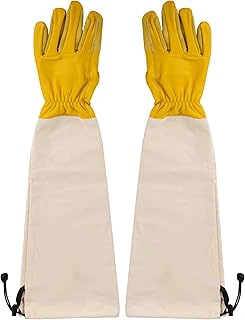
Kings County Tools Long Garden Gloves, Thorn Proof Leather with Arm Guard, Large
For gardeners who regularly work around roses, blackberries, and other thorny plants, the Kings County Tools Long Garden Gloves offer full-grain leather construction paired with an extended arm guard. The design prioritizes puncture resistance and forearm coverage, addressing one of the most common pain points when pruning or managing brambles.
At $21, these gloves sit at the upper end of basic leather options, but the thorn-proof build and arm guard justify the cost if you're handling aggressive plants weekly. The leather material will develop character as it breaks in, and the extended cuff stays put during overhead work without sliding down your forearm.
The 5.0 rating reflects strong satisfaction from users who need serious thorn protection rather than general-purpose flexibility. Leather gloves in this category trade dexterity for durability - you won't thread drip lines with these on, but you will prune a rose hedge without punctures. The arm guard extends protection several inches above the wrist, which matters when reaching into dense growth.
These gloves make the most sense if thorny plants are a regular part of your garden routine. For occasional thorn encounters, a lighter glove may suffice, but if you're maintaining established roses or managing wild blackberries, the puncture resistance and forearm coverage become essential rather than optional.
- ✅ Full-grain leather construction for thorn resistance
- ✅ Extended arm guard protects forearms during pruning
- ✅ Stays secure during overhead work
- ⚠️ Less dexterous than lighter glove options
- ⚠️ Higher price point at $21
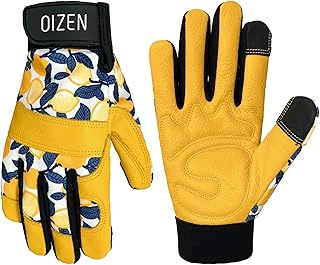
Cowhide Leather Thorn Proof & Puncture Resistant Gardening Gloves, Touchscreen, Medium
The Cowhide Leather Thorn Proof & Puncture Resistant Gardening Gloves combine traditional leather construction with touchscreen-compatible fingertips, making them practical for gardeners who need quick access to their phone or tablet between tasks. Priced at $13.99 with a 4.5 rating, they sit in the mid-range for leather garden gloves while offering features typically found in more expensive models.
Cowhide leather provides a sturdy barrier against thorns and sharp stems without the stiffness that sometimes comes with thicker work gloves. The puncture-resistant design handles rose bushes, Cowhide Leather Thorn Proof & Puncture Resistant Gardening Gloves, Touchscreen, Medium canes, and other spiny plants while maintaining enough flexibility for seed planting and transplanting. Unlike heavyweight leather gloves that take weeks to break in, these offer a balance between protection and immediate usability.
The touchscreen capability means you can check planting schedules, answer calls, or snap garden photos without pulling gloves off repeatedly - a small convenience that adds up during long gardening sessions. The medium size fits snugly enough to maintain dexterity while providing coverage past the wrist where scratches often happen when reaching into dense foliage.
Leather gloves in this price range typically show wear at stress points after a season of regular use, so inspect seams and fingertips periodically. They perform best when allowed to dry fully between uses rather than being stored damp, which speeds deterioration. A practical choice for everyday garden tasks where you need protection without sacrificing convenience.
- ✅ Touchscreen-compatible fingertips for phone access
- ✅ Puncture-resistant cowhide handles thorny plants
- ✅ Mid-range price at $13.99
- ✅ Flexible enough for detailed work
- ⚠️ Requires proper drying between uses
- ⚠️ Seams may wear with heavy seasonal use